

Travel Advisory: Storm Chandra Impact on Scotland Attention travelers: Severe weather conditions resulting from Storm Chandra are anticipated to cause significant travel disruptions across Scotland. Please remain informed and exercise caution when planning your journeys. Stay updated on local weather reports and transportation alerts to ensure a safe travel experience.
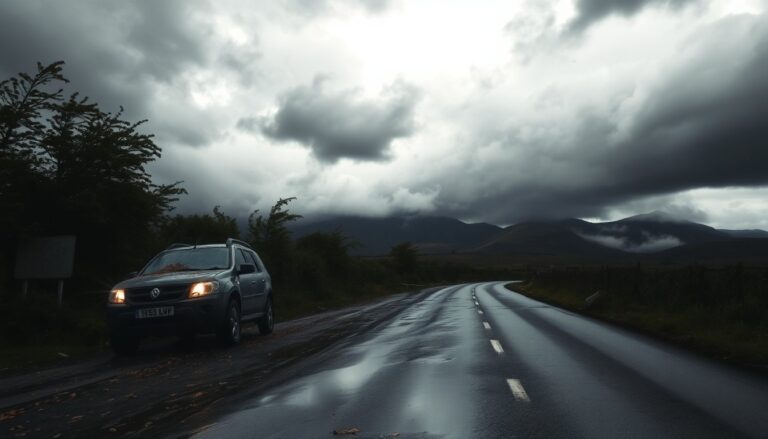
Scotland is grappling with severe weather conditions asStorm Chandrabrings heavy rain, strong winds, and cold temperatures to the region. TheMet Officehas issued multiple weather warnings, urging residents and travelers to remain vigilant and take necessary safety precautions. The combination of rain and cold air is expected to create hazardous conditions, particularly in the northern areas of the country.
Impact of Storm Chandra on travel
As Storm Chandra progresses, numerous roads and railways have been temporarily closed, leading to significant travel disruptions. Ayellow weather warningfor ice is currently in effect, indicating that icy conditions could develop on untreated roads and surfaces, making travel hazardous.
The Met Office has warned of the risk ofslips and fallsdue to patchy ice forming overnight in various regions of Scotland.
Rain and snow forecasts
The week began with tumultuous weather, as heavy rain moved northward, colliding with cold air that caused significant snowfall across the hills of northern England and Scotland.
Areas at higher elevations may see snow accumulation between10 to 20 centimeters, complicating travel conditions. As the storm continues its path, eastern regions, particularly in Northern Ireland, are facing gusts of wind reaching up to75 mph, which could result in further disruptions.
Forecasts for the upcoming days
The weather is set to remain unstable as Storm Chandra continues to impact many regions across the UK. The initial days of the week are likely to bring significant rainfall, especially in areas such asWales, Northern Ireland,andsouthwest England. These regions are already experiencing saturated ground conditions from previous rainfall.
Forecasts indicate that additional rainfall could accumulate to between60 to 80 mm, heightening the risk of flooding in already vulnerable areas. Residents should remain vigilant and prepare for potential disruptions as conditions evolve.
Temperature fluctuations
Temperatures are generally near average for this time of year. However, residents in the northern regions may experience slightly cooler conditions. The ongoing combination of rain, snow, and strong winds will create a chill, making it feel colder than the actual temperatures. Even in the southwest, where temperatures may reach double digits, gusty winds and frequent showers will contribute to an
Looking ahead: what to expect
As the week progresses, the influence of Storm Chandra will begin to diminish. Nonetheless, a new front is expected to bring additional rain and snow. By Thursday, colder air is projected to push southward, increasing the likelihood of sleet and snow, particularly over hilly terrains. This shift could significantly impact northern regions, with forecasts indicating possible snow accumulation.
Continuing weather warnings
TheMet Officehas issued a series of warnings across multiple regions, including a yellow warning for rain affecting large parts of the UK. As the week comes to a close, unsettled conditions persist, with another low-pressure system expected to introduce further rain and strong winds. Areas such asNorthern Irelandand eastern Scotland face an elevated risk of heavy rainfall. This situation, paired with already saturated ground, raises concerns about potential flooding.
Travelers should stay informed about weather conditions and consider adjusting their plans if needed. It is essential to monitor road conditions and prepare for possible delays, particularly in regions impacted by the storm’s aftermath.
As Scotland navigates the challenges posed by Storm Chandra, residents and travelers must remain alert and ready for rapidly changing weather conditions. Preparedness is key in mitigating the impact of the ongoing adverse weather.
