

Explore the grim realities faced by political prisoners in Venezuela as survivors share their harrowing tales.
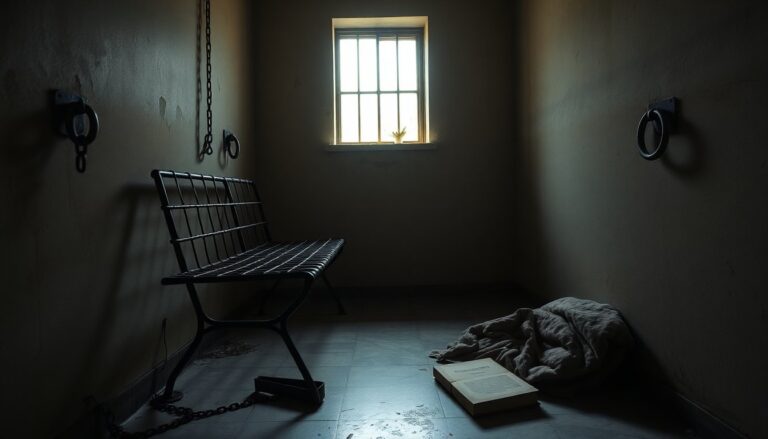
The situation in Venezuela remains dire as political repression continues under Nicolás Maduro’s regime. Recently, a number of political prisoners were released, shedding light on theinhumane conditionsthat many detainees have faced inMaduro’s torture prisons. These accounts serve as a stark reminder of the ongoing human rights abuses within the country.
Despite some prisoners being freed, former detainees have issued warnings that countless others are still trapped in the oppressive depths of these facilities. Their stories highlight not just the physical torment endured but also the psychological scars left behind.
The horrors of incarceration
Survivors of these prisons have described their experiences in harrowing detail. One former detainee spoke of an atmosphere filled withfear and violence, where guards took pleasure in inflicting pain. “They enjoyed every act they inflicted,” he remarked, illustrating thesadistic natureof the prison staff.
This chilling statement captures the essence of the suffering endured by many.
Physical and psychological torture
Many prisoners reported being subjected to severe physical abuse, including beatings and other forms oftorture. In addition to the physical pain, psychological torment was rampant. Detainees often experienced isolation, which exacerbated their mental anguish. The combination of these elements creates a devastating cycle of trauma that is difficult to escape.
Another survivor described the living conditions as deplorable. “We were crammed into small cells, often with no ventilation and inadequate food,” he explained. The lack of basic necessities further compounded the suffering, making every day an exercise in survival.
A call for justice
With the international community’s attention now focused on Venezuela, the plight of those still imprisoned must not be forgotten. Former detainees have urged human rights organizations and governments worldwide to take action. They emphasize that the abuse they endured is not merely a thing of the past; rather, it continues to this day for many.
Continued advocacy for political prisoners
The release of some prisoners has brought a glimmer of hope, yet it is overshadowed by the knowledge that hundreds remain in the shadows of thesetorture prisons. Advocacy groups are working tirelessly to raise awareness and push for therelease of all political prisoners. Their efforts are crucial in ensuring that the stories of these individuals do not fade into obscurity.
As former detainees share their experiences, they become voices of resilience, drawing attention to the ongoing struggle for human rights in Venezuela. Their courage in recounting such traumatic events serves as a reminder to the world that the fight for justice is far from over.
Conclusion: The path forward
The accounts from those who have suffered in Maduro’s prisons are not just personal stories; they are urgent calls to action. The international community must continue to pressure the Venezuelan government to uphold human rights and end thesystematic tortureof political prisoners. It is imperative that we stand in solidarity with those who continue to fight for freedom and justice.
The harrowing experiences shared by survivors illuminate the ongoing challenges facing many in Venezuela. As long as political repression persists, the voices of those who suffer must be amplified, ensuring that their stories contribute to a broader movement for change.
