

Ireland's Rugby Team Faces Injury Challenges Ahead of Six Nations As Ireland's rugby team gears up for the Six Nations, they are currently confronted with a wave of significant injuries affecting key players. This situation poses a considerable challenge for the squad's preparation and strategy. The coaching staff is actively working to assess the extent of these injuries and make necessary adjustments to the lineup, ensuring that the team remains competitive in the prestigious tournament....
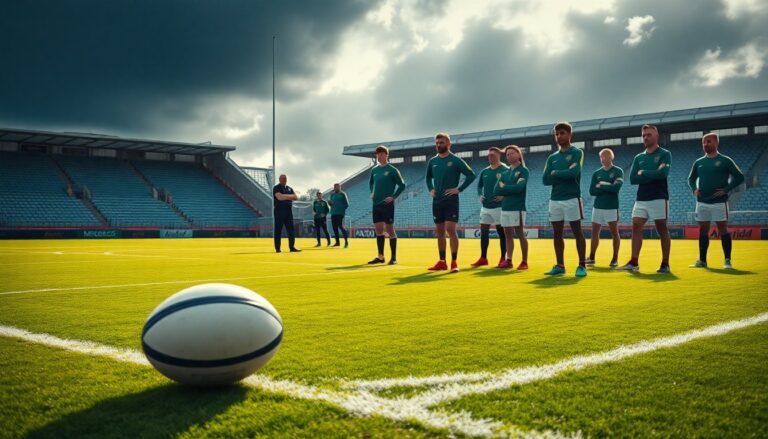
The excitement surrounding the Six Nations is palpable; however, Ireland’s buildup has been marred by injuries that have left the squad in disarray. Key players are sidelined, creating challenges across all positions. This situation signifies more than just missing names; it represents a significant reshaping of team dynamics that could impact their performance in the championship.
In the back three, the situation is dire. Notably, Hugo Keenan, a dependable full-back, is out, along with Mack Hansen and several others including Calvin Nash, Jimmy O’Brien, Shayne Bolton, and Jordan Larmour. Each absence denotes a loss of experience, creativity, and strategic depth, essential for Ireland’s game plan.
The team’s counterattacking ability and aerial security have been severely compromised.
Impact on midfield and forward pack
Transitioning to the midfield, the situation remains troubling. The absence of Bundee Aki and Robbie Henshaw is particularly concerning. These players have been instrumental in defense and have significantly contributed to the team’s attacking strategies.
Their removal is not merely about filling their spots; it involves replacing a complex system based on trust and power dynamics they have cultivated over time.
Forward pack vulnerabilities
The forward pack also faces significant challenges. The loosehead prop position is hit hard with Andrew Porter, Paddy McCarthy, and Jack Boyle all unavailable. Porter’s role in stabilizing the scrum and setting the physical tone for matches is critical, especially against formidable opponents like France. Losing such a pivotal player shortly before crucial matches poses a serious threat to Ireland’s physicality.
In the back five of the scrum, Ryan Baird and Tom Ahern add to the growing list of absentees, depriving the team of essential agility and lineout options. As Ireland prepares to face the physical challenge presented by France, these losses will be acutely felt.
Shifting odds and public sentiment
The mounting injury toll has drawn the attention of the betting markets. Initially, Ireland was positioned at +5 for their upcoming match against France, but as developments unfolded, that line has shifted to +9 and now stands at +13. This dramatic change reflects a growing consensus that Ireland may struggle to match France’s depth and physical prowess, particularly in Paris.
Uncertain future with additional doubts
Complicating matters further, players such as Tadhg Furlong, Robert Baloucoune, and Jamie Osborne remain uncertain regarding their fitness. Each of these players brings unique strengths to the squad, and their absence would exacerbate the challenges Ireland faces. The potential to miss multiple key players shrinks the margin for error and raises the stakes significantly.
While it’s crucial to maintain composure in such circumstances, the reality is clear: Ireland is grappling with a critical shortage of players in vital areas of the pitch. The squad’s depth will be thoroughly tested, and young, inexperienced players may find themselves thrust into the spotlight, needing to adapt quickly to the pressures of international rugby.
The road ahead
As the countdown to the Six Nations continues, the team must confront their current predicament. The challenge extends beyond merely filling gaps in the lineup; it involves maintaining team cohesion and strategic integrity. The upcoming match against France will test not only the players on the field but also the resilience of the coaching staff and their ability to adapt. In a tournament where every match carries significant implications, Ireland’s focus must shift from building momentum to enduring the challenges ahead.
