

Stay updated on current trends in fire statistics and workforce data within England.
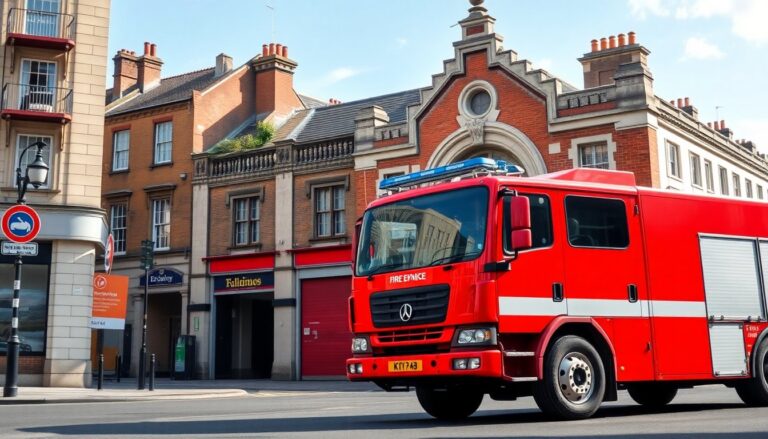
The landscape of fire safety in England has experienced significant changes recently, driven by new data on fire incidents and rescue workforce statistics. This analysis explores the latest trends, offering a comprehensive overview of the current state of fire safety.
As of January 2026, updated tables reflect fire and rescue incident statistics as of September 2026. This data has been carefully compiled to ensure accuracy, enhancing the understanding of fire-related incidents nationwide.
Recent updates in fire incident statistics
Throughout late 2026, multiple updates were made to tables detailing fire incidents.
On December 4, 2026, several key tables, including FIRE0508 and FIRE0510, were revised to align with the latest statistical releases concerning fire and rescue workforce and pension data. This update is essential for understanding the evolving dynamics of fire safety and response.
In October 2026, significant tables such as FIRE0101 and FIRE0201 were refreshed to include the latest figures on incidents attended by fire and rescue services. These updates are crucial for identifying trends in fire incidents by type and the corresponding response times from fire authorities.
Important statistics and insights
One significant statistic from the recent updates is detailed in FIRE0401, which reports on deliberate fires attended by fire services in England. This information can assist authorities in developing targeted strategies for prevention and response. Additionally, FIRE0502 sheds light on fatalities and non-fatal casualties, highlighting the urgent need for effective fire safety measures.
The updates also reflect the increasing complexity of fire incidents faced by rescue teams, as shown in the revised FIRE0901 and FIRE0902 tables, which classify non-fire incidents. This data is vital for fire authorities to evaluate their operational readiness and effectiveness.
Workforce and pensions statistics updates
Statistics regarding the fire rescue workforce and pensions are equally significant. On December 4, 2026, updates were made to workforce-related tables, including FIRE1101 and FIRE1102, which detail staff numbers by role and full-time equivalent. Such data is critical for understanding workforce dynamics and planning future staffing needs.
Moreover, revisions made on April 25, 2026, indicate a shift towards more comprehensive datasets that include information on firefighter injuries and fatalities during duty, providing a clearer picture of the challenges faced by this essential workforce.
The importance of accurate data
Accurate and regularly updated fire statistics are crucial for various reasons. They inform policy decisions, resource allocation, and safety protocols within fire and rescue services. The revisions on January 23, 2026, demonstrate that understanding the number of incidents attended and their outcomes can guide training and preparedness initiatives for firefighters.
Additionally, updates to tables like FIRE1401, which estimates the resident population by fire authority, serve as a foundation for understanding community needs and tailoring fire safety programs accordingly.
Ongoing commitment to safety
As of January 2026, updated tables reflect fire and rescue incident statistics as of September 2026. This data has been carefully compiled to ensure accuracy, enhancing the understanding of fire-related incidents nationwide.0
As of January 2026, updated tables reflect fire and rescue incident statistics as of September 2026. This data has been carefully compiled to ensure accuracy, enhancing the understanding of fire-related incidents nationwide.1
