

The hospitality sector in Belfast is currently facing substantial challenges due to escalating costs and rising rates, jeopardizing its sustainability.
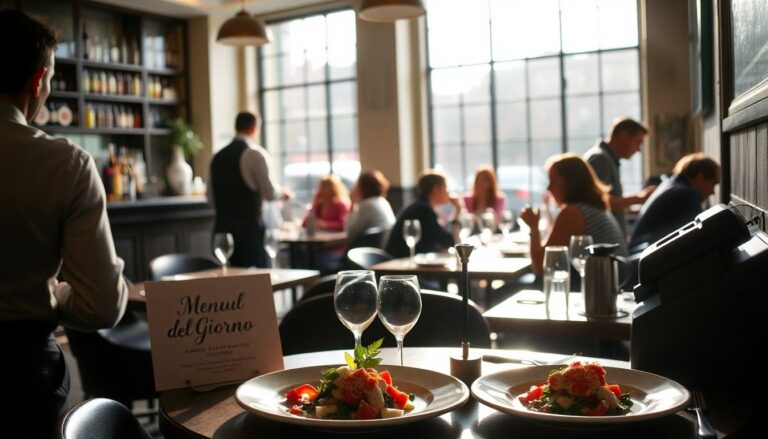
The vibrant hospitality scene in Belfast has often been viewed as a success story. However, behind the bustling atmosphere lies a stark reality. Many restaurateurs and bar owners are grappling with challenges that threaten their very existence. The narrative surrounding the industry has shifted from one of growth to a precarious state, as rising costs and increased business rates cast a shadow over the future.
Initially, one might assume that a packed venue equates to a thriving business. Yet, the reality is more complex. During a conversation with a couple running a popular east Belfast eatery, I learned that their success was not as glamorous as it appeared.
They were washing their own tablecloths and managing social media, all in an effort to cut costs. This reflects a common theme among restaurateurs who face tighter profit margins than most customers realize.
The reality of rising costs
In recent years, Belfast has been dubbed a city inhospitality renaissance, with chefs transforming overlooked areas into culinary hotspots.
Yet, this image of prosperity is increasingly challenged by economic pressures. Rising costs for suppliers, coupled with higher energy bills and wage demands, have intensified financial strain. Recent increases in business rates have only exacerbated the situation, causing alarm throughout the sector.
The impact of business rates on hospitality
Recently, a hospitality group in Belfast expressed their frustrations by showcasing a £17.20 pint, humorously branded with the name of Finance Minister John O’Dowd. This image served as a clear indication of their discontent regarding the anticipated 135% hike in business rates. Such dramatic increases could lead to significant job losses and push the industry into crisis.
The method used by the Land & Property Services (LPS) to calculate the rateable value of hospitality businesses relies on the concept offair maintainable trade, which estimates annual turnover rather than actual profitability. This approach has drawn criticism, as rising revenues may not translate into financial stability when costs are spiraling upwards.
Community anchors or luxury add-ons?
Pubs and restaurants are far more than mere luxury establishments; they are vital community hubs and significant employers. When prices rise, customers tend to hesitate, impacting midweek sales as patrons reconsider their spending habits. The ripple effects of such hesitations can be felt across many venues, leading to an
The fragile state of confidence
Many hospitality operators in Northern Ireland are facing a precarious situation. While there is a general understanding that rates must exist, the current increases threaten to stifle the very industry that has demonstrated resilience and innovation. Thehospitality sectorrepresents the fourth largest private employer in the region, playing an essential role in economic growth and community life.
Colin Neill, Chief Executive of Hospitality Ulster, has voiced the collective frustration, highlighting that increases of over 100%, 200%, or even 300% are simply unsustainable. The industry is at a critical juncture, with the potential for widespread closures if current trends continue.
What the future holds
With the Finance Minister announcing a review of the business rates revaluation process, many in the industry are cautiously optimistic. However, the fragility of confidence remains a significant concern. As the hospitality sector continues to navigate these turbulent waters, stakeholders must recognize the importance of supporting a foundation that has thrived through risk-taking and innovation.
The revival of Belfast’s hospitality scene was not merely a stroke of luck; it stemmed from the determination of those willing to invest in their communities. If we wish to preserve this vital aspect of our economy, it is crucial to ensure that policies do not inadvertently hinder the very growth we seek to support.
