

Stay Updated on the Nipah Virus Outbreak: Essential Safety Precautions Monitor ongoing developments regarding the Nipah virus outbreak to stay informed. Understand and implement critical safety measures to protect yourself and others. Stay aware of health advisories from trusted sources such as the World Health Organization (WHO) and local health authorities. Educate yourself on symptoms and transmission methods of the Nipah virus for early detection and response. Practice hygiene and...
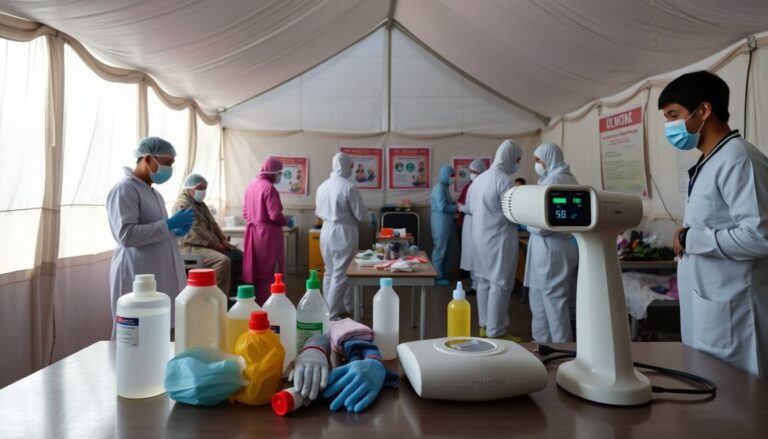
The recent outbreak of the Nipah virus has raised significant concerns among health officials globally. With a mortality rate ranging from 40% to 75%, the virus has prompted countries to enhance screening and health measures, especially for travelers arriving from affected regions.
This article delves into the details of the outbreak in India and the international response to this serious health threat.
Current situation of the Nipah virus outbreak in India
Indian authorities have reported cases of the Nipah virus in West Bengal, with health officials confirming two recent cases.
The Indian Ministry of Health and Family Welfare announced that the situation is under control and that all necessary public health measures are in place. They have identified and monitored 196 contacts related to these cases, all of whom have tested negative for the virus.
This proactive approach aims to mitigate the spread and prevent panic within the community.
Regional health measures and international response
In response to the outbreak, several countries in Asia are implementing heightened health screenings for travelers coming from India. Nations such as Thailand, Singapore, and Malaysia have initiated temperature checks and health declarations at airports to ensure early detection of the virus. These measures are crucial in preventing the international spread of the Nipah virus.
Understanding the Nipah virus
The Nipah virus is classified as a zoonotic disease, meaning it is transmitted from animals to humans, primarily through fruit bats. The virus can also be spread through contact with infected pigs or directly between humans. The World Health Organization emphasizes that consuming fruit contaminated with bat saliva or urine is a common source of infection. Understanding how the virus spreads is essential for effective prevention.
Symptoms and treatment options
Individuals infected with the Nipah virus may experience a sudden onset of flu-like symptoms, including fever, headache, and respiratory issues. In severe cases, the virus can lead to encephalitis, which is an inflammation of the brain, significantly increasing the risk of death. Unfortunately, there are currently no specific treatments available, and supportive care remains the only option for managing complications.
While recovery is possible, some survivors may face long-term neurological effects, including persistent seizures and cognitive changes. This highlights the importance of public health measures aimed at early detection and containment.
Global health implications and precautions
The Nipah virus outbreak serves as a reminder of the interconnectedness of global health. As countries implement screening protocols, it is vital for travelers to be aware of the risks associated with visiting regions where the virus is present. The World Health Organization advises avoiding contact with bats and consuming only properly washed and peeled fruits to minimize the risk of infection.
Health authorities across the globe are on high alert, particularly neighboring countries that share borders with India. For instance, Nepal has heightened its surveillance measures at border points, while China is reinforcing its disease prevention protocols. These collective efforts are aimed at preventing potential outbreaks from spreading beyond their point of origin.
The recent Nipah virus outbreak in India has prompted urgent responses from health officials both locally and internationally. Understanding the virus, its symptoms, and the necessary precautions can significantly mitigate risks. As the situation continues to evolve, staying informed and vigilant is essential for public health safety.
