

Radiator Maintenance Tips for a Cozy Winter Home 1. Inspect Radiators Regularly Ensure your radiators are functioning correctly by checking for any leaks or rust. Regular inspections can prevent costly repairs and keep your home warm. 2. Bleed Your Radiators Remove trapped air by bleeding your radiators. This simple process improves efficiency and ensures even heating throughout your space. 3. Clean Radiators Thoroughly Dust and debris can hinder radiator performance. Regularly clean the...
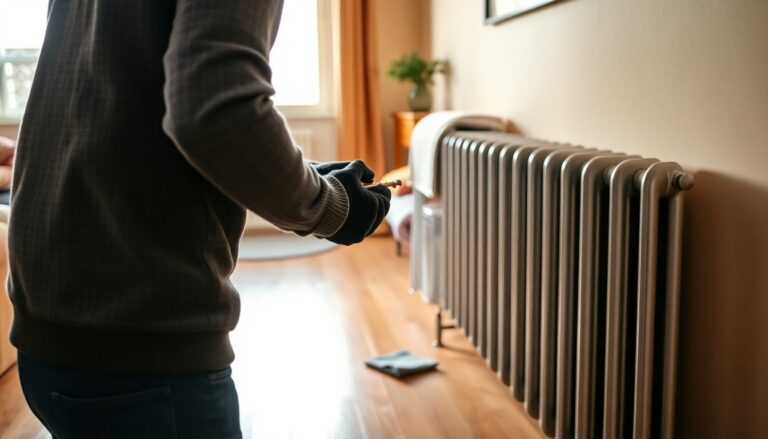
As winter approaches, it is essential to ensure your home’s heating system operates effectively. Neglecting basic maintenance can result in uncomfortable temperatures and higher energy bills. A critical task for radiator maintenance is bleeding, a straightforward yet vital procedure that homeowners should perform regularly during colder months.
The Office of Gas and Electricity Markets (Ofgem) emphasizes the importance of this task through social media, urging homeowners to check their radiators and bleed them as needed. Bleeding a radiator releases trapped air, promoting better flow of hot water and ensuring consistent warmth throughout your home.
Understanding radiator bleeding
Consumer experts at Which? indicate that radiators typically require bleeding every few years. Trapped air bubbles often accumulate at the top of the radiator when the heating is on. To check if your radiator needs bleeding, place your hand on its surface; if the top feels significantly cooler than the bottom, it is time to take action.
How to check your radiators
To confirm your heating system operates efficiently, first turn on your heating and allow it to warm up. Then, inspect each radiator:
- If the top is hot and the bottom is cold, it does not need bleeding.
- If the bottom is hot and the top is cold, prepare to bleed it.
For those without a dedicated radiator bleed key, many modern radiators can be bled using a flat-head screwdriver or even an Allen key. Remember to turn off your heating and allow the radiators to cool down before proceeding.
Steps to bleed your radiator
Bleeding your radiator is a simple process you can manage on your own. Here is a step-by-step guide:
- Turn off your heatingand let the radiator cool for 20-30 minutes to avoid burns.
- Locate the bleed valve, usually found at the top on one side of the radiator. If bleeding multiple radiators, start with the one furthest from your boiler.
- Place a containerunderneath the valve to catch any water that may escape, and hold a cloth or towel beneath it to prevent spills.
- Insert the bleed keyand slowly turn the valve counterclockwise until you hear a hissing sound, indicating trapped air is escaping. Open it only half a turn to control the water flow.
- Close the valvewhen water begins to trickle out, signaling that all trapped air has been released. Turn the key clockwise to secure it.
- Check your boiler’s pressureafter bleeding several radiators, as it may drop. Ensure the pressure is between 1.0 and 2.0 bar, adjusting as necessary according to your manufacturer’s guidelines.
- Turn the heating back onand allow the radiators to warm up, checking for consistent heat distribution.
Regular maintenance for efficiency
British Gas recommends bleeding radiators regularly, especially after extended periods of inactivity. Bleeding your radiators not only helps maintain the efficiency of your heating system but also ensures your home remains cozy while keeping energy costs manageable.
If multiple radiators fail to heat properly, it may indicate a broader issue with your heating system’s balance, necessitating professional assistance. In such cases, contacting a plumber or heating engineer is advisable.
Maintaining your heating system through simple tasks like radiator bleeding can significantly enhance your home’s comfort during winter months. By ensuring hot water circulates effectively, you not only enjoy a warmer living space but also optimize energy usage, leading to lower bills. Do not overlook this essential maintenance task; take the time to check and bleed your radiators, ensuring a warm and welcoming home during the colder seasons.
