

Glenavon and Cliftonville Face Off: On-Field Rivalry Amidst Major Off-Field Transformations
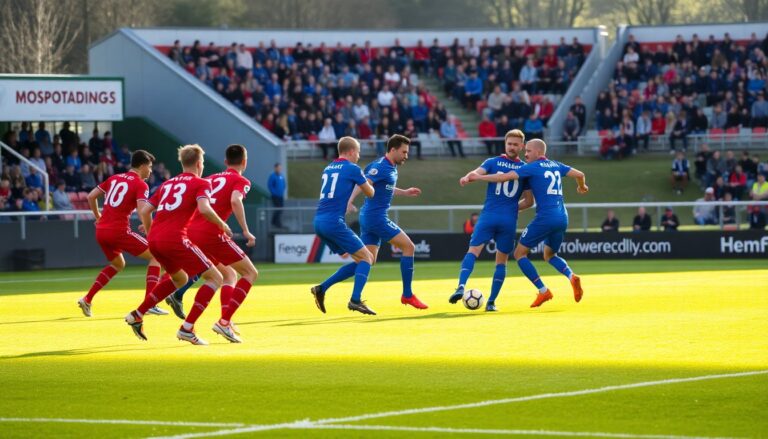
This Saturday, theSports Direct Premiershipfeatures an intriguing match betweenGlenavonandCliftonvilleatMourneview Park. Both teams are facing uncertainties regarding their futures. Glenavon currently sits at the bottom of the table, while Cliftonville holds the sixth position. However, the focus extends beyond the match itself to the evolving dynamics surrounding each club.
Recent developments have highlighted contrasting approaches to investment and ownership changes at both clubs. These shifts are impacting not only their financial health but also their long-term viability in theIrish League.
Ownership changes in focus
Significant developments have emerged over the past week.
Glenavon announced a partnership withFootball International Limited(FIL), involving a staged investment plan expected to last five years. This agreement is pending approval from shareholders and regulatory bodies, but it represents a hopeful direction for the club.
In stark contrast, theToronto Investment Group(TIG), which sought to purchase Cliftonville, has withdrawn its offer due to internal strife within the club.
This withdrawal came despite initial approval from the club’s members in April of the previous year, leaving many supporters disheartened.
Differences in investment strategies
The investment strategies proposed by FIL and TIG reveal the divergent paths these clubs are taking. Glenavon’s gradual investment approach allows the club to maintain control while assessing changes as they unfold, potentially reducing the risk of alienating existing supporters wary of sudden shifts.
Conversely, TIG’s proposal for an immediate cash injection of £2.5 million, with further investments projected to reach £10 million over a decade, represented a more aggressive strategy. Such funding could have accelerated Cliftonville’s transition towards full-time football, enhancing facilities and However, a complete takeover can be unsettling for a club steeped in tradition, leading to the internal divisions witnessed.
Trust and skepticism among fans
At the core of these ownership shifts lies the critical issue oftrust. Football fans are protective of their clubs, often viewing external investment with a mix of hope and skepticism. While Cliftonville supporters were asked to place their faith in the TIG proposal, the fallout from its collapse has left lingering concerns about the club’s direction.
Conversely, Glenavon’s gradual approach allows time to build trust with its fanbase. This slow integration could foster a more positive outlook among supporters who may be apprehensive about relinquishing control to outside investors.
Lessons from other leagues
The football landscape is continually evolving, as seen in various clubs in theLeague of Irelandthat have successfully implemented different investment models. The outcomes of these approaches illustrate that while there are no guarantees of success, the right partnership can lead to significant improvements on and off the pitch.
As outside investment becomes increasingly common in leagues like the Irish League, the disparity between well-funded clubs and those struggling financially is becoming more pronounced. Teams such asLarne,Glentoran, andColerainehave benefitted from outside funding, while other clubs, including reigning championsLinfield, are actively seeking additional financial backing to remain competitive.
The road ahead
Recent developments have highlighted contrasting approaches to investment and ownership changes at both clubs. These shifts are impacting not only their financial health but also their long-term viability in theIrish League.0
Recent developments have highlighted contrasting approaches to investment and ownership changes at both clubs. These shifts are impacting not only their financial health but also their long-term viability in theIrish League.1
