

Understanding Licenses and Regulations for Bird Gatherings in Great Britain: Ensuring Compliance and Safety Comprehensive Knowledge of Licensing Requirements: Familiarize yourself with the specific licenses required for hosting bird gatherings in Great Britain, ensuring adherence to local and national regulations. Regulatory Compliance Expertise: Stay informed about the latest regulations governing bird gatherings, including health and safety standards, to promote a safe environment for all...
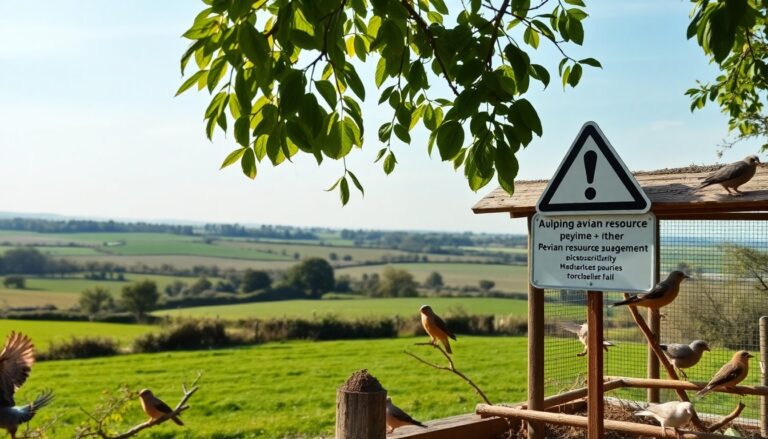
In Great Britain, which includes England, Scotland, and Wales, the government has established a robust avian influenza prevention zone (AIPZ). This initiative is vital for safeguarding poultry and other captive birds from the spread of bird flu. Adhering to stringent biosecurity and hygiene protocols is not merely a recommendation; it is a legal requirement designed to mitigate health risks associated with avian diseases.
Understanding your current zone status is essential, as you may be situated within a specific disease control zone or an area that falls under the AIPZ, where housing your birds becomes mandatory. Grasping these classifications will help ensure compliance with the relevant regulations.
Defining bird gatherings and their regulations
A bird gathering refers to an event where various poultry or other captive birds are assembled. This encompasses activities such as bird fairs, markets, shows, sales, exhibitions, and even specific locations utilized for online transactions.
Additionally, any vehicles transporting live birds from multiple locations—termed ‘many-to-one’ or ‘many-to-many’ activities—also fall under this definition.
Exempt activities
However, not all activities are categorized as bird gatherings. For instance, if birds from different sources are brought to a single location but remain there without leaving for over 14 days, this does not constitute a gathering. Similarly, events where birds return to their original premises after being gathered, or sales involving birds from a single source, are exempt.
Gatherings for specific bird types
For gatherings involving specific bird types such as psittaciformes (including parrots, budgies, and macaws) or birds of prey (like hawks and eagles), compliance with several conditions is necessary. If you are not located within a disease control zone, you may organize these events, provided you notify the Animal and Plant Health Agency (APHA) at least seven days in advance.
Additionally, it is crucial that no other bird varieties or hatching eggs are present at these gatherings. For racing pigeons traveling from Northern Ireland or the EU to England, adherence to EU regulations regarding captive bird export is also required.
Poultry and other captive birds
To conduct gatherings involving poultry or other specific captive birds, such as galliformes (e.g., chickens, turkeys) or anseriformes (ducks, geese), you must apply for a specific license. This license is granted only if you are situated outside a bird flu disease control zone.
The APHA assesses the potential risks associated with your proposed gathering before issuing a license. Conditions will be set to minimize risks, which may include having a poultry expert on-site, ensuring all birds originate from England, and providing handwashing facilities.
Notifying APHA and maintaining records
Organizers are required to inform the APHA of any bird gathering at least seven days in advance. This notification should detail the date(s), location, types of birds involved, and the event’s purpose. The APHA will then relay this information to the relevant local authorities.
Moreover, maintaining comprehensive records for a minimum of three months following the event is mandated. These records should include information about individuals moving birds to and from the gathering, as well as the types and numbers of birds involved.
Compliance and enforcement
Understanding your current zone status is essential, as you may be situated within a specific disease control zone or an area that falls under the AIPZ, where housing your birds becomes mandatory. Grasping these classifications will help ensure compliance with the relevant regulations.0
Understanding your current zone status is essential, as you may be situated within a specific disease control zone or an area that falls under the AIPZ, where housing your birds becomes mandatory. Grasping these classifications will help ensure compliance with the relevant regulations.1
Understanding your current zone status is essential, as you may be situated within a specific disease control zone or an area that falls under the AIPZ, where housing your birds becomes mandatory. Grasping these classifications will help ensure compliance with the relevant regulations.2
