

Cardiff's groundbreaking strategy for electric vehicle charging is designed to empower residents and enhance sustainable transportation solutions.
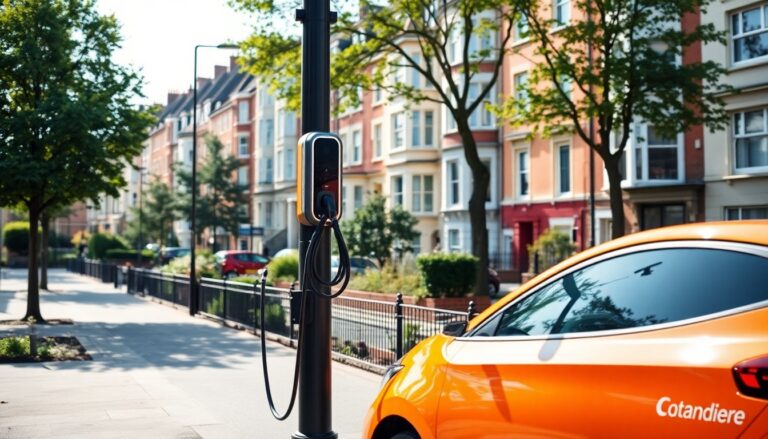
Cardiff council launches initiative for electric vehicle charging points
In a significant effort to promote sustainability and enhance infrastructure for electric vehicles (EVs), Cardiff Council has announced plans to install eighty new electric vehicle charging points across the city. This initiative targets areas where residents frequently lack access to off-street parking.
The new charging stations will be integrated into existing lamp-posts, providing drivers with convenient locations to charge their vehicles. Neighborhoods such as Heath, Gabalfa, Cathays, and others have been identified as key areas for this pilot scheme, which is expected to roll out over the next three years.
Enhancing electric vehicle accessibility
The upcoming charging points aim to meet the increasing demand for electric vehicle (EV) infrastructure as ownership rises. By implementing lamp-column chargers, the council seeks to optimize space while ensuring charging options are accessible and compliant with regulations.
A spokesperson for Cardiff Council stated that the installation of these chargers will be regulated by Traffic Regulation Orders (TROs). These orders will specify usage rules, prohibiting traditional fuel vehicles from parking in designated spaces to keep them available for electric vehicle owners.
Supporting residents without driveways
This initiative specifically addresses residents lacking private driveways to charge their vehicles at home. Cardiff Council aims to build confidence within the local community regarding the transition to electric vehicles through this new infrastructure.
Residents like Nick Edwards from Canton have voiced support for the initiative but also raised practical concerns about the installations. Edwards points out that lamp-posts in some areas are located far from the curb, potentially creating trip hazards when charging cables are in use.
Addressing power and accessibility concerns
Cardiff Council is set to deploy both 7kW and 50kW chargers. However, there are concerns regarding their effectiveness in densely populated areas. Edwards highlights that the slower chargers may not meet the needs of those requiring quick charging, drawing from his own experiences with fast-charging options during long trips.
He emphasizes the necessity for more robust charging solutions in strategic locations, such as parks. This would help alleviate parking issues and ensure that residents can access charging facilities without needing to park their vehicles at a distance.
Financial aspects of the charging initiative
The financial structure of the electric vehicle (EV) charging stations is designed to benefit both Cardiff Council and the local community. According to Cardiff Council, approximately 70% of the profits generated from these charging stations will be reinvested into the project. The remaining 30% will be allocated to their partner, Plug, which has committed to donating 10% of its share to community initiatives.
Charging a vehicle at a 7kW station can be an economical option for drivers. For example, a vehicle with a 100kW battery would cost about £22 to fully charge, representing a cost-effective alternative to traditional petrol or diesel vehicles.
Cardiff Council highlights that the primary aim of this pilot scheme is not profit generation but rather the enhancement of the EV infrastructure in the city. This initiative is expected to pave the way for a more sustainable future. If the initial rollout is successful, there are plans to expand the program to other locations across Cardiff.
