

Headline: Don Lemon Arrested at Minnesota Church Protest: A Deep Dive into Civil Rights and Journalism Summary: On [insert date], renowned journalist Don Lemon was arrested during a peaceful protest at a church in Minnesota. This incident has ignited widespread conversations surrounding civil rights, media ethics, and the role of journalism in advocating for social justice. Key Highlights: Incident Overview: Don Lemon, a prominent figure in journalism, was detained while participating in a...
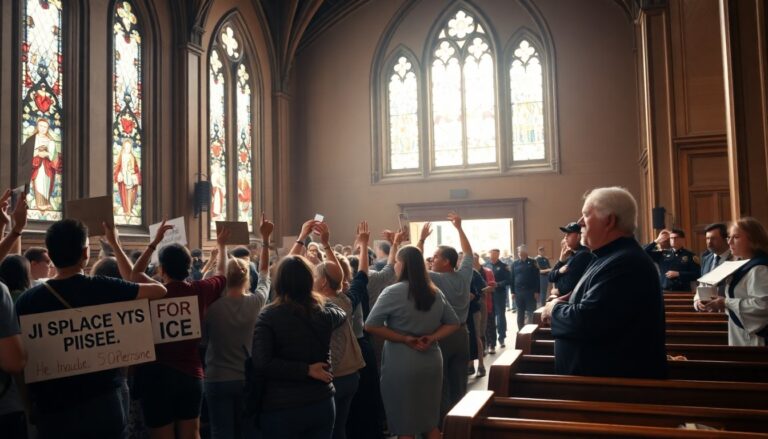
Former CNN anchor Don Lemon has made headlines following his first court appearance after being arrested during a protest at a church in Minnesota. The incident, which took place on January 18, involved a demonstration against the Immigration and Customs Enforcement (ICE) that interrupted worship services at Cities Church in St.
Paul. Activists organized the protest in response to allegations that a pastor at the church had ties to ICE, prompting significant unrest.
Lemon and several others face serious charges, including conspiring to infringe on the civil rights of churchgoers and violating laws that protect access to places of worship.
Following his arrest, he was released without bail, raising considerable debate about the implications for press freedom and journalists’ rights in the United States.
The protest and its aftermath
The demonstration at Cities Church featured activists chanting and using whistles, which some members of the congregation perceived as intimidating.
Prosecutors claim that this conduct, along with Lemon’s role in broadcasting the event live, contributed to the charges against him. This protest was also a reaction to the recent tragic deaths of two Minnesota residents, intensifying the local tension surrounding immigration enforcement.
Legal implications for journalists
In a subsequent court hearing in California, assistant U.S. attorney Alexander Robbins argued for a significant bond, alleging that Lemon participated in a coordinated effort to disrupt the church service. Lemon’s defense team, led by attorney Abbe Lowell, strongly contested these allegations, asserting that Lemon was fulfilling his duties as a journalist.
Lowell described the arrest as a direct violation of the First Amendment, which safeguards freedom of the press. He emphasized that Lemon’s three-decade career in journalism should not be penalized for reporting on a public event. The defense argued that instead of focusing on alleged misconduct by federal agents involved in the fatal shootings, the Department of Justice is targeting Lemon and his colleagues.
Public reaction and broader implications
The public’s reaction to Lemon’s arrest has been divided. Many view it as a disturbing precedent for journalists covering sensitive topics, while others criticize the protesters for their disruptive methods. In the wake of the incident, demonstrations erupted across Minneapolis, with students and activists demanding the removal of federal immigration agents from the state.
Concerns about press freedom
CNN, Lemon’s former employer, has expressed its concerns regarding the implications of his arrest. The network characterized the situation as raising profoundly troubling questions about the freedom of the press. As Lemon prepares to challenge the charges in court, the case has ignited discussions about the limits of journalistic conduct, particularly in politically charged contexts.
As the legal proceedings continue, the outcome is likely to affect how journalists operate in the field, especially when covering protests and incidents involving law enforcement. Lemon’s statements following his release reflect a strong commitment to his role as a journalist, as he asserts that he will not be silenced.
This case is not just significant for Lemon personally; it highlights a broader conflict between government authority and individual rights, particularly concerning media coverage of social justice issues. The implications of this incident may echo in the legal landscape for years to come.
