

Avian Influenza Prevention Measures in England: A Guide for Bird Keepers Stay informed about the latest avian influenza prevention measures implemented in England and understand their implications for bird keepers nationwide. This comprehensive guide provides essential information on how these regulations impact bird management, health protocols, and best practices for safeguarding your flock. Key Highlights: Overview of new avian influenza regulations Essential preventive measures for bird...
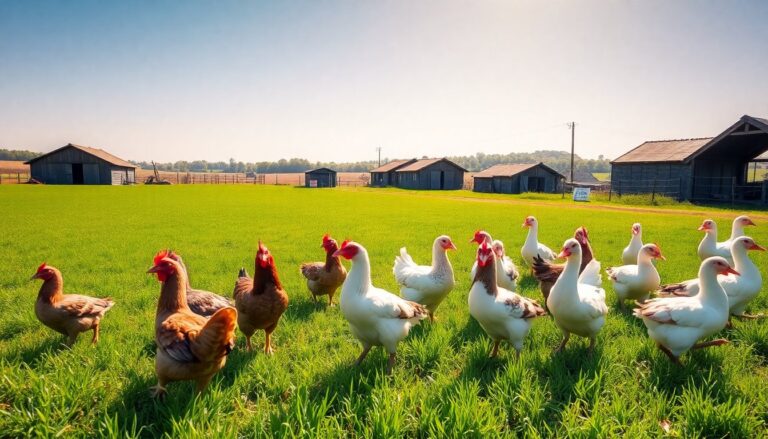
In response to the ongoing threat of avian influenza, England has established a comprehensive avian influenza prevention zone (AIPZ). This initiative is crucial for safeguarding the health of the nation’s bird population. The introduction of this zone mandates specific biosecurity protocols aimed at minimizing the risk of disease spread.
All bird keepers, regardless of the size of their flocks, must adhere to these regulations to ensure the well-being of their birds and to protect surrounding poultry.
One of the most significant requirements is the enforcement of mandatory housing measures.
If you own 50 or more birds, you are legally obligated to house them indoors. This ruling encompasses various bird types, including chickens, ducks, and other poultry. However, those keeping fewer than 50 birds for personal use can avoid housing them, provided they do not engage in the sale or distribution of eggs or meat.
Understanding housing regulations
For bird keepers managing fewer than 50 birds, the rules differ based on the intent of keeping these birds. If you sell or give away eggs or meat, you must adhere to the same housing requirements as larger flocks. Therefore, it is imperative for all bird owners to stay informed about their obligations under the current regulations. Detailed information on these requirements can be found in the latest official declaration.
Exemptions for specific bird types
Exemptions from housing requirements may be granted for certain bird species such as anseriformes (ducks, geese, swans) and ratites (ostriches and rheas). To qualify for an exemption, keepers must demonstrate that housing their birds would be impractical due to welfare concerns or the specific terrain of their premises, allowing flexibility while prioritizing the health of the birds.
To obtain an exemption, bird keepers must submit a statement prepared in consultation with a private veterinarian. This statement should outline the biosecurity measures being implemented, include the veterinarian’s contact details, and specify which biosecurity measures in the declaration cannot be met along with the rationale for these exceptions. It is important to retain this documentation for at least 12 months, as it may need to be presented to inspectors upon request.
Staying informed and compliant
Bird keepers should regularly check for updates regarding the avian influenza prevention zone. This includes understanding the current bird flu disease control zone map, which indicates areas where restrictions are in effect, as well as guidelines pertaining to bird gatherings. Compliance with these regulations is essential to mitigate the spread of avian influenza and ensure the safety of flocks across the country.
Maintaining biosecurity measures
In addition to housing regulations, maintaining rigorous biosecurity measures is vital. This includes practices such as cleaning and disinfecting equipment, managing access to feeding areas to prevent wild birds from mingling with domestic flocks, and promptly reporting any signs of illness among birds. The government continually reviews these measures and their effectiveness in managing the risks associated with avian influenza.
The establishment of the AIPZ represents a proactive approach to protect both domestic birds and the broader agricultural community. Bird keepers are encouraged to adapt to these regulations and remain vigilant in their efforts to sustain the health of their flocks. By staying informed and compliant with the guidelines set forth by authorities, bird owners can contribute to the collective effort of controlling avian influenza in England.
