

Exploring the Challenges Faced by Gazans Under Constant Threat Amid U.S. Discussions on Innovative Solutions This report delves into the ongoing struggles of the Gazan population living under persistent threat, highlighting the socio-economic and psychological impacts on daily life. Concurrently, it examines the U.S. initiatives and futuristic strategies aimed at addressing these complex issues. By analyzing both perspectives, this document aims to foster a deeper understanding of the...
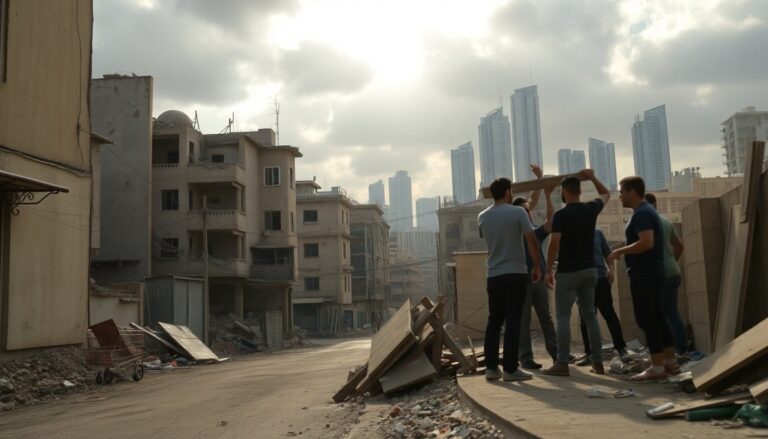
The situation in Gaza illustrates a grim reality of survival amid violence and instability. While the United States advocates for AI-driven smart cities, the experiences of two million residents in Gaza present a stark contrast. As they endure the relentless impact of Israeli airstrikes, promises of peace and prosperity seem increasingly distant.
Life under siege: The Palestinian experience in Gaza
Residents of Gaza are ensnared in a cycle of despair, intensified by ongoing military actions. The region exemplifies how conflict can turn urban life into a nightmare. Sharif Abdel Kouddous, a Middle East editor, characterizes the situation as an Orwellian nightmare, where technology serves as a tool of oppression rather than liberation.
Proposed plans for Gaza may mirror a theme park of dispossession, featuring sophisticated surveillance systems aimed at monitoring and controlling the population instead of providing essential aid.
Technological oppression versus humanitarian needs
Amid these bleak circumstances, the Israeli military has established numerous bases in the region, a development Abdel Kouddous warns could entrench their presence indefinitely.
He notes that ongoing violence has led to significant loss of life and has dismantled infrastructure critical for basic survival. The Gaza Health Ministry reports staggering casualties, with over 71,000 Palestinians confirmed dead since the onset of the latest conflict, emphasizing an urgent humanitarian crisis.
As the U.S. government promotes its vision for future smart cities, Gaza’s residents confront crumbling facilities and a dire lack of essential resources. The notion of a technologically advanced city appears worlds apart from the reality faced by a population struggling to access clean water and medical care. The immediate needs of the Gazan people are overshadowed by discussions that seem disconnected from their lived experiences.
The role of international politics in Gaza’s plight
International dynamics significantly influence Gaza’s future. Recent discussions at the United Nations regarding a potential ceasefire and the reopening of borders have been met with skepticism. Observers note that promises made often falter amid continued military actions, fostering unease among the populace. UN officials have expressed concerns about the deteriorating conditions of displaced individuals, underscoring that the humanitarian situation is critical.
Secrecy and complicity in violence
The silence surrounding the violence faced by Palestinians is troubling. A recent tribunal has sought to challenge the narrative of complicity that allows such atrocities to persist largely unacknowledged. This People’s Tribunal aims to illuminate the systemic injustices faced by Palestinians and confront the complicity of international actors. The tribunal’s findings stress the need for transparency and accountability in addressing these issues.
As Gaza navigates its harsh realities, the contrast between U.S. aspirations for technological advancement and the human suffering in Gaza raises critical questions about global political priorities. Is the vision for a smart city merely a facade that distracts from the urgent humanitarian needs of millions?
Bridging the gap between promise and reality
The disconnect between the plight of Gazans and the U.S. narrative of progress highlights a pressing need for genuine engagement with the realities on the ground. While technology and innovation can transform lives, it is essential that these advancements do not come at the expense of human dignity and rights. The world must advocate for a future where the voices of those in Gaza are included in the discourse, ensuring aspirations for peace and stability are matched by tangible support and action.
