

Resume Summary: Amidst falling temperatures, Russia's military strategies in Ukraine are increasingly aimed at undermining the country's energy infrastructure. This offensive has resulted in significant challenges for residents, many of whom are now facing severe shortages of heating and electricity.
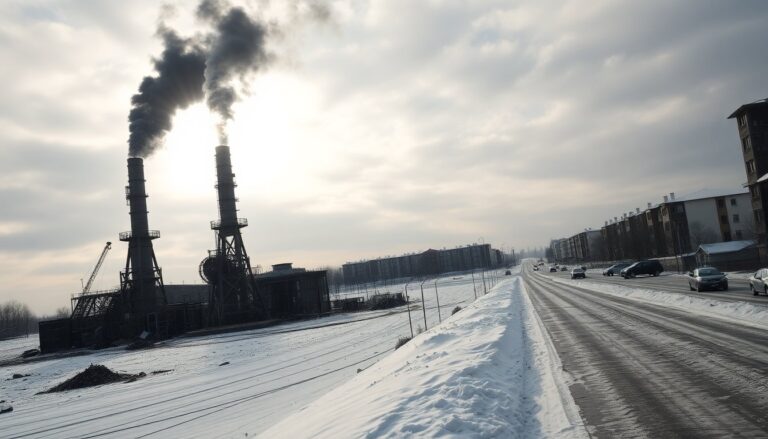
The ongoing conflict between Russia and Ukraine has reached a critical juncture, with recent military actions intensifying. As of February 4, 2026, the war has entered its 1,441st day, and the situation has escalated dramatically, particularly regarding attacks on Ukraine’s energy infrastructure.
With winter setting in and temperatures dropping, the impact of these assaults is acutely felt by the civilian population.
In a series of coordinated strikes, Russian forces targeted multiple regions, leading to significant casualties and extensive damage to vital infrastructure.
The situation remains precarious as both sides prepare for diplomatic discussions while the conflict continues to rage.
Recent military developments in Ukraine
Reports indicate that a Russian strike in the southeastern city of Zaporizhzhia resulted in the deaths of at least two teenagers, with several others injured.
Local governor Ivan Fedorov communicated this grim news via the Telegram app, highlighting the urgent humanitarian crisis unfolding in the region.
Following this attack, a 24-hour air raid alert was declared, as the Russian military continued its offensive, including a significant assault on Ukrainian energy facilities. This operation has been described as one of the most powerful strikes of the year, aimed at crippling Ukraine’s energy capabilities just as temperatures drop.
Impact on energy infrastructure
Ukrainian officials report that the recent wave of attacks has left hundreds of thousands without heating, creating severe risks for civilians during the harsh winter months. The Ukrainian Energy Minister, Denys Shmyhal, noted that the assault targeted key facilities, including thermal power plants and combined heat and power stations, which are essential for maintaining warmth in urban areas.
During this latest offensive, over 450 attack drones and more than 60 missiles were deployed, according to Ukrainian Foreign Minister Andrii Sybiha. Such a high volume of attacks raises alarms about the deliberate targeting of civilian infrastructure, leaving many families vulnerable to the extreme cold without adequate heating.
Political implications and international responses
As the military situation deteriorates, political leaders globally are responding to the crisis. Ukrainian President Volodymyr Zelenskyy has called for maximum international pressure on Russia, emphasizing the need for unified global action against the aggression. The urgency of the situation is underscored by the upcoming trilateral talks in Abu Dhabi aimed at negotiating a ceasefire.
In response to the continued hostilities, Sweden and Denmark announced plans to jointly procure and deliver air defense systems to Ukraine, representing a significant military assistance initiative valued at approximately 290 million US dollars. This move highlights the increasing commitment from Western allies to support Ukraine amid its ongoing struggle.
Casualties and humanitarian crisis
The recent attacks have resulted in a tragic loss of life, with reports indicating multiple casualties across various regions, including Kherson and Kharkiv. In Kharkiv, a power plant sustained severe damage, leading to injuries among civilians and exacerbating the already dire energy situation.
As the conflict continues, humanitarian organizations are sounding the alarm over the potential for a crisis of unprecedented proportions. With the winter chill setting in, the urgent need for warmth and safety is more critical than ever. Efforts to restore heating and essential services are underway, but the scale of destruction poses significant challenges.
Looking ahead: Negotiations and the future
In a series of coordinated strikes, Russian forces targeted multiple regions, leading to significant casualties and extensive damage to vital infrastructure. The situation remains precarious as both sides prepare for diplomatic discussions while the conflict continues to rage.0
In a series of coordinated strikes, Russian forces targeted multiple regions, leading to significant casualties and extensive damage to vital infrastructure. The situation remains precarious as both sides prepare for diplomatic discussions while the conflict continues to rage.1
