

Headline: Controversy Erupts Over Mid-Match Advertisements During Six Nations Opener Summary: The recent decision to air advertisements during the Six Nations opening match has ignited significant backlash from rugby enthusiasts. Fans are expressing their dissatisfaction, raising concerns about the impact of commercial interruptions on the integrity of the sport.
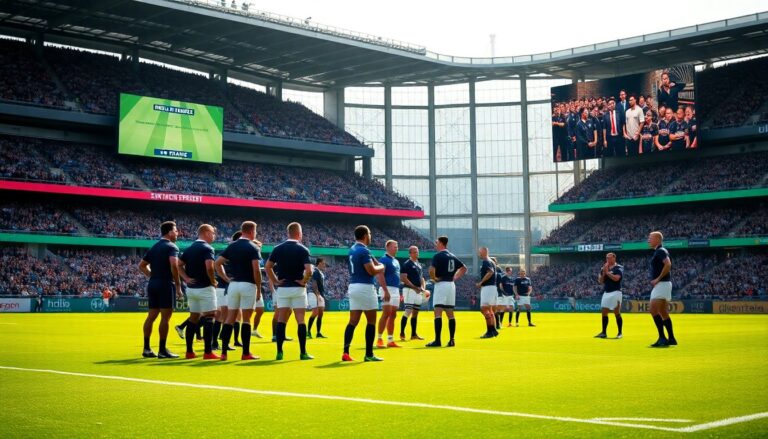
The excitement surrounding the Six Nations Championship was palpable as France faced Ireland in a highly anticipated match. However, this enthusiasm quickly turned to disappointment when ITV, the broadcasting network, aired advertisements during the game. This marked a significant departure from traditional sports viewing experiences and led to immediate backlash from fans who deemed such interruptions unwelcome and disruptive.
On February 5, the clash between these two storied rugby nations took place at the iconic Stade de France. Fans eagerly awaited the match, hoping to witness an early assertion of dominance in the tournament. Yet, in the 17th minute, viewers were shocked to see asplit-screen formatfeaturing a commercial for a Samsung product alongside the live match action.
This unprecedented move did not sit well with the audience, prompting many to take to social media to express their discontent.
Fan reactions to mid-match advertising
Rugby enthusiasts around the world quickly voiced their opinions on social media platforms.
Comments flooded in, with many fans stating, “No one watching wants this!” This sentiment resonated broadly as viewers felt their engagement with the sport was being compromised by intrusive advertising. The essence of watching a live sporting event is often tied to the uninterrupted thrill of the game, and many felt that ITV’s decision undermined this experience.
Critics of the decision emphasized that the integrity of sports broadcasting should prioritize theviewing experienceof fans over commercial interests. This dissatisfaction extended beyond a single match, raising broader concerns about the potential for more frequent interruptions in future broadcasts. As rugby continues to grow in popularity, the balance between advertising revenue and maintaining the sanctity of the game is becoming increasingly contentious.
The significance of the Six Nations Championship
The Six Nations Championship is a prestigious rugby tournament that showcases some of the best teams in Europe. The opening match between France and Ireland is often seen as a precursor to the tournament’s Both teams entered the match with high hopes and aspirations for a Grand Slam victory, making the stakes even higher.
France, known for its dynamic playing style, faced off against Ireland, a team renowned for its tactical discipline. The atmosphere at the Stade de France was electrifying, filled with passionate supporters eager to witness their teams in action. Given the fierce rivalry that exists between these two nations, the match was expected to be a hard-fought contest, with every point carrying significant weight in the tournament standings.
The implications of advertising during live sports
As the rugby community grapples with this new advertising approach, it raises important questions about the future of live sports broadcasts. Will advertisers increasingly encroach upon the sanctity of sporting events, or will networks reconsider their strategies to appease dedicated fans? The decision to include mid-match advertisements could set a troubling precedent, potentially altering how audiences engage with their favorite sports.
This incident also serves as a reminder of the evolving landscape of media consumption. Today’s viewers demand respect for their time and attention, especially during significant sporting occasions. If networks fail to acknowledge and adapt to these expectations, they risk alienating their audience, which could have long-term repercussions for viewership ratings.
Looking ahead: A call for change
As rugby fans reflect on the recent match, there is hope that broadcasting networks will heed the backlash and reconsider their approach to advertising during live sports. The integrity of the game should remain paramount, and any efforts to incorporate commercials must be done with careful thought to ensure that the viewing experience is not compromised.
The challenge of balancing commercial interests with the viewing pleasure of fans is ongoing. The response to ITV’s recent decision serves as a powerful reminder of the passion and loyalty that rugby enthusiasts hold for their sport. As the Six Nations Championship unfolds, the rugby community will be watching closely to see how networks adapt to this feedback and whether they will prioritize the needs of their viewers in the future.
