

Discover the significant incidents Suffolk Fire and Rescue Service has responded to this year, highlighting their impact and response strategies.
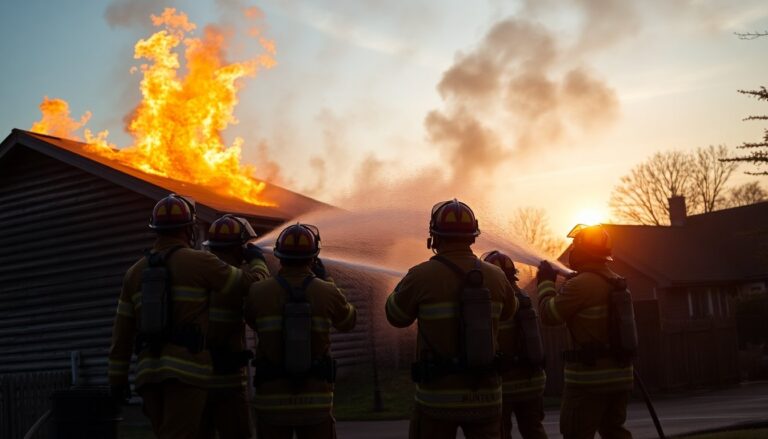
Suffolk Fire and Rescue Service: safeguarding the community
The Suffolk Fire and Rescue Service is vital in ensuring community safety and well-being. This year has presented various challenges and incidents, underscoring their dedication to protecting residents and properties. Analyzing the key incidents the service has responded to offers valuable insights into their operations and the evolving landscape of emergency response in the region.
Overview of significant incidents
Over the past year, Suffolk Fire and Rescue Service has addressed a diverse range of incidents, including fires and traffic collisions. Notably, there was a marked increase in callouts related to wildfires during the dry summer months.
This surge necessitated heightened preparedness and strategic resource allocation. The service also tackled complex structural fires, often requiring multiple units and specialized equipment to ensure effective response.
Statistics reveal a significant rise in incidents involving hazardous materials, particularly in industrial areas where chemical spills occurred.
These situations demand immediate action to mitigate environmental damage and protect the safety of both firefighters and the public. The service’s responses in such cases demonstrate their adaptability and expertise in navigating unforeseen challenges.
Additionally, the service has actively engaged with the community by conducting fire safety workshops and educational programs aimed at reducing preventable incidents. These initiatives play a crucial role in cultivating a culture of safety within the community and empowering residents to take proactive measures toward fire prevention.
Analysis of response strategies
In responding to incidents, the Suffolk Fire and Rescue Service employs a combination of traditional firefighting techniques and modern technology. The integration of data analytics into their operations enhances resource management and response planning. For instance, predictive analytics enables the service to anticipate peak demand times and allocate resources more effectively.
Collaboration with local authorities and other emergency services further strengthens their response capabilities. Joint training exercises and information sharing ensure that all parties are well-prepared to address major incidents. This collaborative approach has proven beneficial, especially during large-scale emergencies where coordinated efforts are essential for successful outcomes.
An additional critical aspect of their response strategy is the focus on mental health support for firefighters. Given the high-stress nature of their work, prioritizing personnel well-being is vital. The service has implemented programs to provide psychological support, which is crucial for maintaining operational effectiveness.
Future considerations and challenges
As Suffolk Fire and Rescue Service moves forward, it must navigate several challenges that could affect its operations. Climate change is anticipated to increase the frequency and intensity of extreme weather events, leading to a rise in incidents that require firefighting and rescue services. Consequently, the training and resources allocated to respond effectively to these emergencies must evolve.
Budgetary constraints present another hurdle, as they can limit the ability to maintain and upgrade essential equipment. It is vital for the service to advocate for sufficient funding to ensure it is prepared to handle future incidents efficiently. Ongoing investment in training, technology, and community outreach will be critical for fulfilling its mission.
The Suffolk Fire and Rescue Service has shown resilience and adaptability in addressing a diverse range of incidents this year. Their dedication to community safety, continuous training, and collaboration with other agencies positions them to tackle upcoming challenges effectively. By prioritizing proactive measures and efficient resource management, the service will enhance the safety of Suffolk’s residents.
