

Explore the Enchanting Realm of Ancient Woodlands and Their Crucial Role in Ecosystems Delve into the captivating universe of ancient woodlands, where towering trees and diverse flora create a unique habitat essential for ecological balance. Discover how these ancient forests contribute to biodiversity, carbon storage, and climate regulation, making them invaluable to our planet's health. Join us in understanding the significance of preserving these natural treasures for future generations.
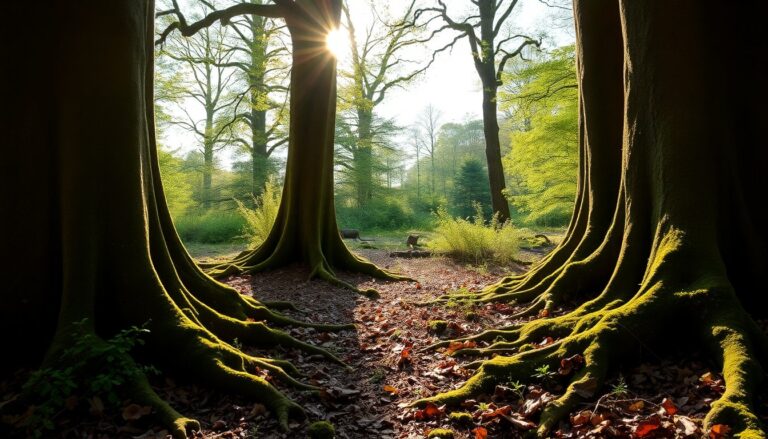
Ancient woodlands are invaluable treasures that symbolize biodiversity and ecological history in England. These ecosystems, often over 400 years old, support a wide array of flora and fauna, making them crucial for environmental health. Understanding the conservation efforts and legislative frameworks governing these areas is essential for protecting these natural habitats.
The ecological value of ancient woodlands
Ancient woodlands are not merely collections of trees; they are complex ecosystems that have evolved over centuries. They are home to numerous species, including many that are rare or threatened. Thehabitatsfound within these woodlands support rich biodiversity, which is critical for the For instance, ancient oaks in these areas can host over 200 different species of insects, as well as countless fungi and plants.
Flora and fauna diversity
The flora in ancient woodlands includes a mix of native trees, shrubs, and ground flora that thrive in these unique environments. The presence ofancient treescontributes to a stable microclimate, benefiting many species. Furthermore, these woodlands provide vital corridors for wildlife, enabling animals to migrate and breed effectively.
Conserving these habitats ensures the survival of various species and enhances the ecological resilience of the landscape.
Conservation strategies for ancient woodlands
Recognizing the importance of these ecosystems, the UK government has developed a framework to conserve and manage ancient woodlands. This includes the designation of protected areas and the establishment of conservation policies aimed at preserving the ecological integrity of these sites. One key initiative is theLocal Nature Recovery Strategy(LNRS), which aims to restore and connect natural habitats across the landscape.
Public participation in conservation
Engaging the local community in conservation efforts is paramount. Initiatives such as public consultations allow residents to voice their opinions on conservation strategies and participate in decision-making processes. By fostering a sense of responsibility and ownership, these strategies pave the way for collaborative efforts to protect ancient woodlands. Additionally, local councils are working in tandem with organizations likeNatural Englandto enhance public understanding and encourage involvement in conservation activities.
The role of data in woodland management
Data plays a critical role in the management of ancient woodlands. Various datasets provide insights into the distribution, health, and biodiversity of these ecosystems. For instance, theAncient Woodland Inventoryoffers a comprehensive overview of woodland locations and their historical significance. This information is invaluable for conservationists, as it helps inform strategies for protection and restoration.
Moreover, public access to this data fosters transparency and encourages community engagement. By utilizing tools such as theNatural England Open Data Geoportal, individuals and organizations can fully understand the status of ancient woodlands and contribute to their preservation efforts actively.
Ancient woodlands are a vital part of England’s natural heritage, playing a key role in sustaining biodiversity and ecological health. Through targeted conservation efforts, public engagement, and the use of data, we can ensure that these magnificent ecosystems are preserved for generations to come. It is essential that we all take part in this effort, as the survival of our planet’s natural environments depends on our collective actions.
