

Bad Bunny's Super Bowl Performance: A Celebration of Cultural Representation in Music Bad Bunny’s electrifying Super Bowl halftime show underscored the vital importance of cultural representation in the music industry. By showcasing his Latin heritage and infusing the performance with vibrant elements of his culture, he not only entertained millions but also brought visibility to underrepresented voices in mainstream music. This moment served as a powerful reminder of the impact that...
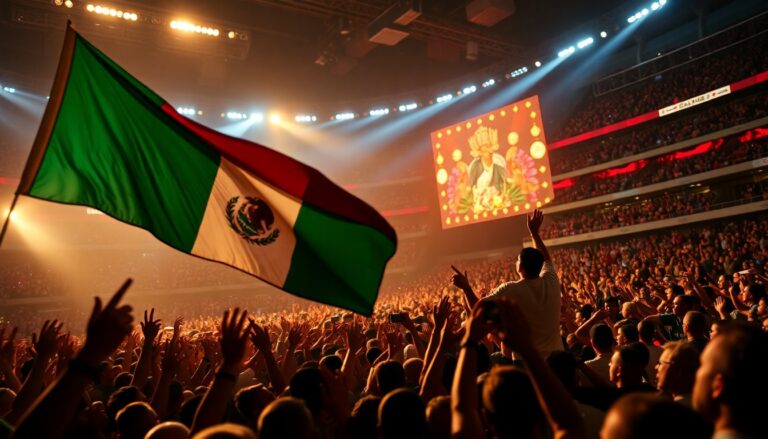
Bad Bunny’s performance during the super bowl halftime show resonated deeply with many viewers, serving as a powerful reminder of cultural roots and shared experiences. This event transcended mere entertainment, sparking emotions linked to displacement and migration.
Having moved to London at the age of three, fleeing the conflict in Kosovo, I grew up in West London, a city rich in diversity.
This vibrant environment taught me that a multitude of cultures can enhance our lives rather than divide us.
Cultural heritage and personal journeys
My sister, Rita Ora, also represents this journey. As the first internationally recognized musician from Kosovo, she has gained numerous hits in the UK.
However, one of our most significant moments occurred during the tenth anniversary of Kosovo’s independence.
On that historic occasion, Rita performed a concert in Kosovo, attracting an audience of approximately 300,000 people. Organized by the Kosovo government, this event delivered a powerful message: we are visible, and we belong in the world.
A celebration of identity
That night transformed into a communal celebration, where joy served as a form of resistance. The music echoed our collective identity and affirmed our worth. Since then, we have seen a notable emergence of artists from Kosovo and those of Albanian descent, including Dua Lipa, Bebe Rexha, and Ava Max, representing a generation that no longer seeks permission to succeed.
The impact of cultural events
Growing up in Ladbroke Grove, I was also significantly influenced by the rich Jamaican and Caribbean cultures surrounding me. The annual Notting Hill Carnival was more than a festival; it was a vibrant celebration that united individuals from diverse backgrounds. The atmosphere pulsed with energy as people of all ages came together to enjoy music and dance.
Even my grandfather, who spoke little English, would dress up and join the festivities. His connection to the carnival’s joy transcended language barriers, teaching me that belonging is defined not by origin, but by the freedom to express oneself.
Embracing cultural coexistence
This experience highlighted an essential truth: the coexistence of cultures is a unique aspect of British society, one that I cherish deeply. My parents’ decision to settle in the UK allowed me to thrive in an environment filled with joy and connection that may not have existed elsewhere. Witnessing Bad Bunny perform confidently in his native tongue on a global stage filled me with pride.
My friends, who come from backgrounds as varied as Canadian, Jamaican, Indian, and Spanish, shared in this moment, each of us feeling a profound connection to our stories being celebrated.
Unity through music
Since that unforgettable Sunday, I have repeatedly watched clips of Bad Bunny’s performance, each viewing igniting a sense of pride in my heritage, family, and friends. The essence of his performance was not just representation; it was the palpable energy of unity, warmth, and defiance delivered with love.
Having moved to London at the age of three, fleeing the conflict in Kosovo, I grew up in West London, a city rich in diversity. This vibrant environment taught me that a multitude of cultures can enhance our lives rather than divide us.0
Having moved to London at the age of three, fleeing the conflict in Kosovo, I grew up in West London, a city rich in diversity. This vibrant environment taught me that a multitude of cultures can enhance our lives rather than divide us.1
