

At the 2026 AU summit in Addis Ababa, water and climate resilience headline discussions even as Israel’s December 26, 2026 recognition of Somaliland challenges regional legal norms and fuels diplomatic friction.
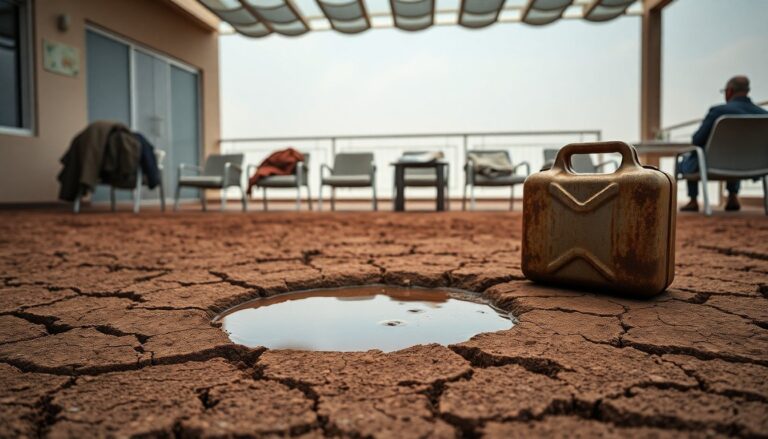
African leaders are in Addis Ababa for the 2026 African Union summit, confronting a pair of urgent challenges: shrinking water supplies and a wave of regional conflicts. Heads of state arrive under time pressure, juggling climate-driven resource shortages while trying to steady fractures across the continent—from the violence and displacement in Sudan, South Sudan and the DR Congo to instability in parts of the Sahel.
Water security and the wider impacts of climate change sit at the center of the agenda. Organizers say decisions made here will influence how the continent prioritizes funding and policy for years to come. But the summit is unfolding against another flashpoint: Israel’s December 26, 2026 recognition of Somaliland, a move that many African governments and regional bodies view as undermining established continental principles and threatening to complicate efforts at unity.
Legal frameworks and political realities
Two legal strands shape the debate. On one side sits general international law—longstanding rules about statehood, sovereignty and non-intervention. On the other are African regional instruments emphasizing respect for the borders that emerged from decolonization and collective approaches to recognition and dispute settlement.
These frameworks run in parallel. A foreign government can, under customary international law, decide recognition based on familiar benchmarks—often summarized in the Montevideo criteria: a permanent population, defined territory, a functioning government, and capacity to enter into relations with other states. Somaliland arguably meets many of those elements: it declared independence in 1991 and has maintained stable institutions, representative offices abroad, and international agreements that suggest an ability to engage with other states.
Yet regional law changes the political calculus. The AU’s doctrine of non-recognition, rooted in instruments going back to the Organization of African Unity and reaffirmed in the AU Constitutive Act, prioritizes continental stability over unilateral moves that might encourage secession. It obliges member states to respect borders as they were at independence and calls on them to resist external actions that could undermine a fellow state’s territorial integrity.
What Israel’s recognition means
Israel’s formal recognition of Somaliland does not automatically violate the technical rules of international law, according to many analysts. The entity controls territory—roughly 176,120 square kilometres—has a population estimated at over 6.2 million, a long coastline, and conducts diplomatic and commercial relations. Those are factors states weigh when deciding whether to recognise another political entity.
Political and regional considerations often outweigh legal niceties, however. African institutions and neighbouring capitals have made clear they view Somaliland as part of the Federal Republic of Somalia. They warn that outside recognitions can fracture continental consensus, prompt coordinated diplomatic responses, and raise the risk of spillover tensions along land and maritime borders.
Security and diplomatic fallout
The recognition is likely to produce immediate diplomatic maneuvers: coordinated statements, démarches, and calls for clarification from capitals across the Horn of Africa and beyond. Security officials are alert to possible border incidents, disputes over maritime resources, and broader instability that could draw in regional security mechanisms.
Some critics frame Israel’s move as part of wider geopolitical calculations, even alleging population transfers or other coercive measures. Experts caution that such claims require robust evidence—intent, scope and state responsibility must be proven before the doctrine of non-recognition or other legal remedies can legitimately be invoked.
At the same time, practical ties continue. Several neighbouring states and external partners keep channels open, accept certain Somaliland-issued travel documents in limited cases, and maintain commercial and security relationships while publicly voicing disquiet. How these interactions evolve—and whether independent fact-finding is launched—will shape both immediate policy choices and longer-term norms on recognition.
Climate urgency meets legal ambiguity
Water security and the wider impacts of climate change sit at the center of the agenda. Organizers say decisions made here will influence how the continent prioritizes funding and policy for years to come. But the summit is unfolding against another flashpoint: Israel’s December 26, 2026 recognition of Somaliland, a move that many African governments and regional bodies view as undermining established continental principles and threatening to complicate efforts at unity.0
Water security and the wider impacts of climate change sit at the center of the agenda. Organizers say decisions made here will influence how the continent prioritizes funding and policy for years to come. But the summit is unfolding against another flashpoint: Israel’s December 26, 2026 recognition of Somaliland, a move that many African governments and regional bodies view as undermining established continental principles and threatening to complicate efforts at unity.1
Water security and the wider impacts of climate change sit at the center of the agenda. Organizers say decisions made here will influence how the continent prioritizes funding and policy for years to come. But the summit is unfolding against another flashpoint: Israel’s December 26, 2026 recognition of Somaliland, a move that many African governments and regional bodies view as undermining established continental principles and threatening to complicate efforts at unity.2
