

A landmark trade agreement reduces tariffs on Taiwan’s exports, secures large US purchases and ties into discussions over semiconductors, defense spending and diplomatic balance.
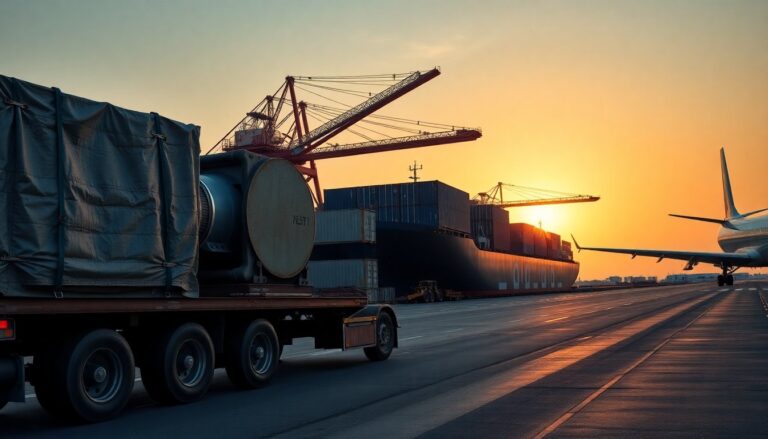
Washington and Taipei have stitched together a carefully balanced trade deal: the United States trims a broad tariff on Taiwanese imports while Taiwan commits to substantial purchases of U.S. goods. Under the pact, Taipei has pledged roughly $85 billion in procurement—concentrated in energy, aircraft and industrial equipment—while the U.S.
cuts its general tariff on Taiwanese imports from about 20% to 15%. Leaders on both sides framed the agreement as a step toward stronger commercial ties and more resilient supply chains.
What the pact actually does
– Market access is widened and a number of product‑specific exemptions were negotiated to smooth two‑way trade.
Taipei says these changes will especially help exporters in agriculture and specialty foods; U.S. officials highlight the deal’s potential to deepen ties with a key Asia‑Pacific partner.
– Taiwan agreed to remove or reduce tariffs across roughly 99% of negotiated categories, giving U.S.
sellers preferential entry for goods like auto parts, chemicals, machinery, health products, dairy and pork. That should speed market entry and lower landed costs for many exporters.
– In return, the U.S. will lift duties on about 2,000 Taiwanese items, reducing Taiwan’s average tariff on U.S.-bound goods to roughly 12.3%. Consumer goods such as orchids, tea inputs and certain fruit products could become more price‑competitive as margins shift.
Immediate business impacts
Linking tariff cuts to procurement creates predictable demand for American suppliers while opening U.S. markets to more Taiwanese goods. For companies and supply‑chain managers the implications are practical and fast: repricing products, rethinking sourcing strategies and recalibrating inventory buffers to reflect lower duties and new market access. Traders and analysts will be watching export volumes, tariff revenue changes and the pace at which product exemptions come into effect to see how the deal plays out in real terms.
Taiwan’s export backdrop
Taiwan’s export engine has been roaring: exports jumped about 35% to a record $640.75 billion, largely driven by global demand for advanced semiconductors. For the first time in more than two decades, roughly a third of those exports went to the United States, making it Taiwan’s largest market. Because shifts in tariff policy can quickly change retail placement and promotional strategies, marketers and planners are likely to move fast—sometimes within months—to capture new opportunities.
Semiconductors, investment and limits on relocation
Chips are central to the strategic conversation. The agreement reinforces diversification goals—encouraging some production to move to fabs outside Taiwan, including in the U.S. and allied countries—but it does not mandate on‑shore relocations. The text contains no binding requirement for Taipei to relocate chip manufacturing. Instead, negotiators pointed to private‑sector investment plans, like TSMC’s commitments to expand U.S. fabrication capacity.
That distinction matters. Building advanced fabs is capital‑intensive and dependent on a dense ecosystem: specialized equipment, experienced engineers and local supplier networks take years to assemble. Even announced investments won’t instantly recreate Taiwan’s deep expertise in cutting‑edge nodes. Policymakers can speed progress with incentives and workforce development, but technology migration is a marathon, not a sprint.
Useful industry signals to monitor include project financing, construction milestones, wafer starts and export volumes. TSMC’s recent revenue surge—driven by demand for AI and high‑performance computing chips, along with record net income and share gains—underscores how central semiconductors are to Taiwan’s economy and to global technology supply chains.
Security, politics and the “silicon shield”
Semiconductors are more than commerce; they’re strategic leverage. Taiwanese officials often point to a “silicon shield”: the island’s semiconductor dominance complicates coercive moves by potential adversaries. Geography, democratic institutions and long‑standing diplomatic relationships also factor into Taiwan’s deterrence.
Yet concentration creates risk. Heavy reliance on a narrow supplier base leaves global technology users vulnerable. The trade pact adds another economic layer to Taiwan’s security equation, linking procurement, investment and diplomatic posture.
Taiwan has proposed a roughly $40 billion defense budget as part of that broader picture. Debates in Taipei about spending priorities reflect a push for greater self‑reliance and shared burden‑bearing with partners. Turning budget figures into real capability will require measurable KPIs—shorter procurement lead times, better spare‑parts availability and stronger stockpile resilience—that show whether money translates into readiness. Expect quick operational changes at the company level, steady scrutiny from market watchers, and a multi‑year effort to reshape the underlying industrial and security landscape.
