

in a closely fought six nations encounter at a sold-out aviva stadium, ireland recovered from early doubt to secure a 20-13 victory over italy with late intervention from their bench
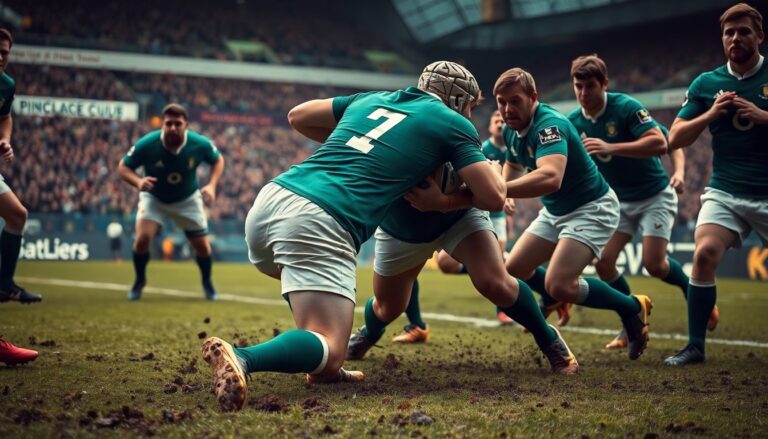
Ireland hold off italy to win 20-13 at aviva Stadium
Ireland beat Italy 20-13 at the Aviva Stadium in a sold-out Guinness Six Nations fixture that kicked off at 2.10pm. The match offered Ireland a chance to recover momentum after a heavy earlier defeat in the championship.
The contest finished narrowly as scores from starters and replacements secured the win for the home side.
The game combined moments of individual class with several contentious decisions. Referee Hollie Davidson officiated, becoming the first woman to take charge of a men’s Six Nations match.
Periods of disjointed play on both sides left the outcome in doubt until late interventions by Ireland’s bench.
First half: italy strike and ireland struggle for rhythm
Periods of disjointed play on both sides left the outcome in doubt until late interventions by Ireland’s bench.
The opening half featured clear momentum swings and decisive physical contests at set pieces. Italy capitalised on a clinical phase of pick-and-go near the ruck to open their account, and a precise finish from hooker Giacomo Nicotera extended their edge.
Ireland created scoring opportunities through patient handling, with Stuart McCloskey instrumental in the move that the supporting pack finished. Kicking execution, however, remained inconsistent and reduced the hosts’ scoreboard return. A yellow card to scrum-half Craig Casey briefly handed Italy territorial advantage, which the visitors used to probe the wider channels.
Italy grew into the half as their backs, led by full-back Lorenzo Pani and winger Louis Lynagh, generated several threatening line breaks. Defensive lapses from the home side, notably in cover and communication, allowed those breaks to develop into sustained pressure. Could Ireland restore control through sharper kicking and tighter defensive alignment?
The half closed with Italy holding confidence and territory, while Ireland required greater cohesion to convert possession into points. Tactical adjustments at halftime would determine whether the hosts could reclaim tempo or if Italy’s momentum would carry into the second half.
Second half: bench impact and decisive moments
Tactical adjustments at halftime shifted tempo in Ireland’s favour within minutes. Managerial changes reintroduced physicality and tighter set-piece control. The restart produced an immediate response when back-row forward Jack Conan finished from close range to level the score. The move underlined the impact of forward platforms on attacking chances.
Kicking accuracy remained inconsistent and kept the scoreboard closer than the pattern of play suggested. Championship debutant Robert Baloucoune injected width and finishing threat after his introduction. He converted a fast, accurate pass into a decisive try in a critical phase of the second half.
Replacement fly-half Jack Crowley provided composure from the tee. His conversion and subsequent penalty extended Ireland’s margin after the earlier starter had struggled with routine kicks. The substitutions altered field geometry and possession patterns, producing the decisive scoring sequence that settled the contest.
Moments that swung the result
The substitutions altered field geometry and possession patterns, producing the decisive scoring sequence that settled the contest. A video review overturned an Italian try after a supporting pass was ruled forward, removing a potential momentum shift. Italy then applied sustained pressure with several dangerous breaks and accurate tactical kicking from their playmaker, keeping the margin narrow. In the closing minutes, a sequence of last-ditch tackles and disciplined defensive reads preserved Ireland’s lead and highlighted how marginal the final difference proved.
Individual performances and discipline
Both sides produced notable individual contributions that shaped phases of play. Ireland’s loose forwards and lineout work created repeated attacking platforms, while Italy’s backs tested the defensive line with broken-field running and incisive support play. A yellow card to an Irish player in the opening period disrupted defensive patterns and required immediate tactical adjustment. Those discipline moments forced reshuffles that affected possession and territory at critical junctures.
What this means for ireland and italy in the championship
The win provides Ireland their first tournament points and a platform to repair momentum after the heavy opening-round defeat in Paris. The margin was narrow and the performance uneven. The result, however, prevents a damaging second loss and gives the coaching staff clear areas for adjustment ahead of the next fixture.
Italy leave Dublin with evidence of attacking intent and defensive resilience. They pushed Ireland throughout and came close to a rare victory on Irish soil. The match highlighted finishing details, goal-kicking consistency and set-piece execution as immediate priorities for both teams.
Those discipline moments forced reshuffles that affected possession and territory at critical junctures. From a strategic perspective, both sides must convert territorial advantage into durable scoring opportunities rather than short-term pressure.
The game also marked progress in refereeing representation and reflected the heightened intensity of modern Six Nations clashes. The data shows a clear trend: marginal incidents and bench impact are increasingly decisive in tight fixtures.
Practical imperatives emerge from the result. Ireland will prioritise sharper finishing and steadier goal-kicking to consolidate points in close matches. Italy will concentrate on set-piece stability and clearer phases to turn promising sequences into points.
The immediate championship picture remains tight. Both teams retain pathways to improve their positions if they address the specific weaknesses exposed in Dublin.
