

Rome is proposing a paid annual pass of €1,000 for many electric cars to enter the historic Ztl and will remove free blue‑zone parking for mild‑hybrids — a move intended to curb centre congestion while protecting residents and key categories from additional costs.
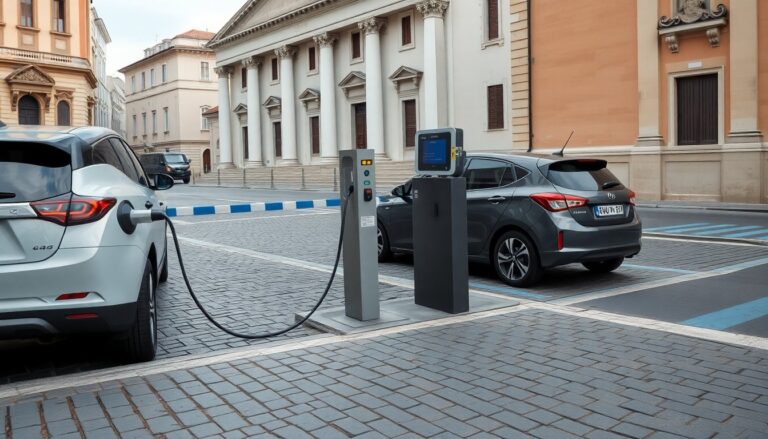
Rome plans to charge many electric cars €1,000 a year to enter the historic centre
Rome’s mobility office has put forward two directives that would overhaul access to the city’s restricted traffic zone (ZTL) and change paid-parking rules across the city’s blue bays (strisce blu).
The proposals, presented by the mobility councillor and now with the council for consideration, aim to tighten controls on who can drive into the historic core and to rework long-standing exemptions based on vehicle technology.
What’s being proposed – A new annual permit of €1,000 for many non-resident battery-electric vehicles that until now entered the ZTL free of charge.
Residents and a small set of priority groups would still be exempt. – The removal of free parking on strisce blu for a broad class of mild‑hybrid cars, while maintaining exemptions for full hybrids and plug‑in hybrids that provide more substantial electric-only range.
Why the change Officials say the measures respond to a sharp rise in authorisations for zero‑emission cars, which, despite lacking tailpipe pollution, still take up limited curb and road space. The administration frames the reform as a way to protect pedestrianised areas, improve turnover on narrow streets, and generate revenue to fund mobility services and enforcement.
What it would mean on the ground Drivers who relied on emissions-based exemptions will face new costs or restrictions. Businesses that depend on curbside loading may need to adjust delivery windows or seek specific access permits. Authorities argue the fee is a demand-management tool — discouraging non-essential trips while reserving space for buses, pedestrians and deliveries — but critics warn it could slow occasional electric uptake among non-resident drivers.
Details still to come The municipal notices published on 11 and 12 February set out the broad regime but left many technical questions unanswered. The council will debate the directives and, if approved, officials say they will publish the detailed eligibility lists, enforcement rules and timelines before implementation. That means which exact models keep exemptions, how the permit system will run and how fines will be applied are still to be confirmed.
How the system would work City planners propose a phased rollout with a grandfathering window so existing permit holders aren’t immediately cut off. A registration and verification platform tied to licence-plate recognition would link permits to vehicles and support automated enforcement at entry points. The municipality also plans a complaints and appeals process for disputed denials.
Policy rationale and trade-offs Rome’s argument is practical as much as environmental: more authorised vehicles equal more competition for scarce central parking and greater congestion. Electric and hybrid cars reduce tailpipe emissions but do not free up street space. By narrowing benefits to vehicles that deliver measurable urban emissions reductions, officials hope to rebalance streets for pedestrians, buses and bikes while preserving essential commercial activity.
Equity and behavioural questions remain. Research, including work referenced by MIT on urban access pricing, suggests access charges can boost turnover and improve public space, but they also raise distributional concerns if vulnerable groups aren’t compensated or alternatives aren’t available. Rome says it will monitor vehicle flows and socioeconomic impacts and adjust rules if necessary.
Changes for hybrid owners The second directive targets parking exemptions. Mild‑hybrids — which offer limited electric assist and little to no pure-electric range — would lose free access to municipal blue bays. Full hybrids and plug‑in hybrids, which typically enable longer electric-only operation, would keep exemptions. The goal is to align parking privileges with actual environmental performance rather than broad vehicle labels.
Rome’s mobility office has put forward two directives that would overhaul access to the city’s restricted traffic zone (ZTL) and change paid-parking rules across the city’s blue bays (strisce blu). The proposals, presented by the mobility councillor and now with the council for consideration, aim to tighten controls on who can drive into the historic core and to rework long-standing exemptions based on vehicle technology.0
Rome’s mobility office has put forward two directives that would overhaul access to the city’s restricted traffic zone (ZTL) and change paid-parking rules across the city’s blue bays (strisce blu). The proposals, presented by the mobility councillor and now with the council for consideration, aim to tighten controls on who can drive into the historic core and to rework long-standing exemptions based on vehicle technology.1
Rome’s mobility office has put forward two directives that would overhaul access to the city’s restricted traffic zone (ZTL) and change paid-parking rules across the city’s blue bays (strisce blu). The proposals, presented by the mobility councillor and now with the council for consideration, aim to tighten controls on who can drive into the historic core and to rework long-standing exemptions based on vehicle technology.2
Rome’s mobility office has put forward two directives that would overhaul access to the city’s restricted traffic zone (ZTL) and change paid-parking rules across the city’s blue bays (strisce blu). The proposals, presented by the mobility councillor and now with the council for consideration, aim to tighten controls on who can drive into the historic core and to rework long-standing exemptions based on vehicle technology.3
