

team gb experienced highs and lows on day four of milano cortina 2026, with a narrow curling defeat, promising moguls qualifiers and several athletes making Olympic debuts
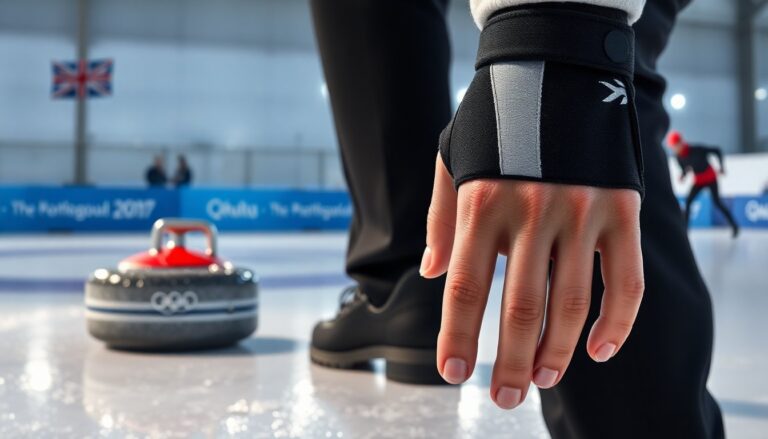
Team GB produced a blend of promise and disappointment on 15/02/2026 at the Winter Olympics. The headline moment came in curling, where Bruce Mouat and Jen Dodds missed a medal in mixed doubles by a narrow margin. British athletes also competed in freestyle skiing, biathlon, short track speed skating and cross-country skiing, while several debutants gained experience on the Olympic stage.
This report summarises key results, competitor reaction and the immediate outlook for athletes still in contention. It focuses on outcomes from the fourth day of competition and the likely implications for forthcoming events.
Curling: agonisingly close in mixed doubles
Curling: agonisingly close in mixed doubles
Bruce Mouat and Jen Dodds lost the mixed doubles bronze match to the Italian hosts, 5-3. The British pair trailed 3-1 at mid-match but remained within reach entering the final end.
Italy held the hammer on the last end and executed a decisive power play, converting their advantage into the winning points that denied Great Britain a medal in the discipline.
The outcome mirrored the disappointment of the previous Olympic cycle. Both athletes described the result as narrow and acknowledged the event’s rapidly tightening margins.
I’ve seen too many teams come up short in tight formats; the difference here was execution under the final-end pressure. Mouat and Dodds will refocus on their separate team events, with Mouat returning to competition the following day.
Coaches and teammates emphasised a short turnaround. The pair intend to prioritise the remainder of the tournament and apply lessons learned from the mixed doubles campaign.
What the result means for team gb
The defeat will not alter Team GB’s status as a European contender in winter sport. The pair’s experience in tight matches will feed into the wider men’s and women’s campaigns. Match situations reinforced how tactical tools such as the power play and the strategic use of the hammer determine outcomes in high-level curling.
Coaches will analyse end-by-end decisions and risk management. Small margins decided the bronze match. Expect adjustments to shot selection and ice-reading before the next session. The pair intend to prioritise the remainder of the tournament and apply lessons learned from the mixed doubles campaign.
I’ve seen too many teams prize style over fundamentals. Teams that refine basics under pressure usually convert close losses into future wins. Growth data tells a different story: consistent execution at key moments correlates with podium success.
Freestyle skiing and moguls: second chances and lessons learned
Moguls qualifiers: second chances for Gerken Schofield and Jeannesson
Makayla Gerken Schofield and Matéo Jeannesson each moved into the secondary qualification round after finishing 18th and 28th in their heats. The result gives both athletes an additional route into the final. Judges in moguls events often allow small margins to determine who advances. The secondary round offers a renewed opportunity to improve scores and advance deeper into the competition.
Gerken Schofield said she focused on enjoying the run and managing pressure. She described treating the first attempt as part of the process, which helped her stay composed and benefit from the lifeline provided by the second round. Jeannesson, making his Olympic debut, acknowledged specific technical errors on his opening run, notably a flawed top-air exit. He said he planned to correct those details before his next attempt.
Technical focus for improvement
Both athletes signalled small, concrete adjustments rather than wholesale changes. In judged freeride formats, minor tweaks to line choice, air exits and compression can move a score significantly. Coaches will prioritise clean landings and stronger top-air exits while preserving amplitude and flow.
Anyone who has launched a product knows that iterative fixes matter more than big pivots. I’ve seen too many startups fail to respect the value of small, repeatable improvements; the same applies on the hill. Growth data tells a different story: consistent execution at key moments correlates with podium success.
For Gerken Schofield and Jeannesson, the next runs will test whether targeted technical corrections translate into higher marks. Both athletes demonstrated the resilience required in judged sports where marginal gains decide outcomes.
Both athletes demonstrated the resilience required in judged sports where marginal gains decide outcomes. The moguls discipline rewards precision in turns, air maneuvers and sustained speed. For these competitors, refining landing mechanics and maintaining rhythm through the bumps will be central to turning second-chance starts into final-round scores. Treating qualification runs as practical rehearsals rather than one-off tests is a positive sign for their progression through the event.
Debutants and other results across the programme
Several Team GB competitors recorded first-time Olympic experiences or faced narrow setbacks across other disciplines. Jacques Jefferies made his Olympic debut in the biathlon, placing 79th in the men’s 20km individual. He described mixed feelings: pride at wearing the national colours and clear targets for improvement. Jefferies singled out skiing speed as the main performance gap to address before the sprint event.
Anyone who has launched a product knows that iteration beats perfection. That applies to Olympic sport as well: athletes who treat early rounds as testbeds can convert feedback into measurable gains. The willingness to experiment under pressure separates those who plateau from those who progress.
The willingness to experiment under pressure separates those who plateau from those who progress. Niall Treacy was eliminated from the 1000m short track heat after a collision with Canada’s Steven Dubois. Officials assigned shared responsibility and denied advancement, leaving Treacy visibly frustrated after a congested, tactical race.
On the cross-country course, James Clugnet placed 45th in the men’s classic sprint after leading out the qualification. Anna Pryce recorded a 32nd-place finish, the current best result for Great Britain in the women’s event.
These results underline the fine margins at Olympic level: small technical errors and split-second contact decide outcomes. I’ve seen too many startups fail to iterate; in high-performance sport, the same principle applies. Growth data tells a different story: measured adjustments after setbacks more often yield durable gains than one-off gambles.
Team GB coaches now have concrete targets for refinement—starts, positioning in congested heats, and sprint endurance. Anyone who has launched a product knows that rapid testing and honest post-mortems matter. With several athletes scheduled to return to competition imminently, Team GB will aim to turn these lessons into improved performances over the coming sessions.
