

Joint findings from the uk, sweden, france, germany and the netherlands point to a lethal dart frog toxin in navalny’s remains and call for accountability under chemical weapons conventions.
Five Western governments have concluded that Alexei Navalny died after being poisoned with a rare frog-derived alkaloid, officials announced at the Munich Security Conference.
Ministers from the United Kingdom, Sweden, France, Germany and the Netherlands said joint laboratory work and independent analyses carried out across several countries point to deliberate contamination.
Tests on Navalny’s biological samples detected epibatidine, a powerful compound normally found in the skin secretions of certain South American poison dart frogs. The chemical is not native to Russia, the ministers noted, and they argue the circumstances of his death while held in a Siberian penal colony make accidental exposure unlikely.
According to the statement, only an actor with state-level resources would plausibly have the means, motive and opportunity to introduce such an exotic toxin into a detained prisoner’s environment.
What the tests found and why it matters
Toxicologists say epibatidine binds tightly to nicotinic acetylcholine receptors in the nervous system.
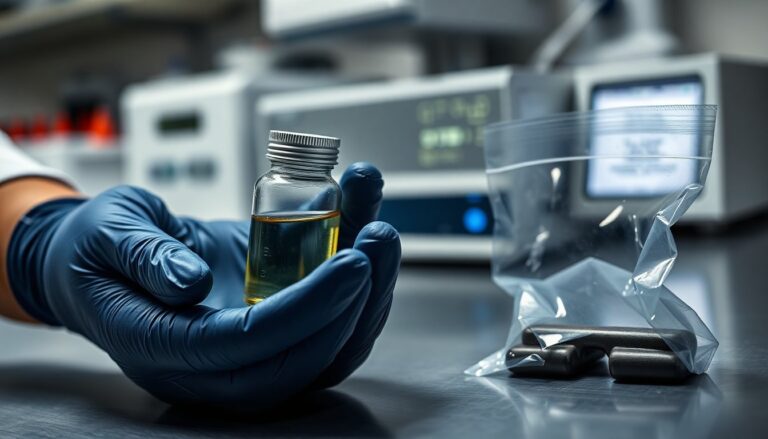
Even tiny amounts can disrupt nerve signalling, causing muscle paralysis, respiratory failure and altered consciousness—symptoms consistent with a poisoning event and at odds with the official Russian explanation that Navalny died of natural causes. Detecting such a potent molecule requires meticulous sample handling and high-precision tools, typically mass spectrometry, to avoid contamination and false positives. The five governments said multiple independent laboratories verified the findings to strengthen confidence in the result.
International response and legal implications
By framing the presence of an exotic poison as incompatible with accidental exposure, the joint statement shifts the matter from a medical incident into the realm of criminal and diplomatic consequence. That shift matters: it changes what investigators look for, which legal pathways might open—and what steps governments are willing to take in response.
Investigators will need secure access to biological samples, medical records and the detention site to preserve chains of custody and to build any prosecutable case. The five governments have notified the Organisation for the Prohibition of Chemical Weapons (OPCW) and requested a technical-assistance and fact-finding mission that would include independent laboratory verification. Policy responses under consideration range from targeted sanctions on individuals linked to chemical programs to tighter controls on transfers of dual‑use chemicals and related technologies. Legal options could include referrals to international courts or treaty-based compliance mechanisms, depending on findings from the OPCW and on coordinated decisions among the signatories.
Diplomatic and political reactions
At Munich, Britain’s foreign secretary publicly addressed the findings and met with Yulia Navalnaya. British officials said they will not tolerate conduct that threatens democratic voices or public safety, portraying Navalny as a perceived political threat to the Kremlin and characterizing the use of a toxin as an attempt to silence dissent by extreme means. Senior British politicians from across the spectrum expressed strong reactions: the prime minister praised Navalny’s courage and vowed continued pressure on Russia, while opposition leaders urged a robust international response.
Historical context and broader security concerns
The discovery revives memories of other high-profile poisonings attributed to state actors and raises broader questions about the proliferation and use of exotic toxic agents. Using a substance typically associated with tropical amphibians underscores how trace chemistry can illuminate supply chains and logistical footprints—linking a single forensic finding to wider networks and intent. That linkage makes forensic work more than a scientific curiosity; it becomes a central tool for attribution and accountability.
Coordinated disclosure and the path ahead
The coordinated announcement by five European governments raises the diplomatic stakes and puts pressure on international institutions to verify the scientific claims independently. Further forensic, legal and diplomatic work is under way: investigators and international bodies will need unimpeded access and transparent processes to corroborate the laboratories’ results and to determine next steps. Whatever follows, these findings have already reshaped the narrative around Navalny’s death—from an unexplained tragedy to an allegation with technical evidence that demands serious international scrutiny.
