

A practical overview of how improved buses, more trains, mass transit, walking and cycling, cleaner energy and workforce development can create a dependable, future-ready region.
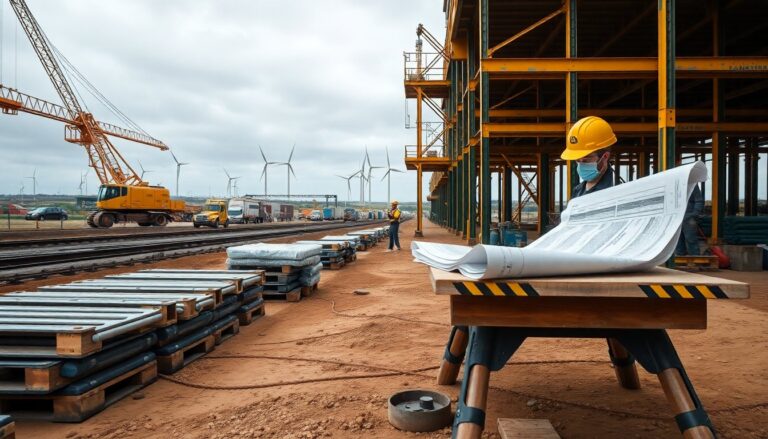
The West of England is entering a busy phase: population growth and rising economic activity are driving stronger demand for everyday travel, power and infrastructure. Our review of regional plans and major projects suggests a simple recipe for resilience—bring together a coherent transport strategy, low‑carbon power expansion and a steady pipeline of civil‑engineering work.
Predictable, large‑scale programmes—Hinkley Point C being the most obvious example—shape investor confidence in local contractors and training providers. Over the long run, dependable services, faster decarbonisation and sustained skills development are what will keep the region’s economy moving and the air cleaner.
The numbers
– Transport plans push for services that are affordable and frequent, ideally wrapped up under “one ticket, one timetable.” Proposals on the rail side include more frequent trains, new stations and a transition to low‑emission rolling stock—changes that shorten journeys and cut local pollution.
– Hinkley Point C is planned to deliver about 3,260 MW of capacity, with an operational life often cited at roughly 60 years; planners estimate its output could meet the equivalent demand of around six million homes.
– Skills programmes aim to funnel thousands into construction roles, supported by apprenticeships described by stakeholders as “skills for life.”
Market context
National energy investments and recent policy shifts set the operating backdrop for the region. Faster decision cycles and clearer project pipelines nudge contractors to scale up capacity and take part in bidding. Trade bodies—CECA and the Construction Leadership Council among them—help shape procurement and delivery standards that in turn influence which local projects get traction.
Variables at play
Three practical levers drive outcomes: the predictability of funding, the speed of planning consents and the availability of a trained workforce. Gaps in civil‑engineering skills or stop‑start financing tend to raise costs and stretch timelines. Meanwhile, environmental constraints and decarbonisation targets force new procurement approaches and call for specialist expertise. Supply‑chain pinch points—for materials or specialised plant—can ripple through schedules and budgets.
Sector impacts
Better transport eases congestion, lowers emissions and broadens access to jobs. A high‑capacity mass‑transit backbone would concentrate passenger flows and make local feeder services far more efficient. Upgrades for active travel—expanded walking and cycling networks plus wider access to e‑bikes and e‑scooters—can cut short car trips. On the energy side, large projects expand local capacity and create demand for specialist contractors, unlocking apprenticeship and longer‑term career routes through local training centres and Centres of Excellence.
Outlook
When transport, energy and skills are planned together, projects are likelier to hit deadlines and deliver stronger value for money. That clarity breeds investor confidence in regional supply chains. Ultimately, the region’s trajectory will hinge on continued coordination across local authorities, industry groups and national programmes. Watch closely for how rail upgrade sequencing aligns with delivery milestones on big energy projects—those timings will tell you whether the West of England is on course to reduce emissions and make daily journeys better for people who live and work there.
