

A compact briefing on the main military advances, negotiations in Geneva and political incidents shaping the conflict on February 17, 2026.
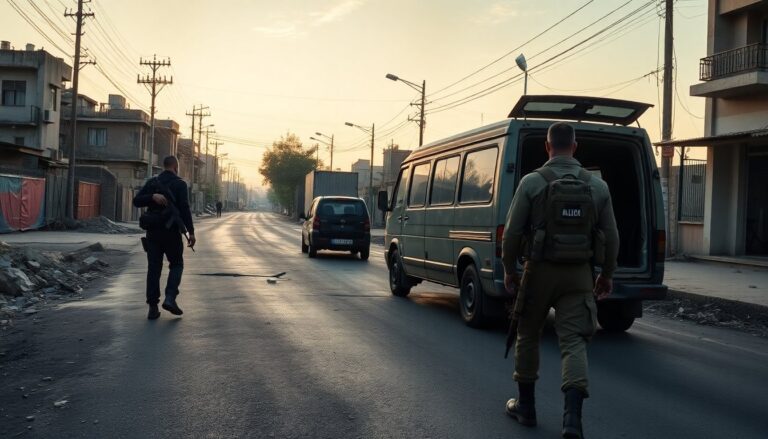
February 17, 2026 — Fighting on the ground and in the air, diplomatic maneuvering and fresh rounds of military and political fallout marked another volatile day in the Russia–Ukraine conflict. Frontline skirmishes, long‑range strikes, supply disruptions and high‑profile legal cases all fed into a shifting picture that governments and independent monitors are still trying to verify.
Frontline momentum and air warfare
– Open‑source analysts and official briefings point to localized Ukrainian advances and Russian counterattacks across several sectors. Geolocated videos and satellite imagery cited by monitoring groups helped build the picture, but access remains limited in active combat zones.
– Air activity continues to play a prominent role. Kyiv reported a wave of long‑range aerial strikes, while Moscow said its defences intercepted dozens of incoming drones and missiles. Both sides offered conflicting tallies: Ukraine warned of 62 strike drones and six missiles launched at its territory; Russian state media claimed some 345 Ukrainian drones were neutralized in the previous 24 hours.
Independent verification of either claim is patchy.
– Analysts say sustained drone and missile barrages strain air‑defence systems and supply lines, forcing commanders to adapt tactics. Civilian infrastructure near fighting zones has suffered disruptions, complicating humanitarian access.
Territorial gains and the role of battlefield communications
– An ISW analysis cited by AFP concluded Ukrainian forces retook roughly 201 sq km (78 sq miles) from Russian control over a four‑day span last week. The report links part of that success to a temporary communications disruption that degraded Russian unit coordination, including interruptions affecting Starlink‑dependent links.
– Military commentators caution that such gains can be fragile: once communications are restored and positions are reinforced, frontlines often recalibrate. The
Black Sea port damage and regional ripple effects
– Regional authorities in Krasnodar reported a fire at the port of Taman after what they described as a Ukrainian drone strike. Emergency teams later extinguished the blaze, but officials said storage and handling facilities—used to transship oil products, grain and other cargo—were damaged, disrupting loading schedules and reducing short‑term berth availability.
– The incident has raised alarms among traders and logistics firms about Black Sea export routes. Insurers and shipping companies are monitoring potential knock‑on effects on supply chains and rerouting decisions; satellite imagery and independent on‑the‑ground confirmation are still expected.
Energy transit tug‑of‑war and Central European tensions
– A halt in deliveries through the Druzhba pipeline—which carries crude to parts of Central Europe—has prompted Hungary and Slovakia to ask Croatia for help securing alternative transit and storage options. Both countries rely on narrowly drawn EU sanctions exemptions that permit limited pipeline imports, and the disruption has intensified diplomatic friction between affected capitals.
– Kyiv’s foreign minister shared images from the Taman aftermath and suggested Russian responsibility. Slovakia’s prime minister, Robert Fico, accused Ukraine of dragging its feet on repairs to leverage political pressure. Officials in Budapest and Bratislava say their exemptions legally justify seeking bilateral assistance while technical fixes are arranged.
– Energy analysts warn that mounting export restrictions on Russian oil, combined with filling storage tanks, could force Moscow to trim output in the months ahead—an outcome that would shrink export revenues and add volatility to global markets.
Diplomacy in Geneva and back‑channel signals
– Trilateral talks in Geneva brought Ukraine’s negotiator Rustem Umerov together with U.S. and Russian delegations. Moscow’s team reportedly included presidential aide Vladimir Medinsky, military‑intelligence figures and senior diplomats; Kremlin spokesman Dmitry Peskov said the agenda would touch on both humanitarian and territorial matters.
– The presence of military‑intelligence officials in talks suggests Russia aims to tie humanitarian measures to security guarantees. At the same time, separate economic sessions—attended by Russia’s economic envoy Kirill Dmitriev—underscore that economic consequences remain on the table. Several capitals are preparing contingency plans in case negotiations stall.
Legal probes and political reverberations
– Ukraine’s anti‑corruption agency detained former energy minister German Galushchenko as he tried to leave the country, opening an investigation into alleged money‑laundering, membership in a criminal organisation and concealment of assets abroad. NABU says it is coordinating with authorities across 15 foreign jurisdictions to trace assets and transactions.
– In a related human‑rights and diplomatic footnote, France accepted anti‑Kremlin activists Alexei and Nadezhda Ishimov for humanitarian protection after U.S. immigration checks temporarily blocked their departure. The move shifts a small but sensitive piece of the wider political landscape.
What this means now
– The day’s developments reflect how interlinked combat operations, logistics and politics have become. Tactical shifts on the battlefield affect energy routes and diplomatic calculations, while legal cases and port disruptions feed into public trust and market sentiment.
– Many claims remain contested and independent verification is ongoing. Officials repeatedly say technical assessments and repair timetables are still under review as investigators and observers try to piece together a fuller, corroborated account.
Who: Russian and Ukrainian forces, allied governments, international monitors. What: active combat, aerial strikes, diplomatic talks, energy‑supply disruptions and legal probes. Where: eastern frontlines, the Black Sea region, Central Europe and Geneva. Why: the conflict persists, external support and infrastructure damage are reshaping operations, and political fallout is driving new rounds of policy and legal action.
