Prime Minister Keir Starmer is due in Wales after the government reinstated 30 postponed council elections following legal advice and a legal challenge by Reform UK; he will also back a package of rail investments
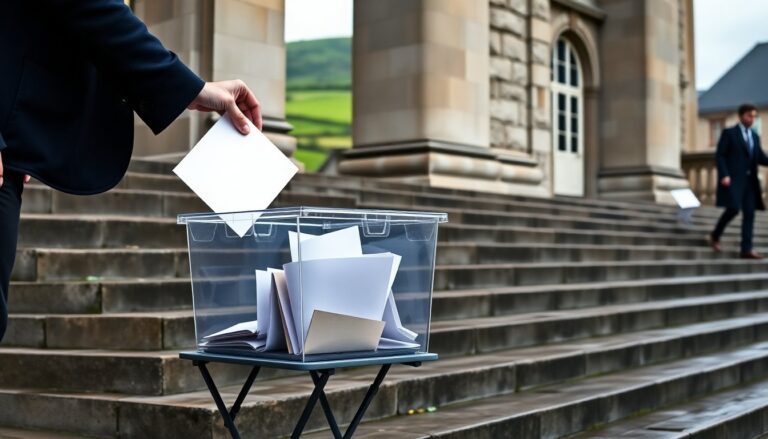
Keir Starmer made his first public appearance since ministers backtracked on plans to postpone a tranche of local elections, turning up in Wales as the political temperature around the decision continued to rise. The government announced that 30 English council polls, previously delayed, will now take place in May 2026 after receiving legal advice prompted by a court challenge from Reform UK.
The Ministry of Housing, Communities and Local Government said ministers concluded councils needed certainty and therefore the elections should go ahead as originally scheduled. Reform UK hailed the outcome as a win for democratic safeguards, and the government agreed to cover the party’s legal costs.
Critics, meanwhile, dismissed the reversal as yet another high-profile U‑turn by the administration.
Reactions within Labour were not uniform. Scotland’s leader, Anas Sarwar, warned Downing Street has made “too many mistakes” and demanded accountability. By contrast, Welsh Labour figures, including Baroness Eluned Morgan, urged a broader view: leadership should be judged on delivery for Wales rather than on isolated errors.
Local government bosses reacted more practically — and anxiously. Council chiefs and mayors warned that the last-minute change has thrown election planning into turmoil. The District Councils’ Network warned of “an unnecessary race against time” to secure polling venues, recruit staff and sort communications. Electoral officers echoed those worries, saying the rushed timetable leaves little room for error and could heighten the risk of administrative problems and voter confusion.
Officials point out the immediate burdens are tangible: extra work, compressed deadlines and more pressure on already overstretched teams. The political fallout is harder to quantify, but lower turnout or weakened public trust could have ripple effects for parties and for local governance over the long run.
Legal analysts say the court challenge has tightened scrutiny over ministers’ power to alter electoral timetables. Expect future decisions about postponing polls to face closer legal testing. Across the political spectrum, senior figures urged clearer rules, better contingency planning and predictable deadlines so councils can prepare properly. Local government representatives also want transparency on any extra funding and assurances that short-term fixes won’t undermine longer-term devolution deals.
Ministers originally argued the postponements would help councils manage a major local government reorganisation — a restructuring officials describe as the most significant in decades. But those same staffing and planning pressures that justified the delay are now complicating the hurried reinstatement of the polls. Local Government Secretary Steve Reed acknowledged the strain and announced up to £63 million in capacity funding for 21 areas undergoing change, on top of £7.6 million already provided to develop proposals. Council leaders welcomed the money but warned that cash alone won’t remove the uncertainty surrounding devolution arrangements or long-term projects tied to mayoral authorities.