

Tigray’s displaced populations and young people are preparing to flee again as tensions between Ethiopia and Eritrea, accusations of troop presence and painful wartime memories make the prospect of a new war increasingly real
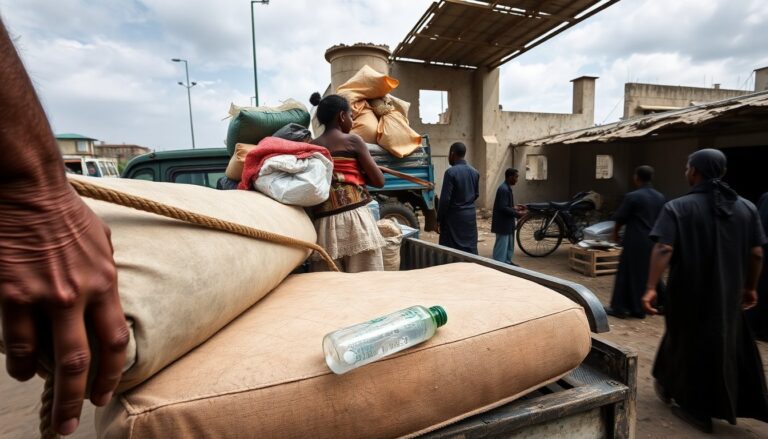
Tigray is slipping back under a gray cloud. For many who survived the 2020–2022 war and the fragile truce that followed in 2022, peace feels brittle. In Mekelle, young people and displaced families are preparing to leave again. Rumours and formal claims about troop movements swirl through neighbourhoods, fuelling a quiet but widespread fear that the region could be pulled back into fighting.
The physical aftermath is unmistakable. Roofs and wards of once-busy health centres stand ruined or barely functional. Schools shuttered during the conflict have not fully reopened. Streets that used to hum with trade and conversation are subdued. Those material losses sit alongside a less visible but pervasive reality: trauma at household and community levels.
Between damaged services and increasingly sharp rhetoric between Addis Ababa and Asmara, people worry that yesterday’s violence could reappear.
Daily life in Mekelle has narrowed. In areas close to administrative centres, movement feels constrained and market supplies are thinner. Cafés and stalls that drew students, traders and visitors are quieter; the local economy is still on its knees.
Faced with this uncertainty, many youths weigh a grim choice: stay and hope services and security return, or set off toward displacement or migration into an unpredictable future.
Makeshift camps and informal settlements remain stark reminders of that choice. Internally displaced families squeeze into shared shelters, stretching scarce water, sanitation and household resources and increasing tensions with host communities. Humanitarian workers warn that shelter, food, medical care and legal assistance remain urgently needed as wintering months and disease risks approach.
The health system bears particularly deep wounds. Humanitarian estimates suggest more than four in five hospitals suffered damage or destruction during the fighting. Combined with months of unpaid public salaries and broken referral networks, clinics are understaffed and overwhelmed. Patients face longer waits, fewer treatment options and limited access to surgery or chronic-care services. Children, pregnant women and people with long-term illnesses are especially exposed.
Clinical and public-health evidence shows what happens when care is interrupted: chronic conditions worsen, and mental-health problems deepen. Restoring services needs to match the realities of displacement and high mobility. Mobile clinics, targeted cash assistance and accessible legal support can ease immediate pressures and help keep people from taking dangerous migration routes.
Political tensions are another tinderbox. Recent Ethiopian statements about access to the Red Sea and Assab port alarmed Eritrean authorities, who saw the remarks as challenging their sovereignty. Addis Ababa, for its part, accuses Eritrean forces of operating near border towns and backing armed groups inside Ethiopia; Eritrea denies those allegations. Independent verification of troop movements is scarce, which makes it easy for misunderstandings to escalate and for each side’s rhetoric to inflame public sentiment.
Diplomacy is frayed. Without impartial monitors and reliable lines of communication, small border incidents might spiral quickly. Damaged infrastructure, unpaid salaries and unresolved local grievances increase the risk that community-level tensions could expand into broader instability.
The human cost remains acute. Survivors, aid organisations and community leaders recount patterns of displacement, abuses and family separations that echo earlier waves of violence. Places like Axum still carry the memory of mass killings and other grave violations. Many families cannot find elderly relatives taken during chaotic departures or people abducted across borders.
Rebuilding trust will take more than repairs to buildings. Independent monitors and rights groups call for sustained access for investigators, robust family-tracing mechanisms and clear avenues for reparations. At the same time, practical measures — restoring health and education services, restarting salary payments, and delivering targeted humanitarian aid — are essential to help communities breathe more easily again.
The physical aftermath is unmistakable. Roofs and wards of once-busy health centres stand ruined or barely functional. Schools shuttered during the conflict have not fully reopened. Streets that used to hum with trade and conversation are subdued. Those material losses sit alongside a less visible but pervasive reality: trauma at household and community levels. Between damaged services and increasingly sharp rhetoric between Addis Ababa and Asmara, people worry that yesterday’s violence could reappear.0
