Clare Balding fronted the BBC's 2026 Winter Olympics output in Milan‑Cortina, winning admiration from fellow broadcasters and prompting debate after past on‑air exchanges; this article summarises colleagues' reactions, Team GB successes and the broader public conversation
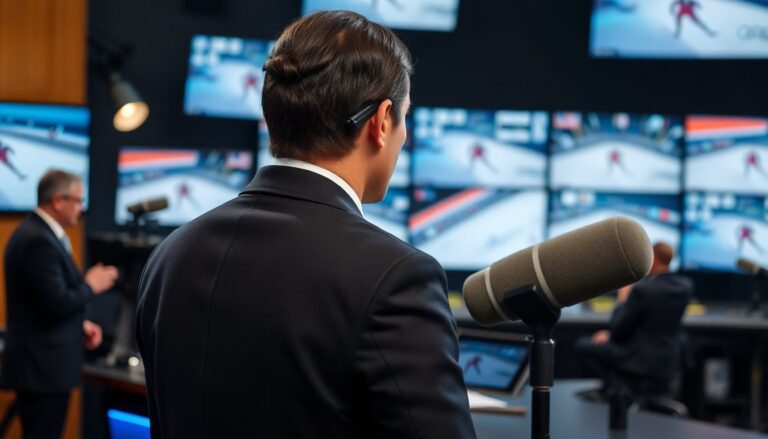
At the Milan‑Cortina Winter Olympics in 2026, the BBC put a familiar voice at the heart of its coverage: Clare Balding. She anchored studio shows, stepped into live commentary and quietly coached less experienced colleagues — a blend of duties that drew warm praise from peers and viewers alike, while also reigniting debates about on‑air tone and representation that often accompany high‑profile broadcasting roles.
A fixture at the corporation since 1994, Balding’s longevity brings both advantages and vulnerabilities. Colleagues admire the steadiness she brings to chaotic live shows and the way she passes on practical know‑how. Chemmy Alcott, the former Team GB downhill skier turned presenter, called Balding “an icon” and described working alongside her in Milan‑Cortina as a “pinch me” experience.
Presenters who trained under her — among them Alex Scott, who publicly thanked Balding after her first full Olympics stint in Tokyo — speak of hands‑on coaching in pacing, interview technique and the quick judgment calls that live sport demands.
That kind of informal mentorship shapes how a broadcasting team copes with the pressure of major events.
Production staff and senior figures point to the value of institutional memory: seasoned presenters like Balding not only handle interviews and transitions but help newcomers read the rhythm of a long, intense schedule. The result is a more resilient on‑air team that can keep coverage smooth when the unexpected happens.
Balding’s resume is wide: from anchoring Wimbledon after Sue Barker’s departure to fronting winter multi‑sport coverage, she has been a go‑to presenter for the BBC across seasons. Colleagues highlight her calm delivery and ability to switch between technical explanation and human storytelling — a useful combination when viewers need both the how‑and‑why of a result and the emotional arc behind it.
Yet with visibility comes scrutiny. During Paris 2026 swimming coverage, an exchange in which Balding sounded surprised by a former Olympian’s recollection of their school days prompted a wave of criticism online. Some commentators read the moment as reflecting assumptions about class and background. The incident quickly moved beyond a single clip: it fed a wider conversation about how personal histories and unconscious bias can shape spontaneous reactions on live television.
Colleagues rallied to Balding’s defence. Gabby Logan, among others, reminded audiences that the on‑air team includes people from varied backgrounds and urged critics to consider isolated remarks in context. The BBC issued a short statement acknowledging viewer concerns and reiterating its commitment to inclusive coverage. Media analysts noted the familiar pattern: live television compresses nuance into seconds, and social platforms amplify misunderstandings almost instantly.
The timing of the controversy — coinciding with a strong medal haul for Team GB — underlined how broadcasting choices are examined more closely when national interest peaks. Britain’s winter stars pulled in viewers: Matt Weston opened the tally with a commanding skeleton gold, while Charlotte Bankes and Huw Nightingale added snow titles that felt like a new chapter for the nation at the Winter Games. Those moments made editorial decisions about tone and framing more consequential; commentators and studio teams framed the achievements as defining, which only intensified scrutiny over how those stories were told.
Industry voices say this episode is part of a broader shift rather than an isolated storm. Broadcasters are under growing pressure to balance immediacy with sensitivity — to narrate fast‑moving events while being mindful of representation and language. Practical responses are emerging: tighter briefing procedures before shifts, clearer escalation protocols for contentious calls, more structured handovers between senior and junior talent, and additional training for technical specialists who might be brilliant in their discipline but less practiced in studio conversation.
Experts also stress the editorial work that happens behind the scenes. Producers and editors are reassessing guidance for live commentary, updating checklists and integrating more specialist analysts to reduce the burden on a single presenter to explain technicalities and context simultaneously. The aim is straightforward: preserve the momentum and excitement of live sport while reducing the chances that a split‑second remark derails the narrative.
For Balding, the mix of praise and critique is familiar territory for someone so visible for decades. Supporters point to her mentoring record and calming presence during tense broadcasts; critics point to moments that invite reflection about how national figures talk about identity and experience on air. Both perspectives feed a healthier conversation about standards in live broadcasting: how to train, when to correct course and how to hold fast to the storytelling that keeps viewers engaged.
A fixture at the corporation since 1994, Balding’s longevity brings both advantages and vulnerabilities. Colleagues admire the steadiness she brings to chaotic live shows and the way she passes on practical know‑how. Chemmy Alcott, the former Team GB downhill skier turned presenter, called Balding “an icon” and described working alongside her in Milan‑Cortina as a “pinch me” experience. Presenters who trained under her — among them Alex Scott, who publicly thanked Balding after her first full Olympics stint in Tokyo — speak of hands‑on coaching in pacing, interview technique and the quick judgment calls that live sport demands.0