

Ben Lynch delivered one of Ireland’s best Olympic winter performances, landing eighth in the men’s freestyle skiing halfpipe final at Milano Cortina 2026 with a top score of 75.00
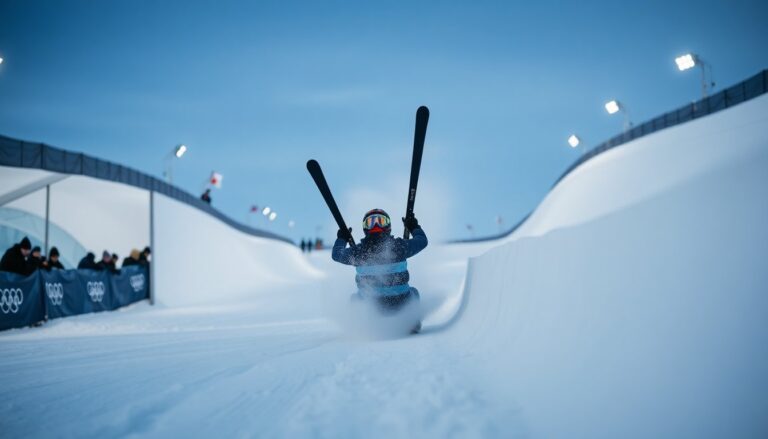
Livigno delivered one of the neatest storylines of Milano Cortina 2026’s freestyle halfpipe: Ireland’s Lynch climbed into the top 10, finishing eighth after a calm, clinical third run that scored 75.00. The final itself was a study in margins — Alex Ferreira took gold with 93.75, Henry Sildaru silver on 93.00, and Brendan Mackay bronze at 91.00 — and it underlined how tiny differences in execution separate podiums from the rest of the field.
A composed comeback
After two runs that didn’t hit his target, Lynch changed the script. His third attempt matched his qualifying mark of 75.00 and showcased cleaner landings, solid amplitude and tidy trick execution. The judges’ notes highlight the run’s landing stability and preserved speed through the pipe — the qualities that turned a good attempt into a career-best Olympic result for an Irish freeskier.
What the records show
Official score sheets, judge annotations and broadcast clips all point to the same conclusion: Lynch’s score came from improved execution rather than a sudden jump in trick difficulty. Across his competition weekend the data show fewer form deductions and steadier rotations.
Telemetry and timing logs line up with the video: slightly higher entry speed, sharper grabs, and compact landings reduced bounce and kept rotations true. Those incremental technical gains made the difference.
How the final played out
The final followed a familiar three-act pattern. Athletes opened conservatively to post a safety score, then dialed up difficulty as the field tightened. Ferreira balanced amplitude and risk better than anyone — big airtime combined with near-flawless landings won him the event. Sildaru matched the trick list but paid marginally more for execution errors. Mackay’s clean but somewhat less ambitious runs left him just short of the top two. Judges’ frame-by-frame notes show deductions measured in quarters of a point — tiny slips that ultimately decided medal order.
The team behind the run
Lynch’s leap wasn’t solo. Coaches adjusted run strategy between attempts, support staff fine-tuned equipment, and analysts fed back split-second corrections. The judges and event technical committee applied the scoring rubric consistently; no protests followed the results. Together, those elements — athlete, coaches, technicians and officials — shaped the tactical, lower-risk approach that earned Lynch his score.
Why it matters for Ireland
This top-eight finish matters beyond a single result. For a country with modest winter-sport infrastructure, Lynch’s performance provides tangible evidence that disciplined execution and focused preparation can close gaps with traditional powers. National federations and potential sponsors are already re-examining how they allocate resources: more targeted coaching, access to international training blocks and investment in execution-focused drills look likely. At grassroots level, the run could inspire interest in freeski disciplines that previously felt out of reach.
What comes next
Lynch and his team plan to build on Livigno. Expect World Cup entries, technical debriefs and targeted training camps aimed at holding execution gains while gradually expanding trick difficulty. For federations and funders, upcoming competitions will be a test: will this be the start of a steady climb, or an impressive one-off? Either way, Lynch’s run provides a benchmark — both for selectors watching for consistency and for coaches shaping athletes who can deliver under pressure.
A wider effect on the sport
Livigno also nudged technical conversations across teams. Judges’ sheets and video analyses from the final highlight how execution increasingly trumps raw difficulty when margins are razor-thin. Federations will likely emphasize landing stability and speed retention in training, while event organisers and rule-makers may revisit deduction guidance to ensure panels can distinguish between two nearly identical, high-difficulty runs. Broadcasters and sponsors, meanwhile, will spotlight the rivalries and storylines that emerged here. The run didn’t rely on a flashy trick upgrade so much as cleaner execution and smarter risk management. If those gains hold up in the seasons ahead, Livigno may prove less a one-off and more the start of something new for a growing winter-sport program.
