

Discover Otroverts: A Unique Social Identity Beyond Traditional Classifications Otroverts represent a progressive social identity that transcends conventional labels. This innovative classification embraces diversity and fosters inclusivity, allowing individuals to connect on a deeper level. By understanding otroverts, we can appreciate the complexities of human identity and the rich tapestry of social interactions that define our communities.
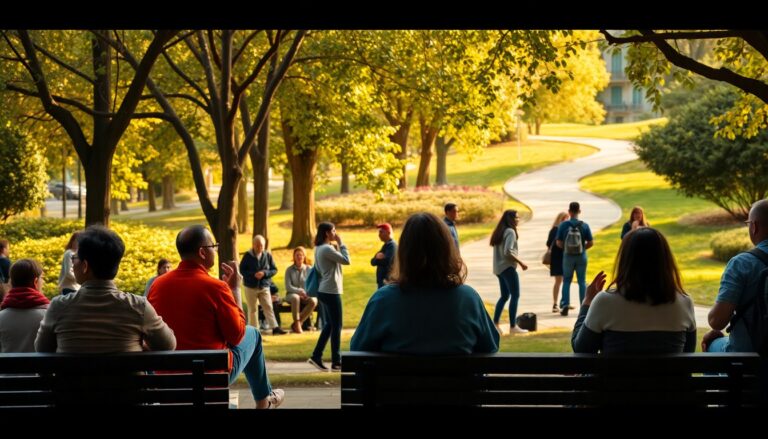
In the diverse landscape of personality types, people are often categorized as either introverts or extroverts. While some thrive on daily social interactions, others may feel drained after a single outing. The emergence of the term otrovert introduces a new perspective on social behavior, capturing the experiences of those who do not comfortably fit into these traditional molds.
The term otrovert combines the Spanish word otro, meaning ‘other,’ with the Latin vert, which translates to ‘turn.’ This designation reflects the unique orientation of these individuals, who navigate the social sphere differently than typical introverts and extroverts. Coined by psychiatrist Dr.
Rami Kaminski, the concept seeks to explain the feelings and experiences of those who identify as outsiders in social settings, despite their friendly demeanor.
The roots of otroverts
Dr. Kaminski, affiliated with Mount Sinai Hospital in New York City, describes his own journey as a pseudo-extrovert.
He was sociable and engaging, yet he never fully connected with the interests that captivated his peers, such as team sports or pop culture. This sense of detachment led him to explore the idea of otherness, which he later refined into the concept of otrovert.
Understanding the otrovert experience
Otroverts often display a friendly and empathetic nature, yet they grapple with a profound sense of being different from those around them. Dr. Kaminski articulates this experience as akin to an outsider masquerading as an insider. He founded the Otherness Institute to formalize his research and assist others who resonate with this identity in navigating their social lives.
In his exploration of this concept, Kaminski developed a brief questionnaire to help individuals determine whether they align with the traits of an otrovert. This tool offers a simple way for those who feel disconnected from conventional social dynamics to gain insight into their unique identity.
Characteristics of otroverts
At the core of the otrovert identity lies a diminished need for group affiliation. While they can engage in social activities, these interactions are often perceived as performative and can leave them feeling exhausted. Consequently, otroverts find solace in quieter moments spent with a select few or in one-on-one interactions.
Social dynamics and self-perception
Dr. Kaminski posits that identities, such as nationality or religion, are typically learned, yet otroverts seem to exist outside this cultural conditioning. His research, validated by biostatisticians, provides a language for many who have long felt a sense of otherness. Unlike the established category of ambiversion, which describes a blend of introverted and extroverted traits, otroversion denotes a fundamental feeling of being an outsider.
As otroverts navigate social circles, they often excel at blending in, appearing charismatic and socially adept. However, this performance can be mentally taxing. Dr. Kaminski argues that the loneliness often associated with a lack of group belonging is more pronounced in those who derive their identity from communal relationships, rather than in otroverts, who are accustomed to self-reliance.
Finding fulfillment as an otrovert
As individuals age, they may discover that the pressures to conform to social structures diminish, allowing otroverts to thrive. Dr. Kaminski emphasizes that for those who have never felt a deep connection to a group, the absence of belonging does not equate to loneliness. Instead, their independence becomes a source of strength.
Kaminski’s experiences as an otrovert have led him to pursue solitary interests like medicine, gardening, and nature photography. These activities reflect a life lived authentically, away from the performative expectations of fitting into social groups.
The term otrovert combines the Spanish word otro, meaning ‘other,’ with the Latin vert, which translates to ‘turn.’ This designation reflects the unique orientation of these individuals, who navigate the social sphere differently than typical introverts and extroverts. Coined by psychiatrist Dr. Rami Kaminski, the concept seeks to explain the feelings and experiences of those who identify as outsiders in social settings, despite their friendly demeanor.0
