

Floyd Mayweather and Manny Pacquiao will square off again on Sept. 19 at the Sphere in Las Vegas, with the contest airing live on Netflix and produced by a consortium including EverWonder Studio
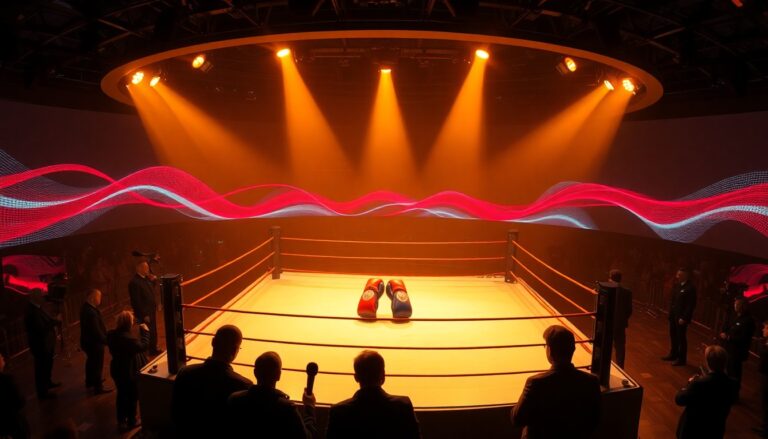
A blockbuster boxing rematch is on the calendar — and the industry is watching. On Sept. 19, Floyd Mayweather and Manny Pacquiao are set to meet again at the Sphere in Las Vegas, with Netflix carrying the live worldwide stream. That single line-up — two household names, an immersive venue and a global streamer — creates a rare opportunity to test new economics for premium live sport.
The scale and the stakes
– This isn’t a routine fight night. The Sphere’s immersive capabilities and Netflix’s global footprint promise an event that prioritises spectacle and mass reach over the old pay‑per‑view-only model. That creative and distribution mix changes how promoters, venues and platforms will try to extract value.
– For both fighters it’s about legacy as much as revenue: Mayweather’s undefeated professional narrative and Pacquiao’s bid to rewrite history supply a tidy marketing hook that drives attention — and, by extension, commercial interest.
Revenue models: more strands than before
– Promoters are planning a multi‑stream monetisation strategy: ticket sales and premium seating at the Sphere, sponsorship packages, merchandising, international licensing and subscription-driven streaming revenue.
– Where the first encounter leaned heavily on pay‑per‑view buys (often cited in public estimates at hundreds of millions), this rematch layers subscription access and hybrid windows on top of legacy PPV mechanics. That tradeoff — potentially lower per-view price but much wider reach — could tip the balance toward long‑term subscriber value for platforms.
– Early financial thinking centres on three main levers: direct consumer payments (ticketing + paid access), advertising and sponsorship, and downstream licensing/merchandise.
Numbers and benchmarks
– Exact deals and revenue splits remain private, but historical precedents matter. The original bout generated extraordinary broadcast revenue and a pronounced global spike in consumption; promoters and rights holders are using that as a baseline when modelling outcomes.
– Key metrics to watch: pre‑sale ticket volumes, global buy/take‑rates for streaming or PPV windows, sponsorship commitments and short‑term subscriber lifts. Small changes in buy rates or conversion assumptions can produce large swings in headline revenue and margins.
Market backdrop: why platforms care
– Streaming services are increasingly aggressive about live sports because marquee events reduce churn and create measurable engagement spikes. At the same time, investors are more discriminating about how rights are valued — optimistic about monetisation, cautious on long‑term valuation multiples.
– Linear broadcasters still hold value for regional reach and legacy distribution, but platforms with global scale (and the ability to bundle exclusive access) can reshape pricing and audience strategy for one-off spectacles.
Operational variables that will matter
– Rights terms and distribution windows: exclusivity, regional licences and blackout rules will determine both reach and per‑market revenue.
– Pricing: PPV price points, subscription bundle offers and ticket tiers will directly influence uptake.
– Production and technology: executing a flawless global stream from an immersive venue introduces complexity — bandwidth, latency, and redundancy are all material risks.
– Regulatory and logistical factors: athletic commission approvals, fighter medical clearances, and local broadcast regulations can delay or limit market access.
– Narrative and card build: undercards, storytelling and promotional campaigns influence demand and sponsor valuations.
Winners, losers and wider sector impact
– If the event succeeds, expect a renewed appetite for hybrid rights deals that trade some short‑term pay‑per‑view revenue for larger subscription reach and longer customer lifetime value.
– Venue operators could accelerate investment in immersive tech if the Sphere proves commercially successful; advertisers and sponsors may shift budgets toward one‑off, high‑impact live events.
– Conversely, delivery failures, underwhelming buy rates or weak sponsorship uptake would push rights holders to recalibrate pricing and distribution models for future legacy matchups.
Production partners and the commercial architecture
– Promoters have assembled a multi‑company production team combining cinematic producers (EverWonder Studio, Hidden Empire Film Group, Limitless X Holdings) with boxing outfits (Mayweather Promotions, Manny Pacquiao Promotions, CSI Sports/Fight Sports). The aim: marry high‑end presentation with global distribution muscle.
– Distribution deals — notably Netflix’s live rights — reshape revenue splits and broaden audience exposure beyond single‑territory PPV windows.
Fighters, narrative and marketability
– Promotion has leaned into legacy narratives. Mayweather’s camp highlights his prior win and preserved professional record; Pacquiao frames the rematch as a chance to alter the story. Those rival narratives are a commodity: they help sell sponsorship slots, branded content and documentary tie‑ins, not just tickets.
– Athletic approvals and verified records will be essential to the event’s credibility and commercialisation. Public sentiment and social engagement metrics will also shape advertiser interest.
Outlook: what to watch next
– Short term: monitor ticket pre‑sales, confirmed sponsorships and early streaming subscription trends — these will be the clearest indicators of commercial momentum.
– Medium term: watch whether the event delivers sustained subscriber retention for Netflix, and whether venue-driven premiums justify higher production costs.
– Long term: the rematch will be judged as a case study. If hybrid, immersive, subscription-led distribution proves scalable and profitable, it could reset how premium sporting events are sold and priced. If it falters, expect a reversion toward conservative, territory‑based pay‑per‑view approaches. The combination of legacy star power, an immersive venue and a global streaming platform creates both upside and risk. Success will hinge on coordinated marketing, faultless execution and the willingness of fans to pay across new formats — and the results will ripple through sports media deals for years to come.
