

Firefighters attended Shirley Towers in Southampton on 22 February 2026 after a corridor smoke report on the 13th floor; investigations found no fire, the sprinkler system did not operate and the cause is believed to be smoking contaminants and a faulty light fitting
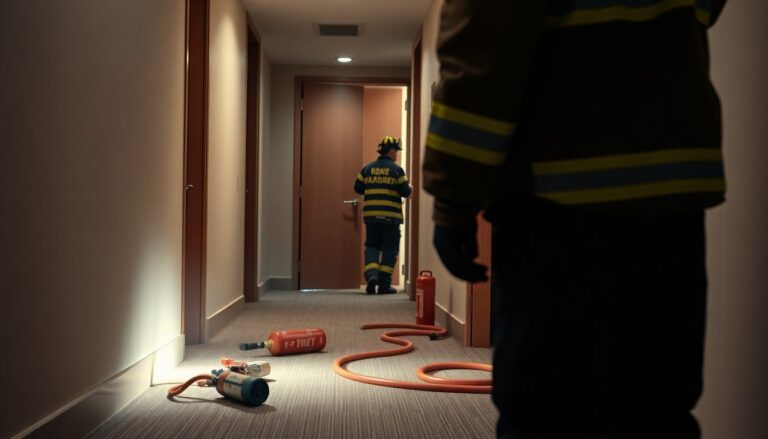
Alarm and smoke call at Shirley Towers turns out to be non‑incident
Fire crews attended Shirley Towers in Southampton shortly before noon on 22 February 2026 after an alarm sounded and smoke was reported in a corridor on the 13th floor.
What crews found
On arrival teams carried out a thorough, room‑by‑room assessment of the affected floor and communal areas. There were no signs of an active fire: no flames, no smouldering materials and no heat damage. The building’s sprinkler system had not activated and, thankfully, there were no injuries to residents or responders.
Investigations traced the smell and smoke‑like residue to two low‑risk causes: smoking materials inside one flat and a faulty light fitting in the corridor that had overheated and emitted cosmetic smoke. Once these sources were identified and the area ventilated, crews secured the scene and briefed building management and local authority representatives.
Why extra crews were sent
Because Shirley Towers is a tall, occupied block, the fire service mobilised additional units as a precaution under high‑rise protocols. Extra personnel and specialist equipment provide operational redundancy and allow for rapid, coordinated action across multiple floors if needed. After initial checks and securing the site, the incident was formally handed over to Southampton County Council for any follow‑up with residents and property managers.
Precautionary steps taken on scene
Crews ventilated the corridor, performed targeted thermal scans where accessible, and maintained a watch period to ensure conditions remained safe. They inspected doors, service ducts and nearby flats to rule out concealed combustion or ignition points, paying particular attention to electrical outlets and appliances.
Building management were advised to keep the corridor clear, monitor for any return of smoke or heat, and log the incident in the building records. Officers also gave residents short‑term safety tips, including safe disposal of smoking materials and how to report suspected faulty fittings.
Practical follow‑up and recommendations
At handover, the fire teams provided a written summary of findings and recommended next steps. These included:
– A certified electrical inspection of the affected light fitting.
– Assessment and, if needed, cleaning of communal ventilation.
– Clear resident communications about safe smoking and disposal practices.
– Logging the event in the building’s maintenance records and scheduling any remedial works.
A resilience and risk‑management angle
Well‑maintained buildings are safer and cheaper to run. Regular testing of alarms and sprinklers, routine electrical checks, staff training, and clear escalation procedures reduce the chance of false alarms and costly interruptions. Small, consistent actions—scheduled inspections, certified contractors for electrical work, and straightforward resident guidance—create an audit trail that supports both safety and long‑term asset value.
Practical measures for property managers
Property teams can improve readiness with simple, repeatable steps:
– Establish and record a predictable inspection cadence for communal areas.
– Use certified contractors for repairs and keep maintenance logs up to date.
– Provide residents with concise guidance on appliance safety and waste disposal.
– Integrate inspection findings into asset‑management systems to prioritise work and monitor outcomes.
Community safety reminders
Functional detection and electrical systems are fundamental. Residents should know how to report faults quickly and follow basic precautions, such as not leaving smoking materials unattended and reporting flickering or overheating lights.
What crews found
On arrival teams carried out a thorough, room‑by‑room assessment of the affected floor and communal areas. There were no signs of an active fire: no flames, no smouldering materials and no heat damage. The building’s sprinkler system had not activated and, thankfully, there were no injuries to residents or responders.0
