

A coordinated approach to reduce deer damage, improve woodland resilience and support land managers across England
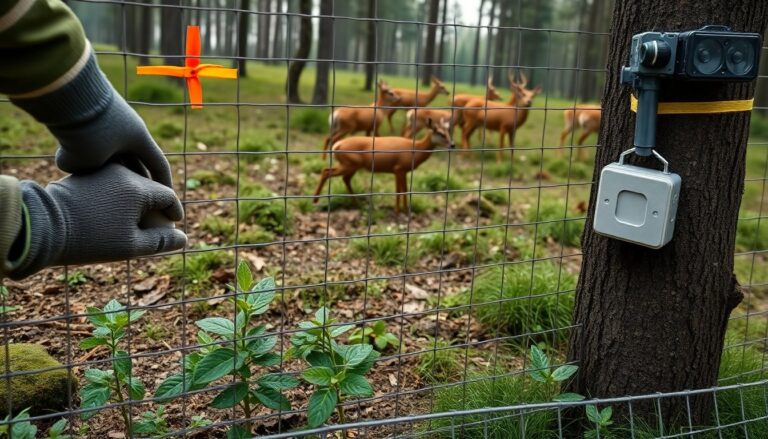
National strategy outlines evidence-led response to deer impacts on woodlands
Wild deer are a familiar feature of England’s landscapes. Land managers, conservationists and policymakers now treat rising deer numbers and intensive browsing as a measurable threat to woodland recovery.
Where grazing exceeds ecological thresholds, studies show it causes substantial harm to young trees, the understorey and wider habitat condition. The strategy sets out a coordinated national approach to measure and reduce those harms so woodlands can regain biodiversity, carbon storage and economic value.
The plan frames deer impacts as a landscape-scale problem that varies by species, local abundance and land use. It calls for targeted, evidence-led interventions combining funding, technical advice, licensing reform, skills development and focused research. In real estate, location is everything; in habitat management the same principle applies—impacts depend on place, intensity and ownership.
Transaction data shows where pressures concentrate, and the strategy aims to direct resources accordingly.
Why deer management matters
Transaction data shows where pressures concentrate, and the strategy aims to direct resources accordingly. Wild deer now shape woodland futures across many English landscapes.
High deer numbers reduce natural tree regeneration and change plant communities. This process drives habitat degradation, lowers timber value and undermines species that depend on dense understorey.
Unmanaged populations also raise public safety and health concerns. Higher deer densities correlate with more vehicle collisions and can support larger tick populations, increasing disease transmission risk.
In conservation, location is everything: impacts vary by site, habitat type and local land use. Transaction data shows which woodlands need urgent intervention and where management can deliver most benefit.
Managers can prioritise fenced regeneration, targeted culling and habitat diversification to restore structure and boost biodiversity. The mattone resta sempre a lungo termine: interventions that promote tree recruitment increase future returns in ecological and timber terms.
Principles of the national approach
The national plan sets clear objectives. It aims to prevent deer from causing environmental, social or economic harm and to allow woodlands to thrive under appropriate levels of browsing.
Management must be tailored locally because six species of wild deer affect habitats differently across England. The plan therefore emphasises regional and landscape-scale planning so neighbouring landowners and managers coordinate action across ownership boundaries.
Transaction data shows where pressures concentrate, and interventions that promote tree recruitment deliver long-term returns in both ecological value and timber potential. In land management, location is everything; targeting effort where impact and opportunity align increases the strategy’s effectiveness.
The approach prioritises proportionate measures. It supports locally adapted actions that balance species control, habitat recovery and the interests of rural communities and businesses.
Supporting landowners and managers
Central government agencies provide practical support for those who manage rural land. The Forestry Commission and Natural England offer tailored advice on assessing deer impacts and selecting appropriate responses. A team of Forestry Commission Deer Officers advises on best practice and on access to public and private funding. Their role is to help translate field assessments into measurable management actions.
In real estate, location is everything; in land management, so are timely interventions. Transaction data shows that early, proportionate measures reduce long-term repair costs to habitats and productive woodlands. Where public funds are used, grant conditions may require recipients to implement specified protection measures and to demonstrate effective outcomes.
Targeted funding and grants
Financial incentives are available through woodland and agri-environment schemes to support interventions that reduce deer damage. Schemes may fund a range of measures, from monitoring and non-lethal deterrents to lethal control when it is justified and carried out in accordance with the law and accepted guidance.
Grants commonly cover equipment and infrastructure. Examples include elevated observation platforms, protective tree guards and exclosure plots that safeguard young trees and ground flora. The aim is to improve habitat recovery, protect funded objectives and optimise the return on investment for land managers.
Practical measures and alternatives
The aim is to improve habitat recovery, protect funded objectives and optimise the return on investment for land managers. In land management, location is everything; measures must suit site-specific pressures and objectives.
Conventional defences such as fencing and single-use plastic tree shelters reduce browsing and help sapling survival. Transaction data shows these tools can deliver rapid, local protection for young trees.
These options also carry drawbacks. Fencing can cause visual intrusion and restrict access for management. Plastic shelters create waste and can displace deer impacts to unfenced areas. Managers report maintenance burdens and occasional damage to non-target species.
The policy therefore recommends a mixed approach and is testing biodegradable protection options to reduce plastic waste and long-term removal costs. Trials aim to assess durability, cost-effectiveness and ecological performance compared with established methods.
Where physical exclusion is impractical, and only after careful site-specific assessment, the policy recognises humane lethal control as an effective management tool to reduce damage and protect restoration outcomes. Any such action should follow legal requirements, welfare best practice and recorded monitoring to evaluate population and habitat effects.
Managers are advised to document decisions, weigh short-term costs against long-term benefits, and integrate protections with broader habitat recovery objectives. The mattone resta sempre an investment: measures that protect early growth increase the likelihood of achieving funded targets and improving asset value over time.
Improving licensing and legal frameworks
Building on earlier investment-focused measures, the strategy targets legal barriers that slow timely interventions. Under the Deer Act 1991 there are close seasons when deer cannot normally be taken, but licences may be issued to prevent serious damage. The framework will keep that safeguard while refining how licences are granted.
The plan seeks to streamline licences for justified actions such as authorised night-time control where deer have adapted to nocturnal behaviour. Procedures will be simplified to reduce delay while retaining requirements for clear justification, documented risk assessments and demonstrable competence.
Competence, safety and animal welfare will remain core conditions for any licence. Applicants will need relevant training records, evidence of humane methods and measures to protect public safety. Licensing authorities will be required to record reasons for approval or refusal.
In land management, location is everything: targeted legal flexibility aims to protect early growth and funded objectives across priority sites. Transaction data shows that timely control interventions increase the likelihood of meeting funded targets and improving long-term asset value.
Skills, standards and monitoring
Transaction data shows that timely control interventions increase the likelihood of meeting funded targets and improving long-term asset value. Effective deer impacts management depends on skilled practitioners and informed land managers across landscapes. The plan therefore emphasises clear training pathways, recognised qualifications and structured mentorship.
The strategy proposes integrating deer management modules into Forestry Commission apprenticeships. It also recommends grants for training linked to stewardship schemes to ensure practical, on-the-ground competence. These measures aim to align workforce capability with delivery schedules and funding conditions.
Woodland condition assessment tools and digital resources will support routine monitoring. Standardised assessment protocols help determine whether declines are driven by deer, other herbivores or non-biological factors. Consistent data collection enables targeted interventions and transparent reporting to funders and managers.
In real estate, location is everything; in landscape management, measurement is everything. Transaction data shows that demonstrable monitoring and accredited skills reduce project risk and protect long-term value. The mattone resta sempre an asset: calibrated skills and robust standards increase the likelihood of ecological recovery and investment resilience.
Coordination and priority targeting
The Forestry Commission will map and designate priority areas where deer management delivers the highest public benefit. In these zones, local targets for deer density may be set and cross-boundary, collaborative action will be promoted. Defra will encourage formal partnerships among landowners, local authorities, national parks and non-governmental organisations. It will continue to work with the Deer Initiative Partnership to secure broad sectoral engagement and align conservation objectives.
Transaction data shows that timely, skilled intervention preserves long-term value; similarly, targeted deer management supports habitat recovery and resilient land assets. The 10-year outlook described here combines improved evidence, better grants, stronger advice, licensing refinements and investment in skills to reduce deer harm across England’s woodlands and wider habitats. Success will depend on cooperation across public, private and voluntary sectors, guided by local knowledge and proportionate action. In real estate, location is everything; in ecological management, prioritising the right places and mobilising the right partners makes recovery measurable and investable.
