A growing number of UK travellers are scheduling dawn and dusk experiences to catch rare natural phenomena, while changes effective 25 February 2026 require carriers to verify travel permissions digitally, affecting British dual nationals
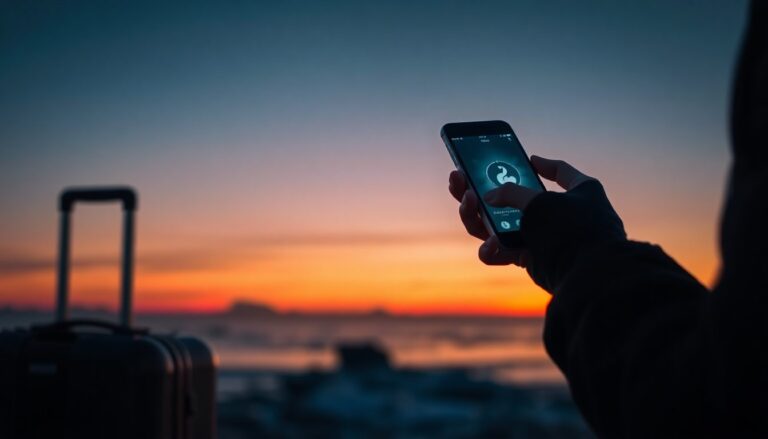
Travel in 2026 is being reshaped by two powerful forces: a cultural shift toward timed, nature-led experiences, and tighter pre-travel digital checks. New research from KAYAK finds more travellers are planning trips around natural phenomena — from aurora chases to sunrise wildlife encounters — prioritising when they go over ticking off landmarks.
At the same time, the UK’s Electronic Travel Authorisation (ETA) and updated carrier checks come into full effect on 25, changing how many people board trips to the UK.
Why moments matter more than maps People are moving away from classical checklist tourism toward short, intense experiences built around a single, unforgettable moment.
Social media rewards striking visuals; cheaper, flexible travel options make timing realistic; and scientists increasingly publish accurate forecasts for events such as migrations, blooms and auroras. Put together, those forces make “seeing the spectacle” a primary reason to travel.
For travel businesses this means rethinking the product.
Rather than selling a destination and a list of sights, operators need to sell windows of opportunity: rooms, flights and tours must line up with narrow, time-sensitive events. That often requires dynamic pricing, more precise capacity management and a stronger focus on environmental impact.
How timing pressures pricing, capacity and sustainability KAYAK’s What the Future 2026 Travel Trends Report shows half of travellers are willing to wake earlier than before to catch a memorable natural event; 44% say they’d wake much earlier. Younger travellers — Gen Z and Millennials — are particularly likely to plan trips around natural wonders. Dawn hikes, aurora viewings and scheduled wildlife displays have become primary motivators.
This concentration of demand produces practical headaches. Peak moments compress arrivals into short windows, straining parking, waste systems, emergency services and fragile habitats. If operators treat these experiences as optional extras, they risk overcrowding and poor visitor experiences. Instead, rethink ticketing, stagger access, cap group sizes and invest in local infrastructure to spread impact over time and space.
Logistics for fleeting spectacles When entire itineraries hinge on a single event, logistics change. Travellers pick lodgings near viewing points and favour guided departures timed to the phenomenon. Flexible transport, contingency plans and close coordination with local authorities become the norm.
That operational pressure also forces tougher decisions about sustainability. Concentrated footfall can damage delicate ecosystems; managing that requires careful planning, visitor education and—sometimes—limiting numbers even when demand is high.
How the ETA rollout affects travel to the UK (from 25 ) From 25 the UK’s ETA regime and strengthened carrier checks alter entry procedures. Carriers (airlines, ferries and others) must verify a traveller’s right to enter the UK before boarding unless the traveller presents a valid British or Irish passport or a Certificate of Entitlement (CoE). In practice, that means more digital identity checks before you even depart.
Who this hits hardest British citizens who habitually travel on a non‑British passport are at particular risk. Using a non‑British passport without a valid British passport or CoE may result in airline or ferry staff refusing boarding. Carriers will bear the operational burden of checking authorisations at scale during busy periods, and policies may vary between operators.
Certificates of Entitlement and temporary allowances A Certificate of Entitlement (CoE) remains an accepted proof of right of abode. During the initial rollout some carriers or airports may offer limited temporary allowances—examples include accepting certain old or expired UK passports alongside a second passport—but these are discretionary and inconsistent. Don’t count on them.
Why moments matter more than maps People are moving away from classical checklist tourism toward short, intense experiences built around a single, unforgettable moment. Social media rewards striking visuals; cheaper, flexible travel options make timing realistic; and scientists increasingly publish accurate forecasts for events such as migrations, blooms and auroras. Put together, those forces make “seeing the spectacle” a primary reason to travel.0
Why moments matter more than maps People are moving away from classical checklist tourism toward short, intense experiences built around a single, unforgettable moment. Social media rewards striking visuals; cheaper, flexible travel options make timing realistic; and scientists increasingly publish accurate forecasts for events such as migrations, blooms and auroras. Put together, those forces make “seeing the spectacle” a primary reason to travel.1
Why moments matter more than maps People are moving away from classical checklist tourism toward short, intense experiences built around a single, unforgettable moment. Social media rewards striking visuals; cheaper, flexible travel options make timing realistic; and scientists increasingly publish accurate forecasts for events such as migrations, blooms and auroras. Put together, those forces make “seeing the spectacle” a primary reason to travel.2
Why moments matter more than maps People are moving away from classical checklist tourism toward short, intense experiences built around a single, unforgettable moment. Social media rewards striking visuals; cheaper, flexible travel options make timing realistic; and scientists increasingly publish accurate forecasts for events such as migrations, blooms and auroras. Put together, those forces make “seeing the spectacle” a primary reason to travel.3