Hibs commit to accountability after an injury‑time blow while Celtic and other contenders face pivotal choices in a packed fixture schedule
Topics covered
Dramatic late twists shake up Scottish title and European battles
A string of late moments over the weekend reshuffled more than just the scoresheet. Heartbreak and controversy in several matches changed the look of the title race and tightened the fight for European places.
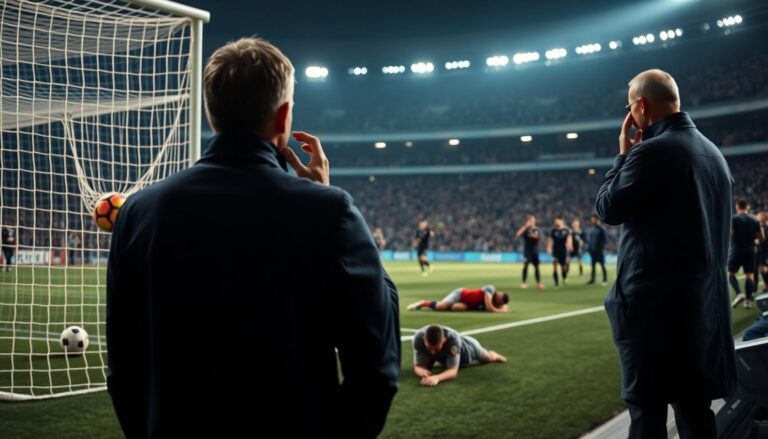
Hibs were left to rue a stoppage‑time goal in a six‑goal thriller that seriously dented their hopes of qualifying for Europe. Their manager accepted responsibility for the selection and in‑game decisions, promising quick fixes to prevent a repeat.
Celtic, meanwhile, suffered a late defeat that widened the gap to the leaders and forced the manager into tricky calls about who to play as the schedule ramps up. A straight red card in one game added another layer of pain, influencing immediate team selection and bringing discipline back into the spotlight.
What Hibs will do next
The reaction at Easter Road mixed blunt self‑criticism with concrete plans. Directors have asked for reviews of recruitment, match‑day leadership and training routines; the aim is clearer accountability, not boardroom finger‑pointing. On the pitch, coaches are prioritising defensive shape, rehearsed set‑pieces and smarter rotation to combat fatigue. Players have been urged to show that lessons stick — not with speeches, but with performance.
Work on the detail has already begun: focused video sessions to spot recurring errors, tighter marking on late transitions and adjusted workloads so the squad stays fresher The message is simple — turn those last‑minute frailties into a strength.
How one night rippled through the league
Late goals did more than swing a match. Motherwell, helped by results elsewhere, now sit seven points clear in the race for fourth — a useful cushion that also paints a target on their back. Small incidents can suddenly alter standings and force rivals to change tactics and fixture priorities at short notice.
Discipline played its part too. A dismissal at a key moment reshaped a game and underlined how composure matters as much as skill. Coaches are looking to make those moments teaching points: clearer in‑match protocols, situational rehearsals and even sports‑psychology work to prevent repeat lapses.
Choices clubs face: depth, spending and priorities
When mid‑table teams gather momentum, boards must decide whether to patch problems now or plan for the long term. Adding rotational options can protect core players; targeted signings can fix specific weaknesses. Either way, measured investment beats frantic spending. Clubs that balance short‑term ambition with sensible finance tend to avoid crises and keep fans onside.
Celtic’s dilemma: resilience, rotation and selection rows
Martin O’Neill played down the latest defeat as a setback, not surrender. With a testing run of European and domestic fixtures looming, he faces hard calls about who plays and when. He defended his decision to stick with his goalkeeper — citing form and character — a choice that has split opinion inside the squad.
Several recent signings are still being eased into the team. That’s deliberate: O’Neill says cohesion matters more than rushing players into high‑pressure matches. The bigger headache is the 4‑1 European deficit that complicates where Celtic should focus energy — chasing European progress or protecting domestic ambitions.
Practical priorities for both clubs
Both Hibs and Celtic have straightforward short‑term homework: shore up late‑game resilience, refine rotation plans to guard against fixture congestion, and stamp out careless sendings‑off. Coaches will drill transition moments, practise set‑piece scenarios and enforce clearer rules about pressing triggers and fallback shapes. Managers who admit mistakes, adapt quickly and apply targeted fixes — technical, tactical and psychological — give their teams the best chance to recover.
Looking ahead
Hibs were left to rue a stoppage‑time goal in a six‑goal thriller that seriously dented their hopes of qualifying for Europe. Their manager accepted responsibility for the selection and in‑game decisions, promising quick fixes to prevent a repeat. Celtic, meanwhile, suffered a late defeat that widened the gap to the leaders and forced the manager into tricky calls about who to play as the schedule ramps up. A straight red card in one game added another layer of pain, influencing immediate team selection and bringing discipline back into the spotlight.0