A Met Office yellow warning covers afternoon to midnight thunderstorms in parts of south-west England and much of Wales, while health services report surges in visits about heat illness and several open water deaths prompt fresh safety alerts.
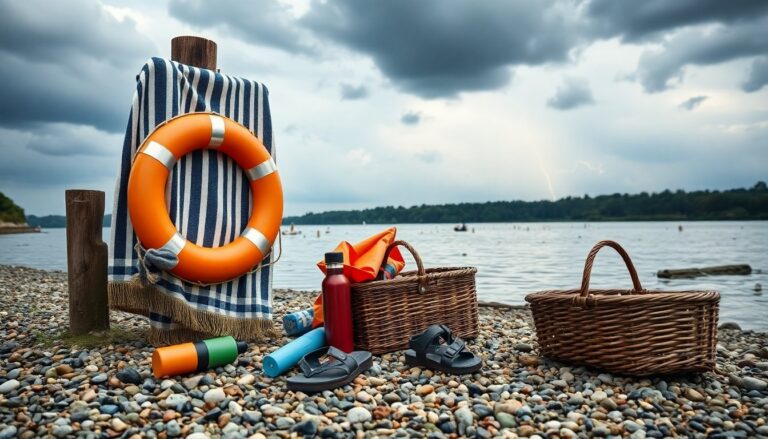
The Met Office has issued a yellow weather warning for thunderstorms affecting parts of south-west England and much of Wales. The advisory runs from 3pm to midnight and cautions that heavy rain, hail and spray could pose hazards to drivers, while lightning may cause damage to buildings and interruptions to public transport.
The forecaster also flagged the possibility of localised flooding and short-term power cuts where storms hit hardest.
This alert follows an exceptional spell of heat: the Met Office recorded what it says was the hottest May day for both England and Wales, with Kew Gardens provisionally reaching 35.1C and Cardiff Bute Park reaching 32.9C.
As conditions move from extreme heat to unstable air masses, agencies are balancing messages about avoiding overheating with new warnings about thunderstorm impacts and the hazards of bathing in cold open water.
Health impact and heat-alert status
Health bodies have seen a sharp spike in public concern about heat-related illness.
NHS England reported a dramatic rise in visits to its heatstroke advice pages, with 20,092 hits on bank holiday Monday compared with just 488 the previous Monday, and a weekend total of 36,724. Pages on sunburn and on keeping babies safe in the sun also recorded thousands of views, while guidance on baby first aid and sun safety surged by about 3,500% on Monday to 4,728 visits.
The UK Health Security Agency (UKHSA) has extended its heat-health alerts: amber alerts remain active for the South West, South East, London, East and West Midlands and the East of England until 5pm on Thursday, while yellow alerts are in place for the North West and North East. Duncan Burton, chief nursing officer for England, emphasised that although temperatures are easing, those caring for vulnerable people should remain attentive. He highlighted that babies, children, older adults and people with long-term conditions face higher risk of heat-related problems and urged households to use NHS guidance to prevent dehydration and overheating.
Open water tragedies and safety warnings
Amid the heatwave, a string of fatal incidents in open water has prompted renewed warnings from rescue services. Police and emergency teams have reported deaths or recoveries from lakes, rivers and coastal spots in several counties. Agencies named multiple locations where teenagers got into difficulty, including searches at Pickmere Lake (Marston, Northwich) where a 17-year-old was later found; Hawley Lake after a teenager went missing; Swanholme Lakes where 15-year-old Declan Sawyer died; Leadbeater Dam near Halifax where 13-year-old Reco Puttock died; and Kingsbury Water Park where the body of a teenage girl was recovered.
Other cases included a man in his 60s who suffered a cardiac arrest after entering the sea at Tregirls Beach, Padstow, while attempting to assist relatives, and the recovery of a teenager from Rother Valley Country Park, Rotherham. Lancashire Police also reported the recovery of a 12-year-old from the River Ribble at Ribchester. These incidents span South Yorkshire, West Yorkshire, Devon and Cornwall, Warwickshire, Lincolnshire and Lancashire, highlighting how widespread the risk has been across the country.
Why open water is dangerous after heat
Rescue agencies stress that warm air can make cold water feel inviting, but water temperatures remain low enough to cause cold water shock — a sudden gasp, rapid breathing and possible loss of breathing control that can incapacitate even strong swimmers. The RNLI warned of the “very real risk” of swimming in open water during the heatwave period, pointing out hidden hazards such as strong currents, submerged objects, mud banks and sudden depth changes that people may not see from the surface.
Practical advice and how to stay safe
Responding to both the heat and the storm risk, authorities recommend several simple precautions. To reduce heat-related harm, follow NHS guidance on staying hydrated, avoiding the hottest hours and checking on vulnerable neighbours, infants and people with long-term health issues. For thunderstorm safety, drivers should slow down, allow additional stopping distance and avoid standing under trees or near tall structures where lightning can strike. When considering cooling off in rivers, lakes or the sea, the clear message is to avoid unguarded bathing spots, use lifeguarded beaches where possible and always supervise children closely.
Finally, keep tuned to official sources: check the Met Office for evolving weather warnings, consult the UKHSA and NHS for heat-health advice, and heed local police and lifeboat service updates about water safety. Combining caution about heatstroke and the dangers of open water gives the best chance of staying safe as conditions change from record highs to stormy afternoons and evenings.