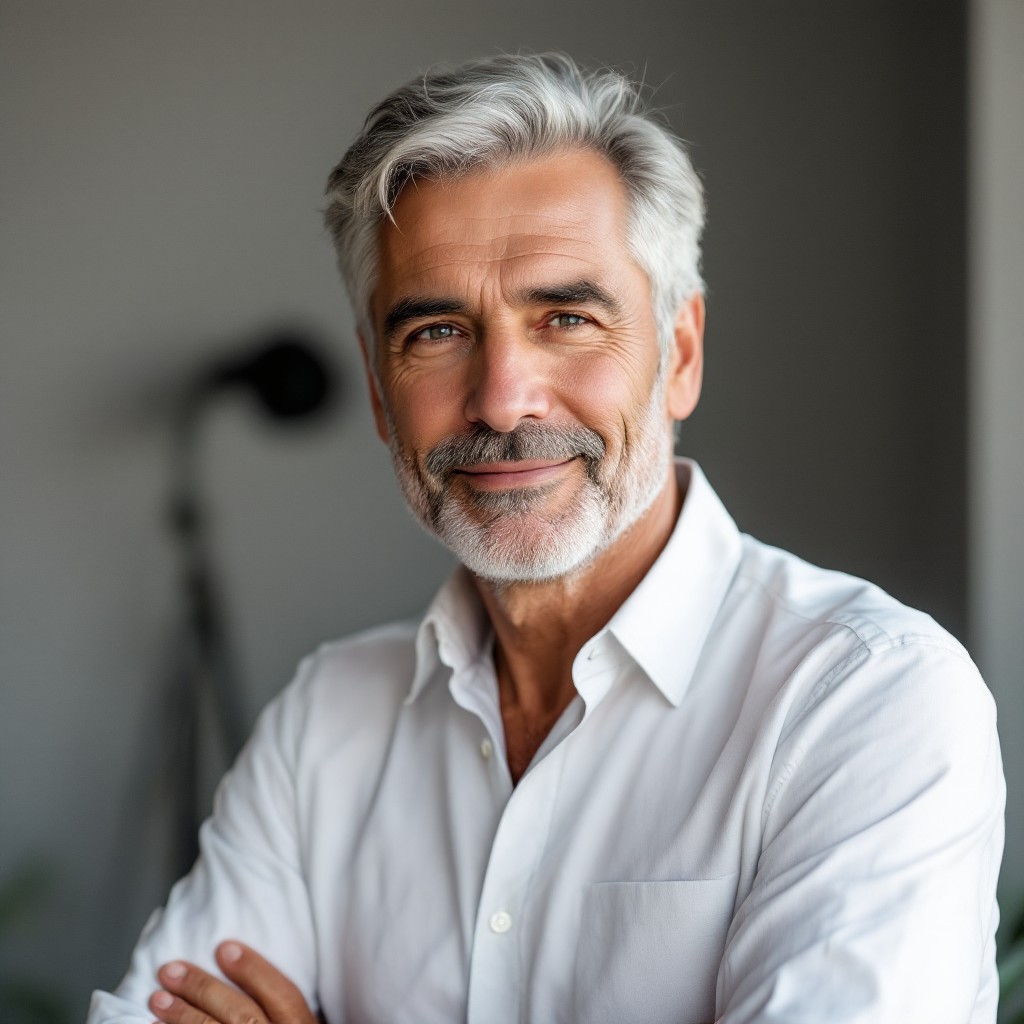
Arsenal co-chair Josh Kroenke praises Mikel Arteta’s influence, confirms priority to keep the manager and signals feasibility studies into renovating the Emirates Stadium while preserving club character
The club hierarchy at Arsenal has made clear that stabilizing the managerial situation is a top priority while simultaneously opening conversations about the future of their stadium. Mikel Arteta remains central to the football project, and the ownership is working to ensure there is no ambiguity around his place at the club.
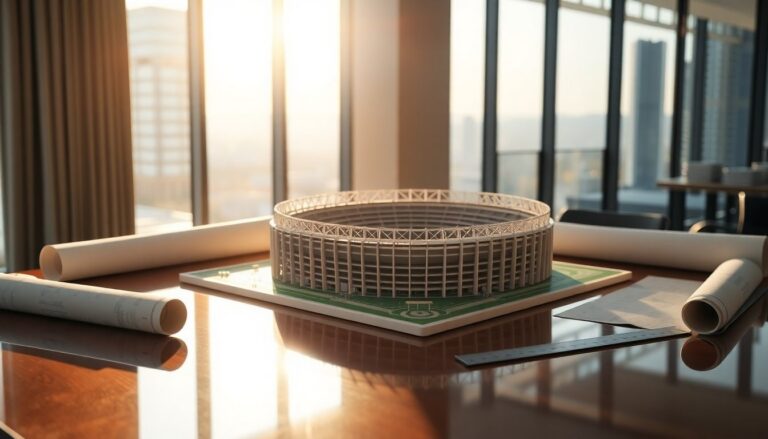
At the same time, officials are evaluating possible ways to refresh the Emirates Stadium to improve capacity and the matchday experience.
Josh Kroenke, who serves as co-chair of the club, emphasized the collective effort behind recent progress on the pitch while stressing the importance of retaining key personnel.
The ownership group is balancing short-term sporting stability with longer-term infrastructure planning, mindful of preserving the club’s traditions as any development is considered.
Securing the manager: why Arteta is central
Kroenke singled out the manager, his coaching team and the squad as primary architects of Arsenal’s resurgence.
He credited Arteta with shaping tactics and direction, while underlining that success ultimately depends on the players performing on matchdays. The ownership believes that keeping Arteta in place is essential for continuity and further progress.
Contract status and priorities
Although Arteta’s current deal is set to run until next summer, Kroenke indicated that prolonging the working relationship is an “utmost priority.” He noted that the manager enjoys the project and has a clear affiliation with the club rooted in his playing days and his managerial tenure. That perceived alignment between coach and club is being treated as a strong foundation for negotiations and future planning.
Leadership and shared credit
In Kroenke’s view, the tactical blueprint comes from the manager and staff, but victories are delivered by the players on the field. He was explicit in assigning credit: the tactical leadership, the coaching implementation and the players’ execution all contributed to the improved results. This framing underscores why ownership sees no room for uncertainty over Arteta’s role.
Exploring changes at the Emirates Stadium
Parallel to footballing matters, the club is evaluating potential stadium work. The Kroenke family has experience in developing sports venues through their American operations, and those experiences are informing how the club is approaching studies for the Emirates Stadium. Options on the table include ways to increase seating and enhance amenities while respecting the venue’s identity.
Balancing modern facilities with club heritage
Any proposed work is being approached with sensitivity to the club’s history. Kroenke stated that the project will aim to preserve character and link to Arsenal’s past as changes are imagined. He referenced senior executives and advisers who are leading these conversations, signaling an intention to combine modern standards with elements that resonate emotionally with supporters.
Learning from other projects
The ownership group’s U.S. sporting portfolio has delivered large venues with upgraded fan experiences, and Kroenke said those lessons are helpful. However, he stressed the need to tailor any plans to Arsenal’s unique context. The goal is to create an “elevated matchday experience” without losing the club’s traditional atmosphere, using careful design rather than wholesale replacement.
What supporters should expect next
Short-term focus remains on the team and ensuring clarity around the managerial future. Negotiations and internal discussions are likely to continue behind the scenes, with club executives taking the lead on stadium feasibility and design proposals. Kroenke acknowledged both the emotional ties fans have to the ground and the practical benefits of upgrades, suggesting a collaborative and measured process.
Communication and timing
Rich Garlick and members of the board are coordinating the operational side of any Emirates work, and advisers have been engaged to draft potential scenarios. Kroenke admitted he regrets never having experienced the club’s previous home, but he expressed optimism that renovations can restore certain historic qualities while delivering modern comforts. For supporters, that means detailed plans and announcements will follow once advisers complete initial assessments.
Overall, the ownership message is clear: keeping Mikel Arteta is a priority and exploring sensible improvements to the Emirates Stadium is underway, with an emphasis on preserving club identity while enhancing the fan experience. The leadership believes this two-track approach—stability on the pitch and thoughtful investment off it—best positions the club to progress sustainably.