

Winter-ready digital health: remote monitoring basics offer a practical guide to keep patients safe and connected when winter conditions complicate care.
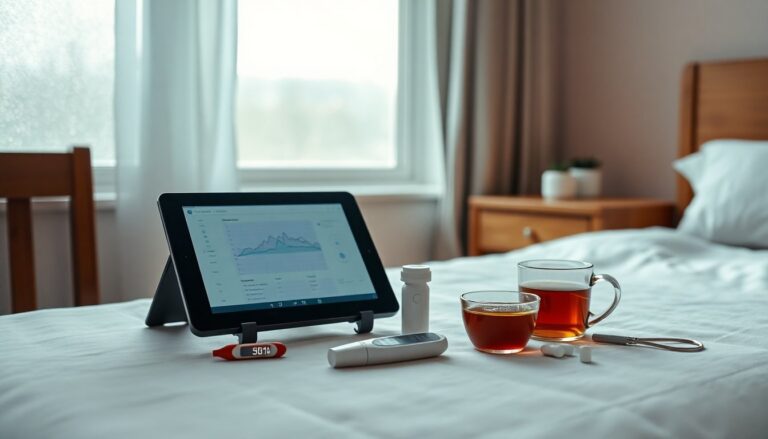
Remote health monitoring has evolved beyond a buzzword. In winter, its value becomes tangible: it helps clinicians spot subtle changes, patients stay compliant, and families stay informed. This guide covers the core concepts, technology choices, and workflow considerations essential for a winter-ready remote monitoring program.
From devices that track vitals to secure data channels, the aim is steady, proactive care that stands up to seasonal challenges.
Understanding the essentials: what remote monitoring must deliver in winter
At its core, remote monitoring is a loop between patient data, clinical interpretation, and timely action.
Yet winter adds wrinkles: colder temperatures can affect sensor performance, adherence may waver, and remote teams must manage higher volumes of alerts. A robust program starts with reliable sensors that measure key health indicators such as heart rate, glucose, blood pressure, weight, and oxygen saturation.
Data quality is non-negotiable; without accurate signals, alarms become noise and trust erodes. In practice, choose devices with proven winter performance, easy usability, and battery life that lasts through longer nights and shorter days.
Another winter-critical element is patient engagement. Clear onboarding, simple dashboards, and multilingual support keep patients involved. In daily practice, people respond better when prompts are concise and actionable. For example, instead of a vague reminder to “check vitals,” provide a specific window and a direct next step, such as “measure blood pressure at 7 a.m. daily and record in the app.” Such specifics reduce friction and data gaps during holidays or heavy workload periods.
Workflow design: turning data into timely care actions
Effective winter-ready programs align data streams with clinical workflows. This means setting thresholds that trigger meaningful responses rather than a flood of alerts. In typical clinics, alerts should route to a dedicated care coordinator or nurse team who can triage quickly. Yet the system must also support patient-initiated contacts, especially when weather disrupts routine. Real-time dashboards help clinicians spot trends across dozens of patients, enabling proactive outreach before a crisis looms.
Security and privacy remain constant priorities. Winter weather can increase remote work activity, creating new risk vectors. A secure, encrypted data channel, strong authentication, and clear access roles protect patient information without slowing care. From an operations viewpoint, robust documentation and audit trails are essential. They prove who acted, when, and why—critical for accountability during high-stress periods.
Practical implementation: starting small and scaling smart
For teams new to remote monitoring, start with a focused pilot: a single chronic condition, a modest patient cohort, and a small set of validated devices. The goal is to demonstrate value with tangible metrics—readmission rates, adherence, and patient satisfaction. Once the pilot shows benefits, expand step by step. Regular reviews—monthly at first, then quarterly—keep goals aligned with clinical needs and patient feedback.
In winter, operational adaptability matters. Plan for device maintenance outages, battery replacements, and connectivity issues that bad weather can aggravate. Build redundancy into the network and have contingency plans for data gaps. The most successful programs treat remote monitoring as an extension of the clinic, not a separate system. That mindset helps clinicians stay present with patients regardless of where care is delivered.
