

Firefighters rescued riders stranded 30.4 metres over Pleasure Pier in Galveston after a rollercoaster malfunctioned; authorities said no injuries were reported on 29 May 2026.
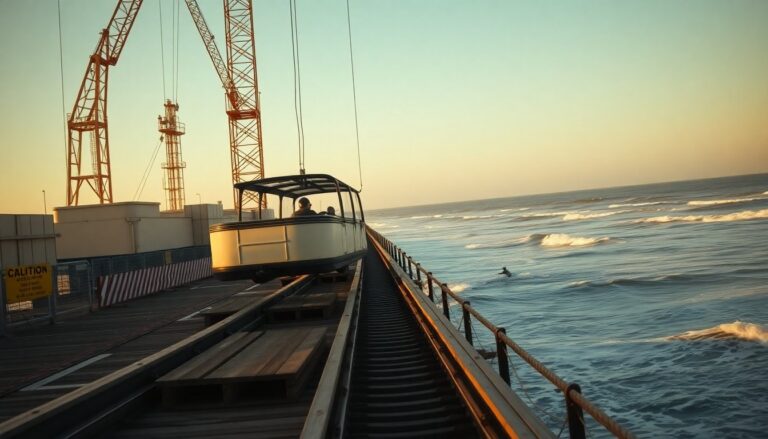
On 29 May 2026, emergency teams responded to a mechanical failure at the Pleasure Pier amusement park in Galveston, Texas, after a rollercoaster car became stuck approximately 30.4 metres above the ground. The incident drew rapid attention from first responders and onlookers along the coast.
According to officials, the rescue was completed without injuries, and the situation was contained before any medical emergencies developed.
The stranded riders were brought down safely by trained crews. This report outlines what unfolded during the event, how crews managed the rescue, and the basic safety and technical details observers should know about similar amusement park incidents.
Sequence of events and immediate response
The problem began when a coaster car halted unexpectedly while navigating the elevated section of the track. Park staff alerted local emergency services, and Galveston firefighters arrived on scene to assess the situation and plan a safe recovery.
Witnesses described a calm but methodical response as first responders established a perimeter and prepared equipment.
Firefighters used established high-angle rescue techniques and coordination with park personnel to reach the car. Crews relied on harnesses and rigging to secure the passengers before lowering them to safety. The operation emphasized careful movement and communication, ensuring the evacuation proceeded smoothly.
Technical factors and safety protocol
While the precise mechanical cause of the stall was being investigated, park operators and investigators typically examine elements such as the braking system, drive motors, and safety interlocks. Maintenance logs, sensor data, and operator reports are standard sources used to reconstruct the event timeline. The public statement from officials noted the focus on understanding the root cause while confirming that all riders were unharmed.
In incidents like this, many amusement venues rely on built-in redundancies and emergency procedures. The emergency evacuation protocol is a predefined set of steps that include notifying emergency services, stabilizing the vehicle, and using specialized equipment to reach and remove riders if the ride cannot be restarted.
Rescue operation details and outcome
Galveston firefighters carried out the rescue using standard rescue harnesses and anchored lines, supported by park crew members who were familiar with the ride’s access points. Each rider was individually secured and lowered to ground level. Authorities confirmed that everyone involved was physically well, and no injuries were reported at the scene.
Once the evacuation was complete, the ride was closed for a thorough inspection. The park cooperated with municipal officials and maintenance teams to examine the coaster and collect data needed for a full technical review. The priority for both the park and responders remained safety and transparency in the follow-up investigation.
Aftermath and inspection process
Following the immediate rescue, the ride remained offline while engineers and inspectors conducted a comprehensive assessment. This process typically includes visual inspections, diagnostic testing of control systems, and review of sensor logs to identify anomalies. If repairs or component replacements are required, they must meet manufacturer specifications and regulatory standards before the attraction reopens.
Park management often issues post-incident communications to reassure the public that safety standards are being upheld. These communications usually summarize the event, the rescue steps taken, and the next steps in the inspection and repair process. In this case, officials reiterated that passenger safety was the top priority.
Context: amusement ride safety and public concerns
Amusement parks operate under a mix of state and local regulations, voluntary industry standards, and manufacturer guidance. Regular maintenance, daily pre-opening checks, and staff training are part of the routine that aims to prevent malfunctions. When incidents occur, transparent reporting and cooperative investigations help restore public confidence.
Although high-profile stalls can be alarming for riders and spectators, modern rescue training and engineered safety systems are designed to minimize risk. The swift resolution in Galveston demonstrates how coordinated response and practiced evacuation procedures can limit harm and resolve situations without injury.
Key takeaways
The incident at Pleasure Pier in Galveston highlights several important points: the need for regular maintenance and inspections of amusement rides, the value of emergency preparedness among park staff, and the crucial role of local first responders in executing high-angle rescues. On 29 May 2026, those elements combined to produce a safe outcome for riders stranded 30.4 metres above the pier.
Park visitors and residents can expect a formal update once the investigation concludes and any necessary repairs are completed. Meanwhile, the incident serves as a reminder of the engineering and procedural safeguards that underpin amusement ride operations.
