

A multi-agency rescue operation was mounted at Portobello Beach after calls about two girls in difficulty. Lifeboats, coastguard teams, police and rescue helicopters searched the area for several hours before the HM Coastguard stood down the response.
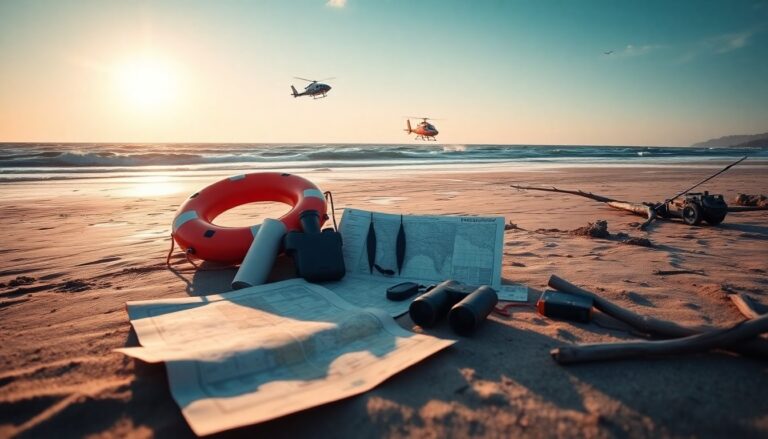
On 28th May 2026 a large-scale search unfolded off Portobello Beach following reports that two girls were struggling in the water. The incident drew an immediate response from several agencies: lifeboat crews, the HM Coastguard, local police and airborne units.
Authorities were first notified shortly before 5pm, and within minutes vessels and aircraft were en route to the scene as part of an organized search operation to locate and assist anyone in distress.
The search continued into the evening. Teams deployed systematic search patterns, combining surface craft and aerial reconnaissance to cover the shoreline and adjacent sea lanes.
Around 8.55pm the operation was suspended after an extensive sweep of the area produced no evidence of anyone in difficulty. The official position from the coastguard made clear that the response would be reactivated if new information emerged.
How the response was coordinated
The response at Portobello Beach was a concerted effort that followed established search and rescue protocols. Upon receiving the initial report, the Coastguard triggered a multi-unit mobilization. Lifeboats were launched to scan nearshore waters while police units secured access points on the beach. Simultaneously, a rescue helicopter provided aerial coverage, enabling responders to view a wider area and direct surface teams to any points of interest. This layered approach reflects standard practice for coastal emergencies, where time and visibility are critical factors in outcomes.
Roles of participating agencies
Each participating body had defined responsibilities: the HM Coastguard coordinated overall operations and intelligence; lifeboat crews conducted close-to-shore searches and potential recoveries; police managed crowd safety and access control; and the helicopter unit performed reconnaissance and rapid-response tasks. Together these elements form an integrated response model that prioritizes rapid deployment and comprehensive coverage. The cooperation between land and sea units aimed to reduce the time between alert and physical search activity.
Timeline and outcome of the operation
The incident timeline is straightforward. The first notification to the Coastguard arrived just before 5pm, prompting an immediate dispatch. For the next four hours teams searched thoroughly along the shoreline and surrounding waters. At 8.55pm the authorities announced the temporary suspension of the search. A spokesperson for the HM Coastguard confirmed: “After an extensive search, no one was found to be in distress and the HM Coastguard response was stood down at about 8.55pm, pending any new information.” That statement remains the official update from the agency.
Why searches are stood down and what that means
When a search is stood down, it does not necessarily mean the end of all activity; rather, it signals that the on-scene resources are released after a thorough sweep and there is no current evidence supporting the initial report. Authorities will remain ready to resume operations if fresh sightings, calls or other intelligence surface. Standing down also allows crews to rest, refuel and prepare for redeployment should new information come in. This step preserves operational readiness without compromising vigilance.
Community impact and next steps
The event attracted local concern as beachgoers and residents watched emergency units operate through the late afternoon and into the evening. For many, the rapid arrival of a coordinated response offered reassurance about emergency services’ capacity to act quickly. Local officials encouraged anyone with information to contact the police or the Coastguard immediately. Authorities reiterated safety advice for swimmers and beach visitors, emphasizing awareness of tides, currents and the importance of staying within designated safe zones.
How to provide information
If members of the public have relevant details, they were asked to reach out to the local police or the HM Coastguard using established emergency channels. Even seemingly minor observations — the direction someone walked, a description of clothing, or a timestamped sighting — can become crucial in search efforts. The incident serves as a reminder that community input is often a vital component of effective search and rescue operations.
Authorities emphasize that the situation remains open to new reports. While the active search was paused at 8.55pm on 28th May 2026, officials confirmed they would immediately respond to any further information. For now, the coordinated effort by lifeboat crews, the Coastguard, police and aerial units stands as an example of routine emergency procedures applied swiftly in response to reports of people in difficulty at sea.
