

Spain claimed their second World Cup title in a thrilling final against Argentina, with Ferran Torres scoring the decisive goal in extra time.
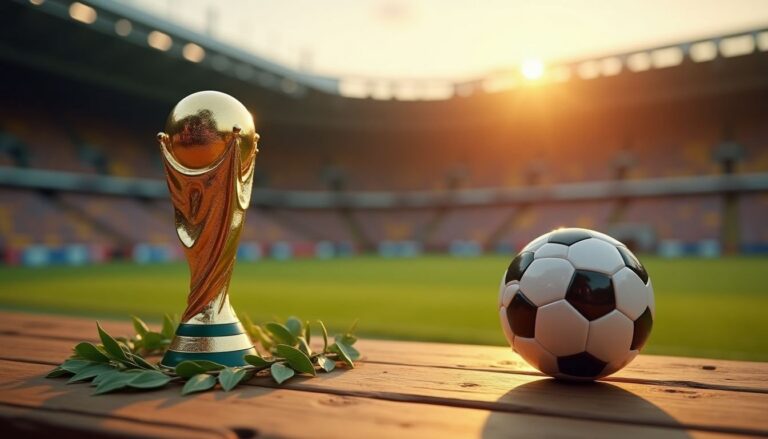
Spain defeated Argentina 1-0 after extra time on July 20, 2026, at MetLife Stadium in East Rutherford, New Jersey, when Ferran Torres scored in the 106th minute.
The result decided the final of the 2026 FIFA World Cup and marked a major international title for Spain.
Last update: 20 July 2026.
Match turning points and decisive score
Spain controlled possession for large periods and created sustained pressure that limited Argentina’s attacking work, producing 20 shots with 12 on target compared with Argentina’s two shots in the match.
The winning sequence began when Pedro Porro’s cross found Nico Williams; Williams’ header displaced Argentina goalkeeper Emiliano Martínez and Ferran Torres finished with a powerful shot in the 106th minute.
The match also featured a pivotal disciplinary moment earlier in extra time: Enzo Fernández received a second yellow card, reducing Argentina to ten men.
Argentina manager Lionel Scaloni criticized the officiating after the game and commented on the sending-off, saying, “Enzo’s sending-off, I think the referee could have avoided giving him that first yellow card, but well, it is what it is.” Scaloni added, “It’s a final, there are things that could have been avoided, but it’s over now.”
On-field performance and statistical contrast
From the opening whistle Spain asserted tactical control, dictating tempo with sustained passing sequences and pressing to deny Argentina midfield time. Argentina, despite reaching the final having scored 19 goals across seven matches in the tournament, failed to register a shot in the first 90 minutes, a rare occurrence in a World Cup final.
Key Spain contributors included Nico Williams and Pedri in the attacking phases and Ferran Torres as the match-winner. Argentina’s frontline, including Lionel Messi and Julián Álvarez, were described as isolated at times and received limited service from a midfield that struggled to impose itself after Fernández’s dismissal.
Post-match confrontations and reactions
The final whistle triggered heated confrontations on the field between Argentina players and Spain substitutes and staff. Incidents included a red card for Leandro Paredes after an altercation resulting in contact with Eric García and a push against Gavi, and a separate incident where Nahuel Molina struck Rodri. Broad criticism followed the scenes, with public figures commenting on the conduct; Micah Richards described it as ’embarrassing,’ and Joe Hart called it ‘disgusting behaviour.’
Amid the tensions, Lionel Messi was singled out for composure by observers, and Scaloni highlighted Messi’s age and career in his post-match remarks: “He’s 39 years old, it’s unbelievable,” and “It was crystal clear he was going to play until he decided not to.” The defeat marked Argentina’s fourth loss in seven World Cup finals, while Spain extended an unbeaten run to 38 matches with the title.
Immediate implications and tournament context
Spain claimed the World Cup title through strategic discipline and a decisive moment in extra time, adding a major trophy to their international record. Argentina concluded a high-scoring tournament that ultimately ended without the repeat victory they sought; the match and subsequent on-field incidents are expected to prompt disciplinary review in the days following the final.
