

The UK has announced a significant increase in funding to tackle the Ebola outbreak in the Democratic Republic of Congo, with the total commitment now reaching £78.7 million.
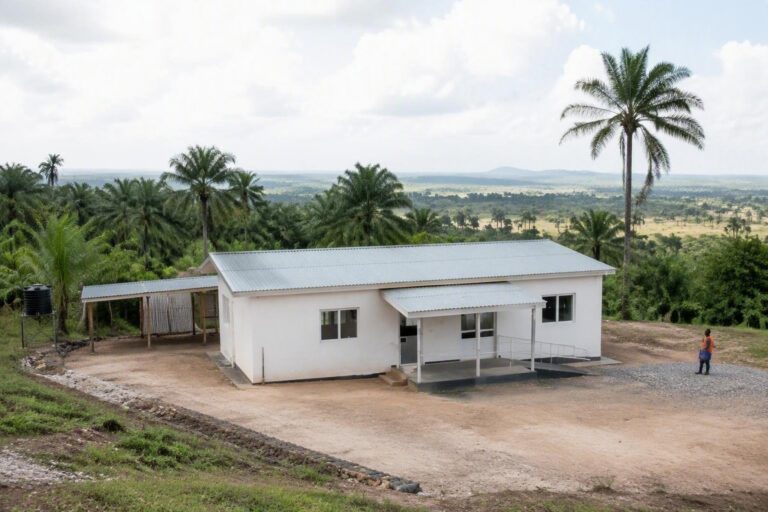
The United Kingdom has announced a substantial increase in its financial commitment to combat the escalating Ebola crisis in the Democratic Republic of Congo (DRC). The Foreign, Commonwealth & Development Office (FCDO) revealed an additional £51.8 million in funding, bringing the total UK contribution to £78.7 million.
This decision comes as health authorities grapple with the fastest-spreading Ebola outbreak ever recorded which has already claimed 2,950 lives and confirmed 6,100 cases since it was declared in mid-.
The World Health Organisation (WHO) has warned that the current outbreak is on track to surpass the deadliest Ebola epidemic on record which occurred in West Africa between 2014 and 2016 and resulted in over 11,000 deaths.
The situation has been exacerbated by exponential spread of the virus, compounded by international aid cuts and operational challenges in the affected regions.
UK’s enhanced response to the Ebola crisis
The UK government has deployed 13 experts from its Public Health Rapid Support Team to support on-the-ground efforts.
These specialists are working to limit the outbreak’s spreadmodel its trajectory and reduce its wider health and humanitarian impacts including the alarming rise in maternal deaths in affected regions. The FCDO continues to fund the Women’s Integrated Sexual Health (WISH) programme which provides critical sexual and reproductive healthcare services in the region.
Additional measures include scaling up programmes to protect maternity services providing personal protective equipment (PPE) to frontline responders, improving water, sanitation, and hygiene (WASH) infrastructure, and strengthening containment measures such as surveillance. These efforts are crucial as women now account for more than half of Ebola cases due to their traditional caregiving roles and their disproportionate representation among healthcare workers.
Challenges and international concerns
The outbreak, caused by the rare Bundibugyo virus has been spreading undetected among communities since at least . While there is no approved vaccine or treatment, DRC authorities have begun distributing thousands of doses of the Ervebo vaccine which may offer some protection. However, containment efforts face significant obstacles, including ongoing conflict between government forces and rebel groups in eastern DRC, attacks on health workers and widespread displacement of populations.
Misinformation and reduced international aid have further weakened an already fragile health system. Health workers have staged several strikes to protest payment delays complicating response efforts. The recent reopening of schools in the DRC, despite calls for a delay from the country’s teaching union, has raised concerns about the potential impact on containment measures.
Global response and future outlook
The WHO has classified the outbreak as a public health emergency of international concern with the risk assessed as low globallyhigh regionally and very high nationally in the DRC. As of 27 the outbreak has also spread to Uganda with 7 confirmed cases and 1 death reported. The WHO has deployed rapid response teams, delivered medical supplies, and strengthened surveillance systems in affected areas.
International NGOs have welcomed the UK’s increased funding as a positive step. Adrian Lovett, UK Executive Director of the ONE Campaign stated that the additional funds could be used to deploy contact tracers establish treatment beds and provide protective equipment on the ground. He urged the government to work with health leaders and local partners to ensure rapid deployment of these resources.
As the world watches this unfolding crisis, the need for sustained international support and coordinated efforts has never been more critical. The UK’s increased funding represents an important step in the global response to this devastating outbreak, but continued vigilance and cooperation will be essential to contain and ultimately overcome this public health threat.
