

Prime minister Andy Burnham argues the ban on drinking in football stands is unfair and may be lifted after a trial, but police warn of safety risks.
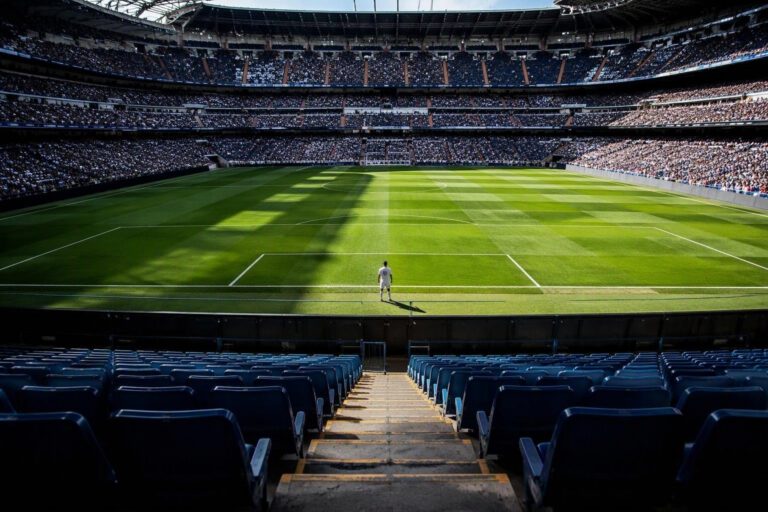
During a press briefing in New York, Prime Minister Andy Burnham labelled the prohibition on alcohol consumption inside the sightline of a football pitch as “discrimination”. He argued that spectators of other sports such as rugby and cricket can enjoy a drink while watching live action, yet football fans are uniquely barred.
Burnham, a lifelong Everton supporter and season-ticket holder, suggested the law – introduced in 1985 under Margaret Thatcher’s government – could be revisited on a trial basis.
The Sporting Events (Control of Alcohol etc.) Act 1985 makes it illegal to drink in view of the pitch at professional football venues across England and Wales.
The rule was originally justified by Home Secretary Leon Brittan, who warned that alcohol was a “major contributory factor in violent and disorderly behaviour” on grounds that were at the time plagued by hooliganism. Today, the same legislation still applies to the top five tiers of men’s football, while all other sports are exempt.
Stakeholder reactions and the prospect of a pilot scheme
The Football Supporters’ Association (FSA) welcomed Burnham’s comments, calling the ban “outdated” and “unfair”. Chairman Tom Greatrex noted that fans can already enjoy drinks at concerts, rugby league matches and even Oasis gigs without breaking the law. He added that many clubs have expressed support for a change, and that the successful 18-month trial in the Women’s Super League – which now permits alcohol in the stands at 25 of 26 clubs – provides a concrete example of how the policy might work.
Police representatives, however, cautioned against hasty reforms. A spokesperson for the UK Football Policing Unit (UKFPU) warned that lifting the ban could create “significant challenges” for officers tasked with keeping crowds safe. He emphasized that football remains the only sport where alcohol is linked to a measurable share of violent incidents, and that any amendment would need thorough evidence and consultation with law-enforcement experts before implementation.
Government stance and industry views
While Burnham reiterated that his remarks reflect a long-standing personal view rather than a formal policy announcement, senior government sources indicated that a full legislative change is not imminent. A possible pilot or trial has not been ruled out, but any broader shift would require extensive dialogue with the Department for Digital, Culture, Media & Sport, clubs, fan groups and policing bodies.
Premier League chief executive Richard Masters responded on Sky News by saying the league would be open to discussing the issue with the prime minister, but stressed that any decision must be taken “after careful thought” given the historic causes of football disorder. The English Football League (EFL) similarly described itself as “receptive” to a review, noting that the current legislation predates modern stadium safety standards and stewarding practices.
Public opinion appears to favour liberalisation: a recent Sky Sports poll showed that 65 % of respondents would back allowing alcohol in the stands. Yet the debate remains nuanced, with experts noting that the presence of alcohol could either diffuse pre-match drinking in pubs or, conversely, fuel rowdier behaviour inside the arena. The balance between fan enjoyment and crowd safety continues to be the crux of the discussion.
What the future might hold
If a trial were to be launched, it would likely mirror the women’s game approach: clubs would be given the option, not the obligation, to sell drinks in view of the pitch, while police would monitor incident rates closely. Should the data show no rise in disorder, the government could consider amending the 1985 act, thereby aligning football with the treatment of other sports. Until then, the ban remains law, and supporters must continue to enjoy their pints in the concourse rather than the stands.
