

Donald Trump’s recent ban on reporters and his drowsy press briefing fuel concerns about press freedom and election interference.
The United States, long regarded as a stalwart of liberal democracy, is currently wrestling with a series of unprecedented challenges. While historic grievances—racial policing, gender-related legislation, and economic competition with China—have lingered for years, the present administration appears to be accelerating the erosion of long-held democratic norms.
Observers note a palpable shift from routine political squabbles to overt assaults on constitutional guarantees, prompting many to wonder whether this turbulence is a temporary storm or a sign of deeper systemic decay.
Amid this backdrop, a seemingly ordinary White House press briefing turned into a viral spectacle.
During an announcement about a $15 billion steel facility in eastern Iowa, the president’s eyes drooped, and he briefly slumped in his chair behind the iconic Resolute Desk. The incident, captured on video and quickly paired with a SpongeBob “a few moments later” clip, spawned a cascade of memes that mocked the president’s lack of alertness while underscoring a larger narrative of presidential disengagement.
Escalating attacks on the First Amendment
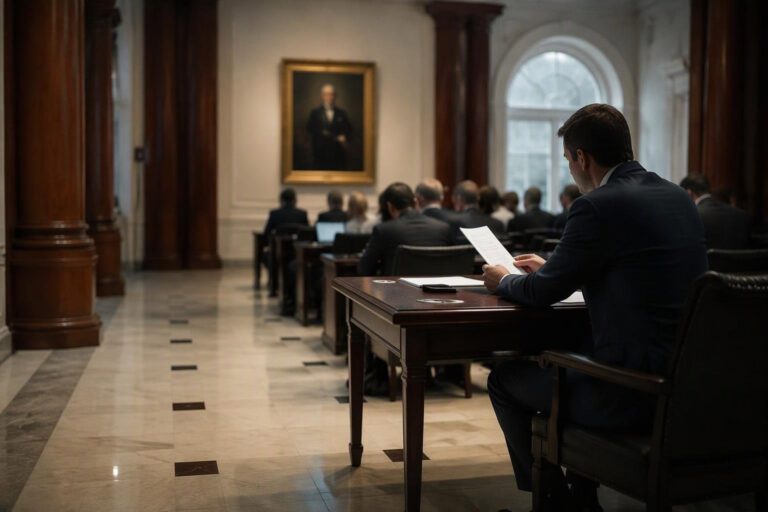
In a move that many constitutional scholars describe as a direct affront to the First Amendment —the provision guaranteeing freedom of speech and of the press—Donald Trump ordered the exclusion of several journalists from covering White House activities. The decree effectively silences certain media outlets, signaling a willingness to curtail the flow of information from the nation’s most powerful office. Critics argue that such bans erode the transparency essential to a functioning democracy and set a dangerous precedent for future administrations.
White House press briefing turned into a nap
The sleepy episode during the steel plant announcement added a surreal layer to the controversy. After invoking the nickname “Sleepy Joe Biden” for his predecessor, the president appeared to surrender to exhaustion, his head bobbing as aides continued speaking. Observers posted the footage with captions like “Commander in Sleep” and “Sleepy Donald Trump,” emphasizing the absurdity of a leader appearing disengaged while making policy pronouncements. The episode, while comedic on the surface, has been interpreted by analysts as indicative of a broader pattern of inattentiveness that may affect decision-making at the highest level.
Election season eyed by federal forces
Beyond the media crackdown, the administration has sparked alarmist speculation about the possible deployment of ICE agents and even federal troops to polling locations as the upcoming midterm elections draw near. Some insiders claim that contingency plans are being drafted to intervene in vote-counting processes, potentially igniting confrontations at state-run ballot sites. The rhetoric surrounding these alleged preparations fuels fears of a constitutional crisis, reminiscent of past moments when executive overreach threatened the integrity of the electoral system.
Legal experts also note that the beleaguered Justice Department is likely to pursue another contested policy, hoping to force the issue before the Supreme Court. Historically, the Court has rebuffed similar attempts, but the president’s track record of sidestepping judicial rulings—such as maintaining tariffs despite a court injunction—suggests a willingness to test the limits of institutional checks. If the midterms proceed under this cloud of intimidation, the resulting Congress may find itself tasked with reining in a president who appears intent on reshaping the balance of power.
Historians warn that when democratic institutions are repeatedly undermined, societies often experience a painful reckoning. The current trajectory—characterized by media bans, public mockery of presidential conduct, and the specter of armed interference—could become a case study for future civics students examining how a once-vibrant republic might falter. Whether the nation can restore its foundational principles before the next election remains an open—and urgent—question.
