

A culinary tour of Scotland’s elite fine‑dining rooms, green‑star eateries and beloved traditional fare.
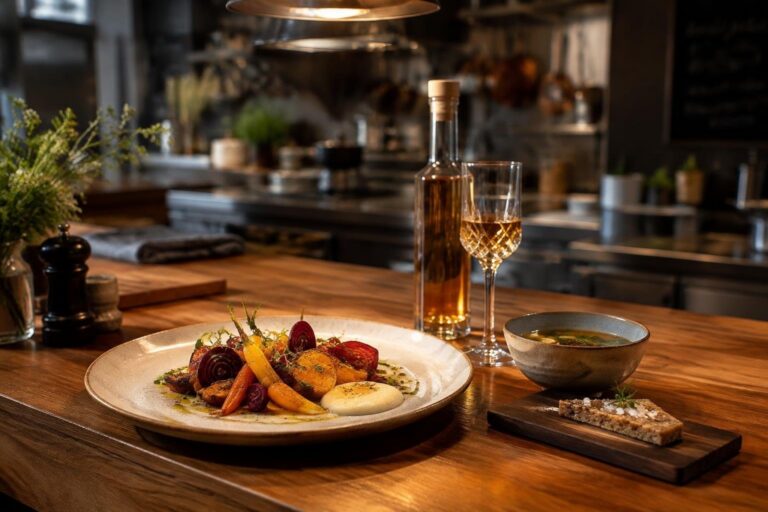
Scotland’s gastronomic landscape has evolved into a vibrant tapestry where world-class Michelin-starred venues sit side by side with inventive vegetarian restaurants and time-honoured classics. From the misty shores of the Isle of Skye to the bustling streets of Glasgow, diners can trace a line from luxurious tasting menus to hearty dishes rooted in centuries-old farming traditions.
This guide walks you through the most celebrated establishments, highlights the best plant-based spots, and outlines the iconic foods that every visitor should try.
Michelin-starred fine dining across Scotland
At the summit of Scottish gastronomy stands the Gleneagles Hotel in Perthshire, where the discreet Andrew Fairlie restaurant offers a marriage of French technique and Scottish terroir.
Signature creations such as a five-hour smoked lobster served on whisky-infused chips exemplify the chef’s commitment to local flavour, while the private entrance adds an air of exclusivity. Further north, the Glenturret Lalique Restaurant occupies Scotland’s oldest working distillery, delivering a multi-course tasting menu crafted by Michelin-star chef Mark Donald.
The setting—overlooking historic still houses and the River Turret—enhances each course’s narrative of land and spirit.
Wester Ross’s luxury estate, The Torridon hosts a three-AA-Rosette restaurant where dishes are built on ingredients harvested from the estate’s own farm and kitchen garden. The result is a series of vibrant plates that celebrate the rugged western landscape. In Edinburgh, the freshly minted Michelin-starred Avery (2025) brings American chef Rodney Wages’s bold flair to a Georgian townhouse in Stockbridge, pairing Scottish produce with contemporary techniques. Just a short walk away, Lyla (also 2025) focuses on line-caught fish and sustainable shellfish, presenting a ten-course sea-centric experience while overlooking the Firth of Forth.
Long-standing institutions continue to uphold their reputation. The Kitchin in Edinburgh has retained its star since 2007, championing a “from nature to plate” philosophy that reinterprets classic Scottish recipes with modern twists. Similarly, Restaurant Martin Wishart awarded a star in 2001, blends French elegance with Scottish ingredients on the Shore of Leith, offering diners a view of the Water of Leith as they savour meticulously plated courses.
Vegetarian and vegan gems worth a detour
Scotland’s plant-based scene has blossomed into a network of venues that prove vegetables can sing as loudly as meat. In Glasgow, Sylvan delights guests with inventive small plates—think harissa-spiced carrots with mint and a mezcal-kissed chocolate-pear dessert—paired with a thoughtful wine list and creative cocktails. Edinburgh’s historic Hendersons founded in 1962, has evolved from a basement eatery to a modern space on Barclay Place, now serving a hearty Sunday roast centred on seitan and a vibrant menu that reflects contemporary vegetarian cooking.
For a garden-to-plate experience, the Cambo Gardens Café occupies the former stable block of Cambo House. Chef Gillian Veal draws directly from the walled garden, offering soups, cheese scones and sandwiches that celebrate produce grown on site. Edinburgh’s food-truck sensation Planet G—joint winners of the Scottish Street Food Awards (2024) and the Spice Award at the British Street Food Awards—brings vegan delights to markets across the city, including a memorable plant-based tiramisu crafted by MasterChef: The Professionals finalist Gemma Costa.
In Fife, Five Acres runs a seed-to-plate canteen that showcases seasonal bounty from the East Neuk Market Garden. Dishes such as beetroot antipasto with tofu, roasted potatoes with rosemary-infused Parmesan, and a smoky aubergine-butterbean stew illustrate the kitchen’s commitment to local, sustainable agriculture while keeping the palate intrigued.
Traditional Scottish dishes you shouldn’t miss
Beyond the restaurant scene, Scotland’s culinary identity is anchored in a handful of time-tested dishes. The national staple, haggis blends minced meat, oatmeal, onions, salt and spices, traditionally accompanied by neeps (turnips) and tatties (potatoes). Hearty soups like Scotch broth—a barley, root-vegetable and lamb medley—and cock-a-leekie a chicken-leek stew thickened with barley or rice, still warm many a cold evening.
Seafood, a cornerstone of coastal cuisine, shines in items such as Arbroath Smokies hot-smoked haddock that attains a copper hue, and Cullen Skink a creamy potato-laden soup featuring the same smoked fish. Fresh Atlantic salmon and wild trout appear on menus from the Highlands to the islands, while shellfish like langoustines, lobsters and oysters are celebrated in both fine-dining and humble fish-and-chips shacks.
Desserts carry a sweet legacy: cranachan layers raspberries, toasted oats, honey and whisky-infused cream; the steamed fruit pudding clootie dumpling haunts Burns Night celebrations; and the buttery shortbread remains a universal symbol of Scottish baking. For those craving an indulgent treat, tablet—a dense caramel-like confection of sugar, condensed milk and butter—offers a melt-in-the-mouth finish.
Together, these culinary pillars—high-end tasting rooms, vibrant veg-focused eateries, and enduring traditional fare—paint a comprehensive picture of Scotland’s food culture. Whether you’re counting stars on a plate, seeking innovative plant-based flavors, or tasting the heritage that has fed generations, the Scottish table promises an unforgettable experience.
