Sir Keir Starmer tells Labour MPs the referral is a political stunt as scrutiny mounts over Lord Mandelson's Washington ambassadorship
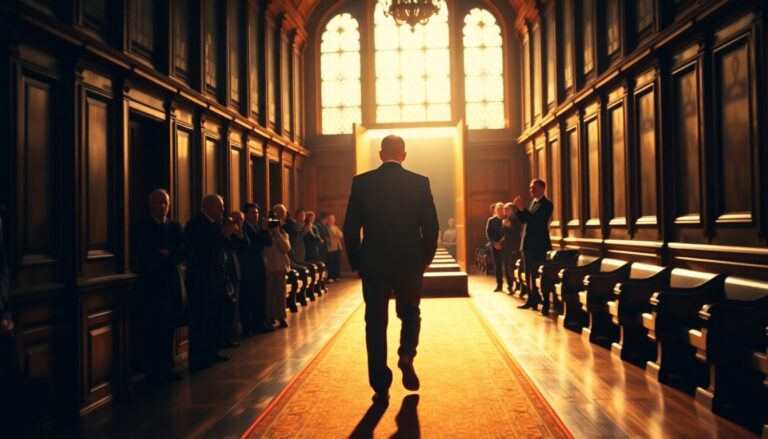
The Commons is poised to vote on whether the Prime Minister should be referred to the Privileges Committee to examine claims he misled MPs about the handling of Lord Mandelson’s appointment as ambassador to the United States. The Speaker, Sir Lindsay Hoyle, allowed the vote after requests from Conservative figures including Kemi Badenoch, triggering a tense moment for the Labour leadership.
The episode has brought into focus questions about the interplay between ministers, senior civil servants and security vetting agencies during high-profile appointments, and the parliamentary processes that investigate alleged breaches of honesty to the House.
Sir Keir travelled to a packed meeting of the Parliamentary Labour Party to press colleagues to oppose the referral, describing the move as a political manoeuvre timed before the May 7 elections.
He emphasised his commitment to transparency and asked MPs to present a united front, arguing that the motion was intended to distract from Labour’s message. Senior figures in the party, including former prime minister Gordon Brown, publicly urged MPs to back the leader and concentrate on government priorities, while other voices outside Labour demanded a freer path for scrutiny.
What the government has published and the civil service response
The Government published a letter from former cabinet secretary Sir Chris Wormald, dated September 16, in which he concluded that the “appropriate processes were followed” both in the appointment and in the subsequent dismissal of Lord Mandelson. Sir Chris added that he would keep the matter under review should new evidence appear. At the same time Downing Street confirmed it is engaging with two parliamentary procedures: evidence sessions before the Foreign Affairs Committee and compliance with a Commons motion requiring further documents to be disclosed to MPs.
Documents, security files and parliamentary routes
Chief Secretary to the Prime Minister Darren Jones told MPs that more than 300 files were being handed to Parliament’s Intelligence and Security Committee, with officials judging many documents would be prejudicial to national security or international relations. The material was said to include items relevant to Lord Mandelson’s vetting for the Washington posting. Downing Street framed the timing of the Commons vote as politically driven, but ministers also maintained that formal channels of scrutiny are being used to address concerns about the appointment and the clearance process.
Evidence from officials and the vetting timeline
The vetting process itself has become a central focus. The former top civil servant Sir Olly Robbins testified that his office and the Foreign Secretary’s office were under “constant pressure” about the appointment in January 2026, a claim that sits uneasily with the Prime Minister’s statements that no specific pressure affected the case. Foreign Office official Ian Collard, who briefed Sir Olly on the security checks, set out in a letter that he had “felt pressure to deliver a rapid outcome” and referred to regular contact from No 10 to the permanent under-secretary’s office. Collard said he did not personally speak to Downing Street colleagues and did not believe the pressure changed the professional judgment made by him or his team.
How vetting agencies and ministers described the candidate
The UK Security Vetting agency reportedly raised red flags about Lord Mandelson and described him as of “high concern,” recommending that clearance be denied. Sir Olly, however, said he was told the case was judged borderline by security experts and that mitigations could be applied, which led to the granting of developed vetting status with conditions. Those conflicting characterisations of risk have fuelled demands for clarity about who saw or approved which documents and whether ministers were fully informed of the security advice before the appointment proceeded.
Witnesses and wider political consequences
The Foreign Affairs Committee is due to hear from several senior figures, including Sir Philip Barton and the Prime Minister’s former chief of staff Morgan McSweeney, who resigned in February after involvement in the appointment process. The Privileges Committee itself has precedent: it investigated Boris Johnson over “partygate” and its findings precipitated his departure from frontline politics after he quit as an MP in 2026. Political opponents, including Conservative leader Kemi Badenoch and Reform UK voices, insist the matter merits formal investigation and have accused the Prime Minister of misleading the House.
Meanwhile Liberal Democrat leader Sir Ed Davey argued for a free vote for Labour MPs on whether to refer the Prime Minister, pointing out that scrutiny should be applied equally. Commentators have also linked the outcome politically to the local and devolved polls on May 7, suggesting the vote could influence perceptions of the Government’s accountability. Whatever the Commons decides, the immediate weeks will see further evidence sessions and document disclosures as Parliament seeks to reconcile competing accounts of the vetting process and determine whether misconduct in relation to Parliament occurred.
Conclusion
The coming days will test Labour’s internal cohesion and the reach of parliamentary oversight. With multiple committees engaged, witness statements from senior civil servants and a substantial trove of documents under review, MPs will need to balance questions of national security with demands for transparency. The vote on the floor of the Commons will decide if the Privileges Committee examines whether the Prime Minister misled Parliament, but the episode has already underscored the fragility of ministerial communications and the weight of security advice in sensitive diplomatic appointments.