Arsenal arrive in Madrid for the Champions League semi-final first leg with optimism, a press conference hiccup and a clear sense of what is at stake
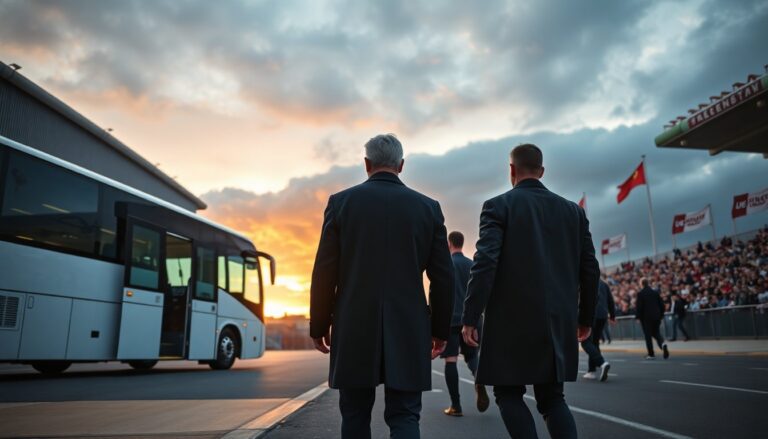
The champions league semi-final first leg between Atletico Madrid and Arsenal has arrived with all the colour and drama that comes with elite European football. The Gunners landed in Madrid under bright skies, although an official weather warning and talk of a storm kept the mood charged.
Manager Mikel Arteta spoke with the steady optimism that has become his hallmark this season, insisting that his side must bring confidence, desire and intent to the first leg. The trip to the Metropolitano offers Arsenal both a test and an opportunity: a chance to take a meaningful step toward a trophy they have never won.
What could have been only atmosphere became a talking point when Arteta made an on-stage slip about squad availability, briefly suggesting that defender Jurrien Timber might be fit. The gaffe was corrected soon after – Timber was not in the matchday squad – but the exchange underlined how small moments can take on oversized significance in a tie of this magnitude.
Arteta laughed it off and returned to a message of calm focus, emphasizing adaptation and preparation. The team leave London with clarity of mission even as the public narrative around Arsenal remains dominated by their domestic title chase.
Match context and build-up
Kick-off is scheduled for Wednesday, 29th April 2026, 21:00 at the Metropolitano, and the fixture carries extra narrative weight beyond a single night in Madrid. Arsenal have progressed to consecutive semi-finals and their Champions League run has largely flown under the mainstream radar because so much attention has surrounded their attempt to end a long Premier League drought. Yet this competition offers unique prestige: Arsenal have never lifted the European Cup/Champions League, and reaching a final would place them on one of club football’s largest stages. Arteta framed the tie as a special moment to be earned, insisting the squad must seize the opportunity with intent and dominance.
Teams, form and tactical edges
Atletico Madrid enter with a blend of experienced names and attacking threats. Veterans like Antoine Griezmann remain influential, while the likes of Julián Álvarez have supplied goals in recent European rounds. Observers have noted Atlético’s increased openness this season: they conceded a reported 15 goals in the group phase and other tallies suggest 26 goals conceded across 14 Champions League matches, figures that point to a less impenetrable backline than in Diego Simeone’s earlier, more defensive iterations. Nonetheless, Atletico’s tendency to take first-leg advantages and then weather pressure has been a hallmark of their route to the semis.
Arsenal’s defensive record and season focus
Arsenal have been praised for their organisation in Europe, and various reports highlight their stinginess in this season’s competition—some sources suggest they conceded as few as one goal while others record five in 12 games. Regardless of the exact number, the consistent fact is that Arteta’s side have been defensive and disciplined in knockout ties, negotiating past Bayer Leverkusen and Sporting Lisbon en route to the last four. Domestically, the team remain embroiled in a Premier League battle with Manchester City, and the interplay between league ambitions and European opportunity is shaping selection decisions, tactical priorities and the psychological narrative surrounding the squad.
How the tie could unfold
History between the clubs is limited but telling: Arsenal thrashed Atletico 4-0 in October, a Liverpool-style second-half outburst that highlighted what this Arsenal team can do on its day. Atletico’s route to this stage included dramatic moments such as their victory over Barcelona, where players like Ademola Lookman made decisive contributions. Arsenal scraped through a tense quarter-final against Sporting Lisbon on a 1-0 aggregate scoreline, demonstrating that tight, low-scoring ties can also be navigated with discipline. The tactical chess match will likely revolve around control of transitions, set-piece management and which side can impose its preferred tempo in a two-legged contest.
Stakes, possible opponents and final destination
Beyond the immediate tie, the winner in this semi-final will face either Paris Saint-Germain or Bayern Munich in the final at the Puskás Aréna in Budapest on May 30. That prospect adds context to every decision made over the coming weeks: squad rotation, injury management and psychological preparation are all filtered through the possibility of a one-off final in a neutral venue. For Arsenal, the Champions League trophy would carry historic significance that some argue rivals or even eclipses the domestic title, because the club has yet to claim Europe’s top prize and the single-match final carries the kind of unpredictability that can favour a confident, well-prepared challenger.
Final thoughts and key players to watch
On paper the tie promises a contrast of styles: Atletico’s evolution toward a more expansive approach facing Arsenal’s controlled possession game. Players like Griezmann, Álvarez, Gabriel Martinelli and Bukayo Saka will be central to how each team imposes itself. Arteta’s insistence that his players adapt to conditions and remain themselves after nine months of varied scenarios remains the clearest statement of intent: remain composed, control the narrative, and take the tie where possible. In matches of this magnitude, small details and moments of individual brilliance will decide who takes the advantage to London for the second leg.