A delicate pause in hostilities survives strikes and detentions as negotiators seek to reopen the Strait of Hormuz and broker a wider agreement
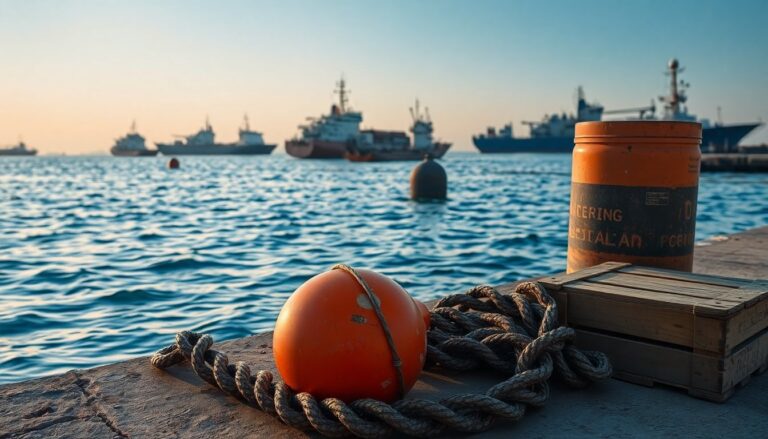
The region remains on edge as an uneasy ceasefire appeared to persist despite renewed confrontations at sea. In recent days the US military reported it had disabled two Iranian oil tankers that were attempting to circumvent an American blockade of Iranian ports, and also said it had repelled assaults on naval vessels while striking shore targets in the waterway.
These operations have compounded a pattern of maritime disruption that has hampered commercial traffic and raised costs across global energy markets. The cumulative effect has left shipping companies and governments weighing the risks of transiting the Strait of Hormuz, a chokepoint that carries a large share of the world’s oil shipments.
Alongside the naval incidents, authorities in the Gulf have taken security actions ashore. Officials in Bahrain, which hosts a major US naval base, announced the arrest of dozens of individuals they allege are linked to the Iranian Revolutionary Guard Corps.
The detentions were described as part of an ongoing probe, with more measures promised as investigations proceed. Human rights groups warn that governments in the region can use the broader conflict as justification for suppressing dissent, especially where sectarian tensions exist between ruling elites and majority populations. These dynamics complicate the security landscape and feed international concern about escalation.
Military maneuvers and maritime consequences
Naval exchanges and strikes have produced immediate operational effects on shipping. Video released by the US military showed strikes on tankers’ smokestacks and, in earlier incidents, damage to a vessel’s rudder when it allegedly tried to breach the blockade. Separately, reports surfaced of a cargo ship suffering a deadly strike that killed at least one crew member and wounded others, though the precise status of that vessel relative to the acknowledged strikes remained unclear. The combination of mine-laying, warning shots and direct fire has left hundreds of commercial vessels stranded or rerouting, creating logistical bottlenecks and pressuring insurers and owners to reassess routes through the Strait of Hormuz.
Economic fallout is mounting as constrained flows of oil and goods translate into tangible losses. Analysts note that while Gulf states possess substantial reserves, the inability to move product freely erodes revenues and raises the cost of maritime insurance and freight. For global markets, the disruption contributes to spikes in fuel prices and uncertainty for industries reliant on timely deliveries. The naval activity, therefore, is not only a tactical matter but also an economic lever that affects countries well beyond the immediate military actors.
Domestic security and political signals in the Gulf
Actions taken by Gulf governments reflect a blend of security, political theatre and regional posturing. In Bahrain, the arrests cited earlier highlight how states can frame internal enforcement measures within the context of the wider Iran-West confrontation. At the same time, statements from Iranian-associated figures have attempted to manage perceptions at home, addressing concerns about leadership visibility and public morale. Such remarks are often aimed at countering rumours and preserving the image of institutional continuity during periods of high international scrutiny.
Separately, Tehran has sought to formalize control over transit through the corridor, announcing new administrative structures to regulate movement and fees. These initiatives signal a desire to alter the status quo of the waterway, asserting a more permanent role in managing passage. Observers interpret such moves as strategic: by changing administrative or operational practices, Iran can increase leverage in negotiations aimed at lifting restrictions in exchange for concessions on its nuclear activities and wider security commitments.
Diplomacy, proposals and mediation
Despite the military flashpoints, diplomatic engagement has continued, with mediators and foreign ministries urging negotiation rather than escalation. The US has presented a package designed to end hostilities, reopen the Strait of Hormuz and seek limits on Tehran’s contested nuclear activities. Washington says it is awaiting a formal Iranian reply to that proposal. Iranian officials have indicated they are reviewing the offer and will relay their position through intermediaries. In parallel, concerned states and international actors have publicly called for sustained talks to reach a long-term settlement that would stabilize the region.
What negotiators are discussing
At the heart of the talks are reciprocal steps: guarantees for safe maritime transit in return for restraints on certain military and nuclear-related programmes. Proposals on the table include operational pauses, phased reopening of shipping lanes, and monitoring mechanisms to ensure compliance. These measures, if agreed and verified, could provide a pragmatic path toward restoring commerce while addressing security anxieties on all sides. However, negotiators face trust deficits, competing regional interests and the challenge of translating tactical pauses into durable arrangements.
The role of mediators
Third-party actors have stepped forward to broker discussions and to secure temporary confidence-building measures. Regional facilitators and international governments stress the need for a framework that balances immediate humanitarian and commercial protections with longer-term verification and de-escalation. Their involvement underscores a broader recognition: military action has immediate consequences, but sustainable stability depends on diplomacy that can convert a fragile pause into a reliable peace.
As events unfold, the situation remains volatile. Military incidents, arrests and administrative changes at sea continue to test the limits of the current pause. The coming days will likely show whether negotiations can produce actionable commitments that reopen the Strait of Hormuz to safe passage and reduce the risk of renewed, large-scale strikes. For now, governments, shippers and international institutions are watching closely, balancing contingency planning with hope that a negotiated outcome can prevent further escalation.