

Dive into the world of elite sports performance with LJMU's innovative MSc program, blending classical physiology with modern practical skills.
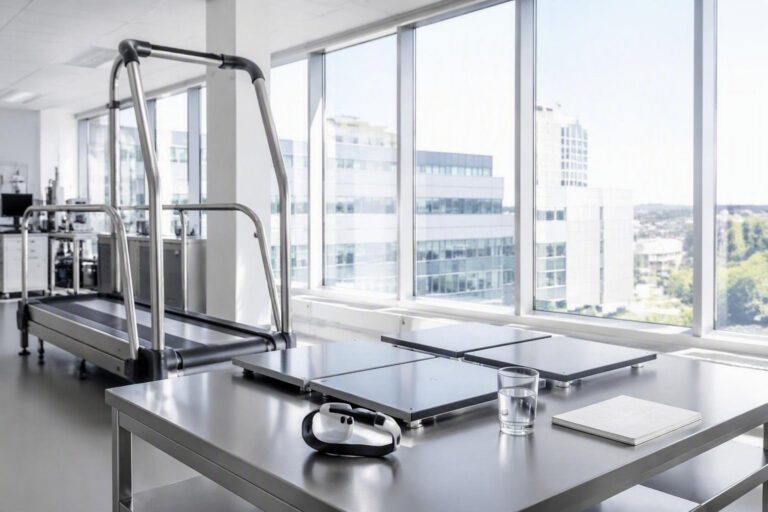
In the dynamic world of sports science, Liverpool John Moores University (LJMU) stands at the forefront with its MSc in Sport Physiology and Performance. This program is designed for those passionate about understanding and enhancing athletic performance through scientific rigor and practical application.
With a curriculum informed by world-class research and state-of-the-art facilities, LJMU offers an unparalleled educational experience.
The School of Sport and Exercise Sciences at LJMU is renowned for its excellence, ranking first in the North West and top 20 globally for Sports Science according to the QS World University Rankings 2026.
This program is ideal for individuals aiming to specialize in physiology-related studies at the doctoral level or pursue a professional career in exercise physiology.
The Curriculum: A Blend of Theory and Practice
The MSc program at LJMU is structured to provide a comprehensive understanding of physiology applied to sport and exercise contexts.
It goes beyond classical exercise physiology, equipping students with the skills, techniques, and critical thinking required to excel in sports performance. The curriculum is supported by a robust research infrastructure, with over 20 full-time academic staff and support staff contributing to the taught modules and research dissertation.
Students will gain extensive practical experience and academic development in fundamental scientific techniques, including research methods, statistical analysis, and scientific communication. The program includes a record of competency in physiological assessment, conference presentations, and hands-on experience in both laboratory and field settings.
Core Modules: Building Blocks of the Program
The program is composed of several core modules, each designed to provide a solid foundation in sport physiology and performance. These modules include:
Research Methods
This module focuses on quantitative research strategies, methods, and techniques. Students will develop expertise in handling and analyzing quantitative data, using various statistical approaches. The module aims to enhance critical analysis skills and proficiency in statistical analysis software, which are essential for postgraduate research.
Research Project
Students will undertake an independent research project, producing a piece of work in journal article format. This module emphasizes critical evaluation of concepts, methodologies, and literature underpinning the research. Students will learn to assimilate, integrate, and critically discuss research findings, justifying their research process.
Physiological Assessment
This module provides theoretical and practical training in exercise physiology measurements, evaluation, and reporting. Students will be prepared to apply this knowledge in professional laboratory and field-based settings.
Fundamental Sports Performance Physiology
Students will gain an integrative insight into the physiological mechanisms that maximize athletic performance. The module covers biochemical, hormonal, muscular, cardiovascular, and neural aspects, as well as physiological assessments and laboratory techniques used to monitor athlete performance and recovery.
Physiology for Endurance and Intermittent/Team Sports
These modules use a combination of lectures, practicals, and seminars to engage students in their learning. Concepts discussed in lectures are explored in the laboratory, with assessments in the form of written laboratory reports.
Professional Practice in Sport Physiology and Performance
This module prepares students for employment in applied sports science. Guided by the BASES competencies, students will develop an understanding of the working environment within sport science and the knowledge and behaviors required to be successful. The module focuses on self-evaluation, professional development, and real-world experiences.
Professional Body Recognition and Teaching Methods
LJMU is a member of ASET, the UK’s leading authority on work-based and placement learning. This membership reflects the university’s commitment to providing high-quality work-based learning experiences. The teaching methods primarily involve laboratory practicals and student-centered learning techniques, such as problem-based learning.
The program provides extensive practical experience in physiology laboratory tests and wet laboratory bench skills. Academic development is also provided in fundamental scientific techniques, including research methods, statistical analysis, and scientific communication.
Career Paths and Opportunities
graduates of the MSc in Sport Physiology and Performance at LJMU have excellent career prospects. Many choose to continue in education, research, or applied sports science, with a significant number pursuing Doctoral studies. Past graduates work as applied practitioners in sports science support programs with various professional sports clubs and national sport governing bodies. Other roles include strategic sport science officers and consultants in professional sport settings.
LJMU has an impressive employability record, with 97% of postgraduates in work or further study fifteen months after graduation (Graduate Outcomes Survey, 2026). The applied learning techniques and strong industry connections ensure that students are fully prepared for the workplace upon graduation.
Entry Requirements and Application Process
To apply for this program, candidates need a minimum 2:1 honors degree in sport science or a related discipline. Alternatively, relevant experience can be considered in lieu of formal qualifications. International students require an IELTS score of 6.5, with a minimum of 5.5 in each component.
The application process involves completing an LJMU online application form, providing details of previous qualifications, and submitting a personal statement outlining the reasons for pursuing this program.
For those interested in further academic pursuits, LJMU offers PhD or MPhil opportunities on a full-time or part-time basis. International students also have the option to study remotely. The Doctoral Academy at LJMU supports students throughout their academic journey, from the initial enquiry to successful completion.
